As the world accelerates its transition into a fully digitized society, the line between connectivity and vulnerability has become increasingly thin. For institutions and individuals across Ibero-America, the challenge is no longer just about adopting new tools, but about ensuring those tools do not compromise the fundamental right to privacy and security.
Addressing these critical tensions, the Universidad Católica de Salta (UCASAL) recently hosted the IV Encuentro Iberoamericano de Blockchain y Ciberseguridad 2026. Titled “Blockchain y Bienestar Digital” (Blockchain and Digital Wellbeing), the forum brought together a diverse assembly of academic leaders, technology experts, and public sector officials to analyze how emerging architectures can protect citizens and organizations in an era of pervasive data exposure.
The gathering, held on May 11, served as a strategic dialogue on the intersection of technological innovation and human wellbeing. Participants focused on the urgent need for collaborative solutions to mitigate the risks associated with data management and technological governance, emphasizing that the pursuit of efficiency must not come at the cost of digital safety.
Strengthening the Pillars of Digital Trust
At the heart of the discussions was the concept of “technological trust”—the confidence that digital systems will operate as intended without compromising user integrity. The forum identified several core areas where current systems are under pressure: digital identity, privacy, and overall computer security.
In a landscape where identity theft and data breaches are increasingly common, the experts at the UCASAL encounter highlighted the necessity of moving toward more resilient frameworks. Digital identity, in particular, was framed not just as a technical requirement for accessing services, but as a cornerstone of digital wellbeing. When an individual’s identity is insecure, their ability to interact safely with the state, the economy, and other citizens is fundamentally undermined.
The conversation shifted toward the role of governance, with specialists analyzing how the management of data affects the daily lives of people across the region. The consensus among the Ibero-American delegation was that the acceleration of technology must be matched by a corresponding acceleration in the development of protective measures and ethical oversight.
Blockchain as a Tool for Integrity and Traceability
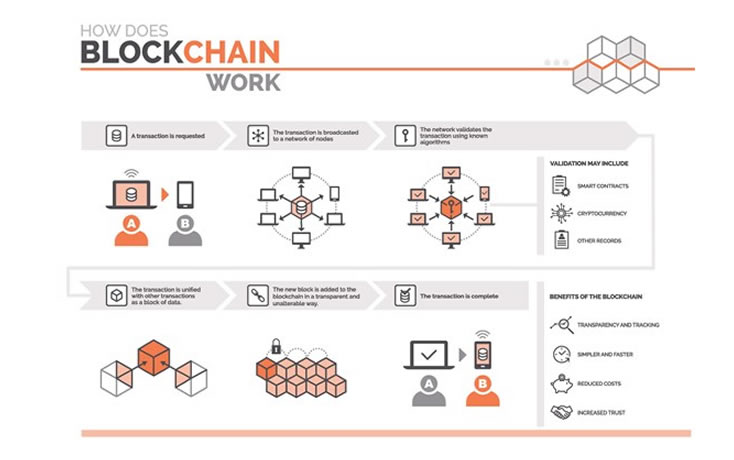
While often associated primarily with cryptocurrency, the forum emphasized the broader utility of blockchain as a strategic tool for systemic transparency. According to the discussions, blockchain serves as a critical mechanism for strengthening the integrity of information and enhancing traceability across various sectors.
From a technical perspective, blockchain’s value lies in its distributed ledger technology, which prevents the unauthorized alteration of records. This immutability is what allows for “information integrity,” ensuring that data remains accurate and untampered with from the moment of its creation. For those unfamiliar with the term, traceability refers to the ability to verify the entire history of a transaction or a piece of data, providing an audit trail that is essential for combating fraud and corruption.
By implementing these systems, the forum suggested that institutions can build more transparent and efficient operations. Whether applied to public records, supply chains, or identity verification, the goal is to reduce reliance on centralized points of failure and instead distribute trust across a verified network.
Fostering Interdisciplinary Collaboration
One of the most significant outcomes of the IV Encuentro Iberoamericano was the creation of a space for articulation between three distinct pillars: universities, public organisms, and the technology industry.
The event operated on the premise that no single entity can solve the challenges of cybersecurity in isolation. Academic institutions provide the theoretical research and talent pipeline; public bodies provide the regulatory framework and scale; and the industry provides the practical implementation and innovation. By promoting an interdisciplinary exchange, UCASAL aimed to foster “collaborative solutions” that are grounded in both technical feasibility and public interest.
This collaborative approach is particularly vital for the Ibero-American region, where digital transformation varies significantly between nations. Sharing experiences and diverse perspectives allows for the development of standards that are culturally and economically applicable across different borders, ensuring that “digital wellbeing” is an inclusive goal rather than a luxury for the most developed tech hubs.
Key Takeaways from the UCASAL Forum
- Digital Wellbeing: The focus of technological adoption is shifting from mere functionality to the holistic wellbeing and safety of the user.
- Blockchain Utility: Beyond finance, blockchain is being positioned as a primary tool for ensuring data integrity and transparency in public and private sectors.
- Identity Security: Strengthening digital identity is viewed as a prerequisite for maintaining trust in digital governance.
- Collaborative Governance: Effective cybersecurity requires a tripartite alliance between academia, government, and the private sector.
The Path Toward a Secure Digital Future
The conclusions drawn during the May 11 event underscore a pivotal shift in how Ibero-America views its digital evolution. The transition is moving away from a “growth at all costs” mentality toward a more measured approach that prioritizes the protection of the individual.

As blockchain continues to mature, its application in securing digital identities and ensuring the traceability of information will likely become a standard requirement for government services and corporate operations. The challenge remains in the implementation—translating the high-level discussions held at UCASAL into scalable, user-friendly systems that the general public can trust.
For professionals and policymakers, the message is clear: the integrity of information is the currency of the digital age. Without it, the benefits of connectivity are outweighed by the risks of exposure.
The university and its partners are expected to continue these dialogues as part of their ongoing commitment to digital innovation and security in the region. Further updates on the implementation of these collaborative frameworks are anticipated as the academic and public sectors begin to integrate the forum’s findings into policy and practice.
Do you believe blockchain is the definitive answer to digital identity theft, or is it just one piece of a larger puzzle? Share your thoughts in the comments below or join the conversation on our social channels.