Ensuring a steady and safe supply of blood and blood-derived products is a cornerstone of modern healthcare systems. In Germany, the oversight of these critical biological materials falls under the rigorous standards of the Paul-Ehrlich-Institut (PEI), the federal institute responsible for vaccines and biomedicines. The reporting on the procurement and consumption of blood, blood components, and hematopoietic stem cells provides a vital window into the health infrastructure’s capacity to handle everything from emergency trauma to complex cancer treatments.
The Paul-Ehrlich-Institut report on blood and blood product supply highlights the intricate logistics involved in transforming a donor’s contribution into a life-saving medical intervention. From the initial collection of whole blood to the sophisticated separation of components—such as plasma, platelets, and red blood cells—each step is governed by strict regulatory frameworks to ensure patient safety and product efficacy.
Beyond standard blood components, the report emphasizes the role of hematopoietic stem cells. These specialized cells are essential for regenerating the blood-forming system in patients whose bone marrow has been destroyed by disease or high-dose chemotherapy. Because these cells are rare and highly specific, their procurement and processing require a level of precision and oversight that only a national regulatory body can provide.
As we analyze the current landscape of blood supply and stem cell therapy, it becomes clear that the stability of these resources is not merely a matter of logistics, but a matter of public health security. The data collected by the PEI allows health authorities to identify trends in donor behavior, consumption patterns in hospitals, and the evolving needs of patients requiring advanced cellular therapies.
Understanding the Role of Hematopoietic Stem Cells
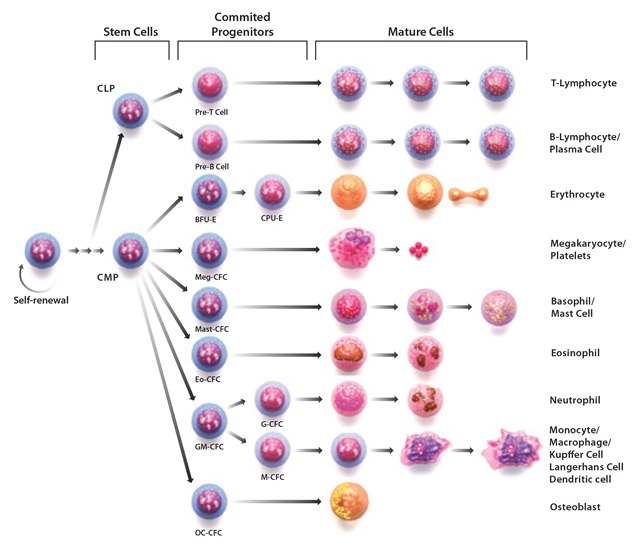
To understand the significance of the PEI’s monitoring, one must first understand the biological importance of hematopoietic stem cells. These are the “mother cells” of the blood system, capable of self-renewal and differentiation into all specialized blood cells. According to Wikipedia’s entry on hematopoiesis, this process of blood formation is essential because many blood cells have a limited lifespan—erythrocytes (red blood cells) typically last 30 to 120 days, while platelets (thrombozyten) last only 3 to 10 days.
Because of this constant turnover, the human body must produce billions of mature blood cells daily. In adults, this process primarily occurs in the bone marrow of the hips, ribs, vertebrae, and legs as detailed by Vita 34. When this system fails due to leukemia or other blood disorders, the transplantation of healthy hematopoietic stem cells becomes a critical, often life-saving, intervention.
The Paul-Ehrlich-Institut monitors how these stem cells are sourced. They can be harvested from three primary locations: the blood circulation, the bone marrow, or umbilical cord blood according to the PEI’s own guidelines. These preparations are then either used fresh or cryopreserved at temperatures below -140°C to maintain viability for future use.
Autologous vs. Allogeneic Transplants
The reporting distinguishes between two primary types of stem cell preparations used in clinical settings:
- Autologous Transplants: These involve the use of the patient’s own stem cells. For example, in certain cancer treatments, stem cells are collected and stored before the patient undergoes high-dose chemotherapy or radiation. Once the treatment is complete, the cells are re-infused to stimulate blood formation per Vita 34.
- Allogeneic Transplants: These involve stem cells obtained from a donor. This is the standard approach for treating many types of leukemia and other hematopoietic disorders where the patient’s own marrow is diseased.
The Regulatory Framework of Blood Procurement
The procurement of blood and its components is not a simple collection process but a highly regulated pharmaceutical operation. The PEI ensures that every unit of blood and every stem cell preparation meets stringent quality and safety standards. This includes the monitoring of “blood components,” which are the individual parts of whole blood—such as red blood cells for oxygen transport, platelets for wound closure, and white blood cells for immune defense as noted by the PEI.
The reporting on the “production and consumption” of these materials allows the German government to assess whether the supply meets the demand of the healthcare system. This data is critical for planning donor recruitment campaigns and optimizing the distribution of blood products across different regions to prevent shortages during crises.
Key Components Monitored by the PEI
| Component | Primary Function | Sourcing Method |
|---|---|---|
| Erythrocytes | Oxygen transport | Whole blood donation/separation |
| Thrombozyten | Wound closure/clotting | Platelet apheresis/separation |
| Leukocytes | Immune defense | Whole blood/separation |
| Hematopoietic Stem Cells | Blood system regeneration | Bone marrow, blood, or cord blood |
Why This Data Matters for Public Health
The systematic recording of blood and stem cell data serves several purposes beyond mere bookkeeping. First, it provides a baseline for “medical innovation.” By tracking the use of specialized stem cell preparations—such as those that are CD3/CD19 depleted or CD34 enriched—the PEI can monitor the adoption of advanced therapies in treating blood cancers according to official PEI listings.

Second, it ensures accountability in the supply chain. Because blood products are biological medicines, they are subject to strict “batch” tracking. If a contamination or reaction occurs, the PEI’s data allows for rapid traceability from the patient back to the donor or the processing facility.
Finally, the reports highlight the necessity of voluntary donation. Since there is no synthetic substitute for human blood or stem cells, the entire system relies on the altruism of donors. The consumption data helps health authorities determine if the current donor base is sufficient to support the growing needs of an aging population and the increasing complexity of hematological treatments.
Frequently Asked Questions
What is the difference between blood components and blood products?
Blood components are the various parts of whole blood (like red cells or plasma) separated through centrifugation. Blood products are often those components that have been further processed, treated, or combined to create a specific therapeutic effect.
How are hematopoietic stem cells stored?
According to the Paul-Ehrlich-Institut, these cells are typically kept in an anticoagulant solution and can be cryopreserved at temperatures below -140°C for long-term storage per PEI documentation.
Why is the PEI responsible for this monitoring?
The PEI is the federal authority in Germany tasked with the safety and efficacy of biomedicines. Since blood and stem cells are used as therapeutic agents, they fall under the institute’s regulatory mandate to protect patient safety.
The continued monitoring of blood and blood product supply remains a priority for the Paul-Ehrlich-Institut. Future reports will likely continue to track the shift toward more personalized, cell-based therapies and the evolving demographics of the donor pool. For the most current data and official filings, healthcare providers and researchers are encouraged to consult the GovData portal and the official Paul-Ehrlich-Institut publications.
Do you have questions about blood donation or stem cell therapy? Share your thoughts in the comments below or share this article with your network to raise awareness about the importance of blood supply.