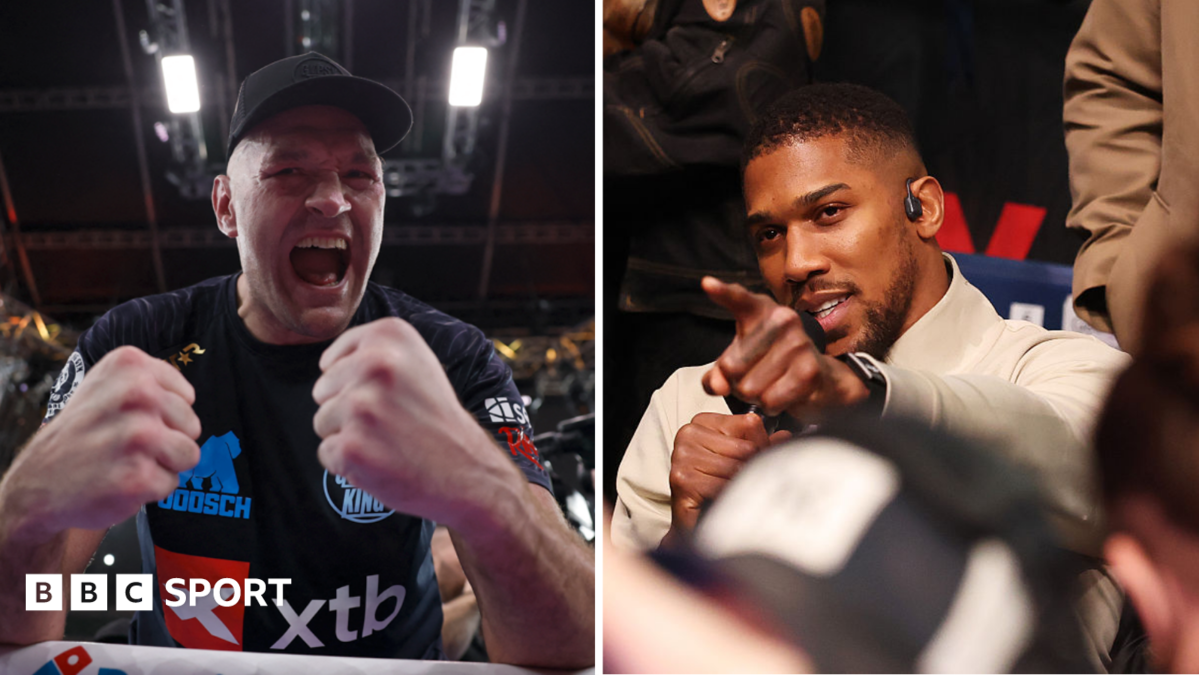
A potential heavyweight showdown between Tyson Fury and Anthony Joshua at Wembley Stadium could be staged in the early hours of the morning to accommodate a global television audience, according to recent reports. While both camps have engaged in long-standing negotiations regarding a fight of this magnitude, the logistical shift to an overnight start time reflects the increasing influence of international broadcasting schedules on major British sporting events.
As a sports editor who has followed the heavyweight division for over a decade, I understand the complexities involved in scheduling a bout of this scale. Wembley Stadium, which has a capacity of 90,000 for major events, represents the pinnacle of British boxing venues, but hosting an overnight card would be a significant departure from traditional UK fight nights, which typically conclude before midnight to comply with local council licensing and public transport limitations.
Logistical Challenges of an Overnight Bout
The primary driver for an overnight start is the lucrative United States pay-per-view market. By hosting the main event during the early hours of the morning in London, promoters can ensure the fight takes place during prime time in North America. This strategy is common in Las Vegas, where fights often start late to capture the East Coast audience, but it remains rare for outdoor stadium events in the United Kingdom.

According to the Brent Council licensing guidelines, which govern operations at Wembley, any event extending into the early hours requires specific variations to existing premises licenses, particularly concerning noise pollution and crowd dispersal in residential areas. Organizers would need to secure permission to operate well beyond the standard curfew, a process that involves public consultation and potential scrutiny from local authorities.
The Fury-Joshua Narrative in Context
Tyson Fury and Anthony Joshua have been linked to a “Battle of Britain” for several years, a matchup that remains one of the most anticipated events in modern boxing history. The two fighters, both former world champions, represent the pinnacle of the heavyweight division’s commercial draw. Their potential meeting would likely surpass the attendance records set by their previous stadium appearances, such as Joshua’s 2017 victory over Wladimir Klitschko at Wembley, which drew an official crowd of 90,000 spectators as confirmed by records from the British Boxing Board of Control.
The financial stakes are equally significant. A fight of this profile is expected to generate hundreds of millions of dollars in global revenue. The decision to hold the event overnight is not merely a scheduling preference but a calculated commercial decision to maximize the reach of the broadcast. In previous years, major promoters have successfully lobbied for late-night finishes, though rarely for an event of this specific scale in a public stadium.
What Happens Next for the Heavyweight Division
While the prospect of an overnight Wembley fight generates intense speculation, no official date or contracts have been confirmed by either fighter’s promotional team. The heavyweight landscape remains fluid, with mandatory challengers and sanctioning body requirements often dictating the path to a title fight. Fans looking for definitive updates should monitor announcements from the British Boxing Board of Control, which oversees professional boxing in the UK, or official statements from the respective promotional companies involved.

The next confirmed checkpoint for the division involves the outcome of upcoming scheduled bouts, which will determine the status of various world titles. Until a formal agreement is signed and a venue license is granted, the logistics of a potential Fury-Joshua clash will remain in the planning phase. We will continue to track these developments as they emerge. If you have thoughts on whether an overnight fight would change the atmosphere of a stadium event, feel free to share your perspective in the comments below.