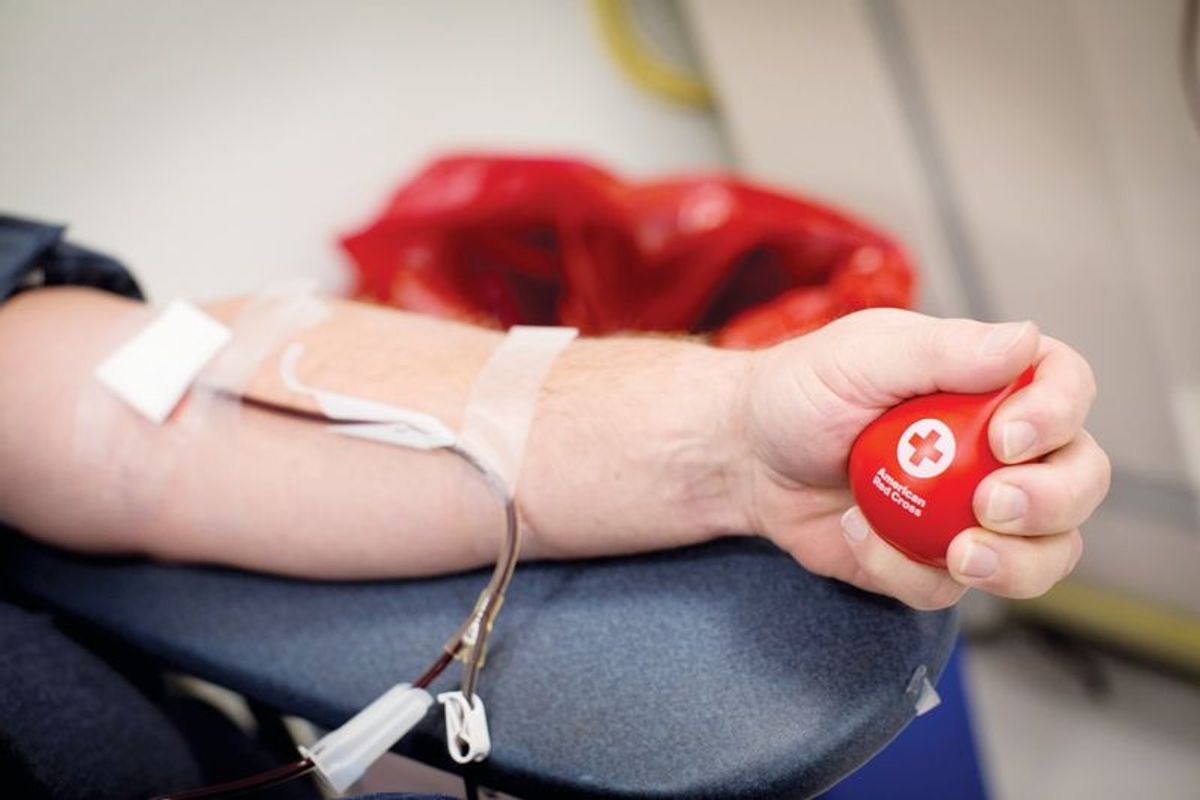
The act of blood donation remains one of the most vital contributions a citizen can make to the public health infrastructure. Organizations such as the Amicale des donneurs de sang bénévole de la Haute-Galaure play a critical role in sustaining this ecosystem by coordinating local efforts and fostering a culture of altruism. By facilitating connections between potential donors and the national blood collection framework, these associations ensure that hospitals maintain the necessary supply of blood, plasma, and platelets required for routine surgeries, emergency care, and the treatment of chronic conditions.
In France, the integrity of the blood supply is managed under the strict oversight of the Établissement français du sang (EFS), the sole national blood transfusion operator. The EFS is responsible for the entire collection, processing, and distribution chain, ensuring that every unit of blood meets rigorous safety standards before it reaches a patient. Local associations like the one in Haute-Galaure serve as the essential interface between the EFS and the community, raising awareness about the constant need for donations and organizing localized events that make it easier for donors to contribute.
The Essential Role of Local Donor Associations
The mission of a donneurs de sang bénévole (volunteer blood donor) association is multifaceted. Beyond the logistical task of organizing collection drives, these groups are tasked with the vital work of public sensitization. Many potential donors remain unaware that blood components have a limited shelf life—for instance, red blood cells typically have a storage limit of 42 days, while platelets must be used within just seven days. Because these resources cannot be manufactured, the consistent, voluntary participation of the public is the only way to prevent shortages.

By hosting events in local town halls or community centers, these associations reduce the barriers to entry for first-time donors. They provide a comfortable, familiar environment that demystifies the medical process. When a community sees its neighbors taking the lead in organizing these drives, it often fosters a sense of collective responsibility. This grassroots advocacy is a primary driver in maintaining the national blood supply levels, which the EFS monitors daily to ensure that regional needs are met across the country.
Understanding the Components of Your Donation
When an individual visits a collection site, the medical team typically assesses their eligibility based on strict health criteria, including age, weight, and recent travel or medical history. Once cleared, the donation process itself is highly efficient. While many donors think only of whole blood, the World Health Organization notes that modern medicine often requires specific components, such as plasma or platelets, which are separated from the whole blood after collection through a process called apheresis.
Plasma, the liquid portion of the blood, is rich in proteins and antibodies and is frequently used to treat patients with clotting disorders or immune deficiencies. Platelets are essential for patients undergoing cancer treatments or organ transplants, where the body’s natural ability to clot is compromised. By supporting associations that coordinate these specific types of collections, donors can contribute to more targeted medical interventions, effectively maximizing the impact of their single visit to a collection center.
Commitment to Public Health and Safety
The collaboration between local volunteer groups and the EFS is built on a foundation of safety, and transparency. Every donor is subject to a pre-donation medical interview to ensure both the safety of the donor and the recipient. This interview is a standard procedure designed to identify any potential risks, such as recent infections or medication use that might affect the quality of the blood product. These protocols are part of a broader European framework aimed at ensuring the highest possible standards for transfusion safety, as outlined by the European Directorate for the Quality of Medicines & HealthCare.
For those interested in getting involved, the process is straightforward. Organizations like the Amicale des donneurs de sang bénévole de la Haute-Galaure typically maintain updated schedules of upcoming collection events. Prospective donors are encouraged to consult the official EFS website, where they can search for collection sites by location, check their eligibility via a quick online questionnaire, and schedule an appointment to reduce wait times.
How You Can Contribute
Contributing to the blood supply is not a one-time event but a commitment to the ongoing health of the community. Regular donors are the backbone of the system. If you are considering your first donation, here are a few things to keep in mind:

- Hydration and Nutrition: Always drink plenty of water and eat a healthy meal before your appointment.
- Identification: Bring a valid form of photo identification, as it is required at all official EFS collection sites.
- Consistency: If you are eligible, consider becoming a repeat donor. The EFS provides guidelines on the minimum interval between donations to ensure your body has sufficient time to replenish its iron levels and blood volume.
- Community Outreach: If you are unable to donate due to medical reasons, you can still support the cause by volunteering at local association events or helping to spread the word about upcoming drives.
The health of our medical system depends on the simple, selfless act of giving blood. By engaging with local volunteer associations, you are not just providing a biological resource; you are participating in a sophisticated, life-saving network that protects the most vulnerable members of society. For the latest updates on regional collection drives or to find a donation center near you, please visit the official Établissement français du sang portal. We invite our readers to share their experiences with local donor associations or ask questions about the donation process in the comments section below.