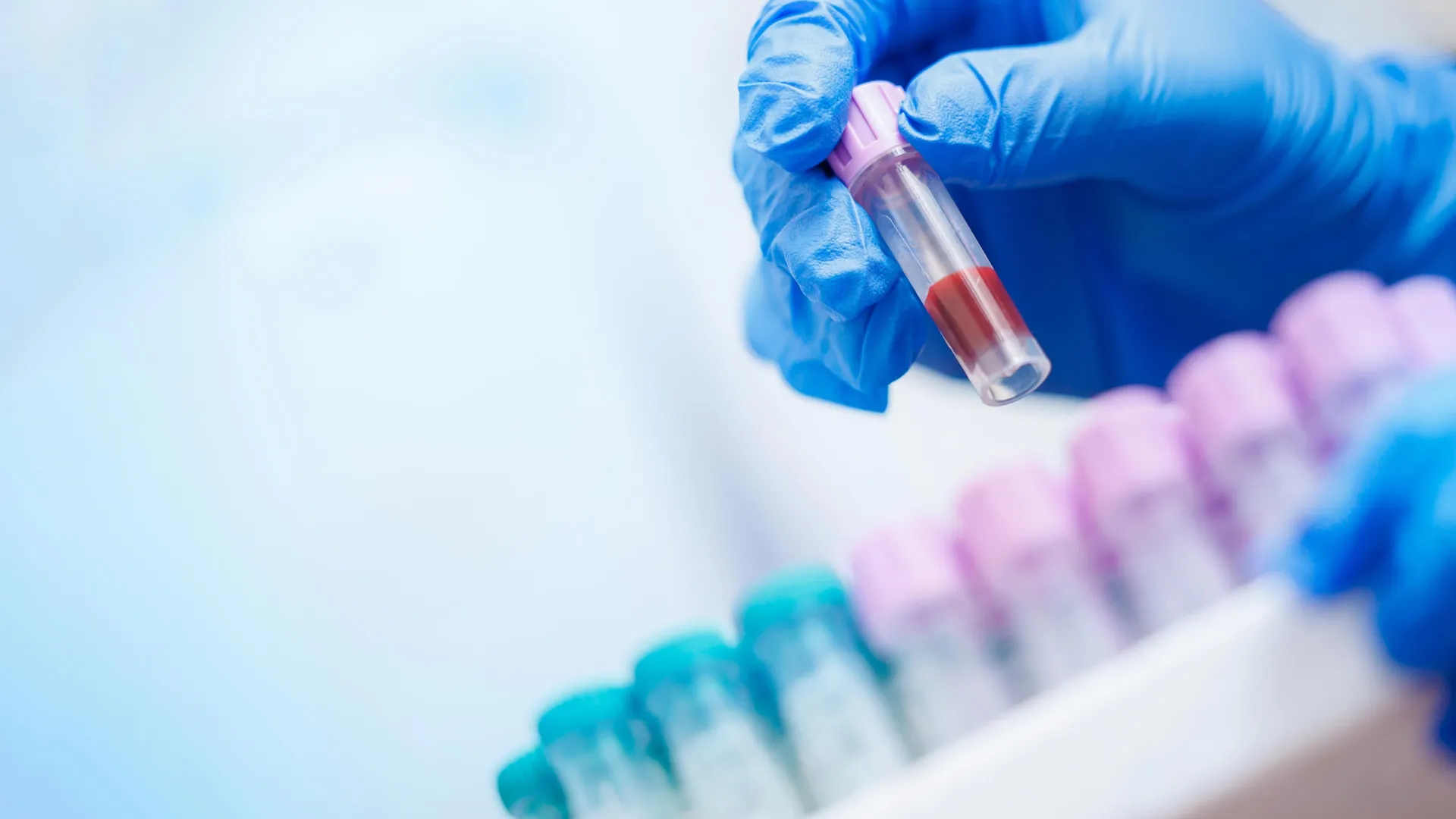
AI-Powered Blood Tests Show Promise in Predicting Spinal Cord Injury Outcomes
Berlin, Germany – A new study is offering hope for improved prognosis and treatment strategies for individuals suffering from spinal cord injuries. Researchers at the University of Waterloo have demonstrated that artificial intelligence (AI) analysis of routine blood tests can accurately predict the severity of injury and even the risk of mortality, potentially offering a faster and more accessible method of assessment than current neurological evaluations. This breakthrough, published in NPJ Digital Medicine, leverages the wealth of data already collected in hospitals, transforming standard bloodwork into a powerful diagnostic tool.
Spinal cord injuries represent a significant global health challenge. According to the World Health Organization, approximately 20 million people worldwide live with a spinal cord injury, with around 930,000 new cases occurring each year. The WHO estimates that these injuries often require intensive care and present complex clinical challenges, making accurate and timely diagnosis crucial. The variability in how injuries present and progress complicates prognosis, particularly in the critical early stages following trauma.
The research team, led by Dr. Abel Torres Espín, a professor in Waterloo’s School of Public Health Sciences, analyzed data from over 2,600 patients in the United States. They employed machine learning algorithms to identify patterns within common blood measurements – including electrolytes and immune cell counts – taken during the first three weeks after a spinal cord injury. The study’s findings suggest that these patterns can forecast recovery trajectories and injury severity with a degree of accuracy comparable to, and sometimes exceeding, traditional neurological assessments.
The Power of Trajectory Analysis
Traditionally, assessing the severity of a spinal cord injury relies heavily on neurological examinations, which evaluate motor and sensory function. Though, these assessments can be subjective and are often limited by a patient’s responsiveness, especially in the immediate aftermath of an injury. The University of Waterloo study offers a complementary approach, focusing on the dynamic changes observed in routine blood tests over time.
“While a single biomarker measured at a single time point can have predictive power, the broader story lies in multiple biomarkers and the changes they show over time,” explained Dr. Marzieh Mussavi Rizi, a postdoctoral scholar in Dr. Torres Espín’s lab. This “trajectory analysis” allows for a more nuanced understanding of a patient’s condition, revealing subtle indicators that might be missed by a single snapshot assessment. The models developed by the researchers were able to predict mortality and injury severity as early as one to three days after hospital admission, often outperforming standard non-specific severity measures used in intensive care units.
The advantage of this approach lies in the accessibility and affordability of routine blood tests. Unlike more sophisticated imaging techniques like MRI or fluid omics-based biomarkers, which can be costly and not universally available, blood tests are a standard component of care in virtually every hospital setting. As highlighted by the University of Waterloo, this makes the AI-powered analysis a potentially transformative tool for resource-constrained healthcare systems.
How AI Unlocks Hidden Insights
The study utilized advanced analytics and machine learning, a branch of artificial intelligence, to sift through millions of data points from patient blood samples. Machine learning algorithms are designed to identify complex patterns and relationships within data that might be imperceptible to the human eye. In this case, the algorithms were able to correlate specific changes in blood markers with different levels of injury severity and patient outcomes.
The researchers focused on readily available blood measurements, such as levels of electrolytes (sodium, potassium, chloride) and various types of immune cells. By analyzing how these measurements changed over time, the AI models could predict whether an injury was “motor complete” (resulting in a complete loss of movement and sensation below the injury site) or “motor incomplete” (where some degree of motor or sensory function remains). The accuracy of these predictions increased as more blood tests became available, demonstrating the importance of longitudinal data collection.
Implications for Clinical Practice
The potential implications of this research are far-reaching. Accurate early prediction of injury severity can inform critical clinical decisions, such as the allocation of resources, the selection of appropriate treatment strategies, and the setting of realistic patient expectations. For example, identifying patients at high risk of mortality early on could prompt more aggressive interventions, while accurately assessing the degree of injury can guide rehabilitation planning.
“Prediction of injury severity in the first days is clinically relevant for decision-making, yet We see a challenging task through neurological assessment alone,” Dr. Torres Espín stated. “We show the potential to predict whether an injury is motor complete or incomplete with routine blood data early after injury, and an increase in prediction performance as time progresses.” This foundational operate could pave the way for the development of clinical decision support tools that integrate AI-powered blood test analysis into routine spinal cord injury care.
the principles underlying this research could be extended to other types of traumatic injuries, offering a broader platform for improving patient outcomes in critical care settings. The ability to leverage readily available data to generate actionable insights represents a significant step forward in the application of AI to healthcare.
Future Directions and Ongoing Research
While the University of Waterloo study represents a significant advancement, researchers emphasize that this is just the beginning. Ongoing research is focused on refining the AI models, expanding the dataset to include more diverse patient populations, and validating the findings in larger clinical trials. According to Nature, future studies will also explore the potential of combining blood test analysis with other data sources, such as imaging scans and patient demographics, to create even more accurate and personalized predictions.
The development of standardized protocols for blood sample collection and analysis will also be crucial for ensuring the reproducibility and generalizability of the findings. Collaboration between researchers, clinicians, and healthcare technology companies will be essential for translating this promising research into tangible benefits for patients with spinal cord injuries.
Key Takeaways
- AI analysis of routine blood tests can predict spinal cord injury severity and mortality risk.
- The approach leverages readily available and affordable data, making it accessible to a wider range of healthcare settings.
- Trajectory analysis – examining changes in blood markers over time – is key to accurate prediction.
- This research has the potential to improve clinical decision-making and resource allocation in spinal cord injury care.
The next step in this research will be to conduct larger-scale clinical trials to validate these findings and assess their impact on patient outcomes. Researchers are actively seeking funding and partnerships to support these efforts. For more information on spinal cord injury research and support resources, please visit the website of the Christopher & Dana Reeve Foundation.
Do you have experience with spinal cord injuries or know someone who does? Share your thoughts and questions in the comments below. And please share this article with your network to help raise awareness of this promising new research.
Related reading