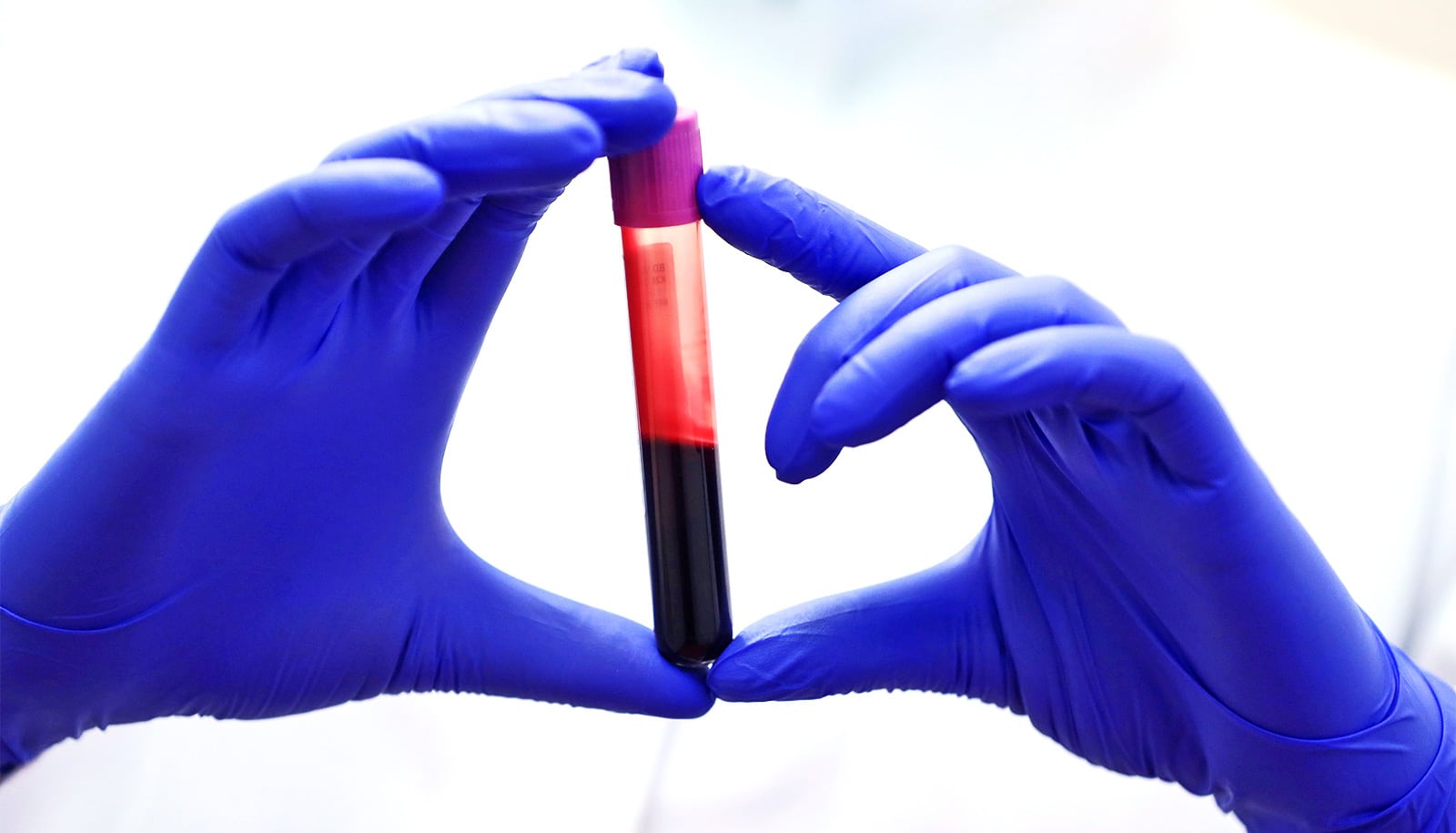
Real-Time blood Viscosity Monitoring: A Breakthrough in Disease Management
For decades, accurately and conveniently measuring blood viscosity – the thickness and stickiness of blood – has remained a important challenge in medicine. Now, researchers at the University of Missouri have pioneered a groundbreaking ultrasound-based technology poised to revolutionize how we understand and manage a range of diseases. This innovation isn’t just a new device; it’s a paradigm shift in our ability to assess cardiovascular health and tailor treatments wiht unprecedented precision.
The core of this advancement lies in a novel approach to ultrasound application. Instead of simply imaging with sound waves, the device gently vibrates blood within the body using a continuous ultrasound signal. A refined algorithm then analyzes how this sound wave propagates, revealing crucial information about blood viscosity and density simultaneously.
This simultaneous measurement is a key differentiator. Traditional methods require drawing blood samples, a process that inherently alters the blood’s natural state and can compromise accuracy. By measuring viscosity in situ - directly within the body – this technology captures a truly representative picture of a patient’s circulatory health.
From engine Monitoring to Biomedical Innovation
The story behind this breakthrough is as fascinating as the technology itself. Dr. Gaurav Salvi, the lead inventor, initially developed the system to monitor oil quality in engines during his graduate studies at Mizzou’s College of Engineering. Recognizing the potential for broader application, he founded a startup focused on real-time lubricant monitoring.
A pivotal moment came with guidance from his mentor,Professor Jinglu Tan,a renowned expert in chemical and biomedical engineering. Professor Tan helped refine the underlying science, paving the way for adapting the technology to biological fluids. Further encouragement from Professor William Fay, a medical pharmacology and physiology specialist, solidified the focus on clinical applications.
“Measuring blood viscosity has always been a challenge,” explains Professor Fay. ”This device could be a game changer, offering accurate, real-time readings without the need for invasive blood draws.” This non-invasive aspect is a major advantage, streamlining the monitoring process and minimizing patient discomfort.
Implications for Disease Management
The potential impact of this technology is far-reaching. Conditions like sickle cell anemia, characterized by abnormally shaped red blood cells and increased blood viscosity, stand to benefit considerably. Currently, treatment often relies on scheduled transfusions or medications.
Real-time viscosity monitoring could enable a personalized approach, allowing clinicians to adjust interventions based on a patient’s current needs. This precision could dramatically improve outcomes and reduce the risk of complications.
Professor Tan emphasizes the importance of in situ measurement: “Blood is a living organ. You can’t take it out and expect it to behave the same way.” This principle underscores the power of this new approach.
The Future of Blood Viscosity as a Vital Sign
Dr. Salvi envisions a future where blood viscosity is routinely monitored alongside traditional vital signs like heart rate and oxygen levels. The technology’s software-based nature and compatibility with inexpensive hardware make this vision attainable.
Furthermore, the potential for creating affordable, portable, and even wearable devices is incredibly promising. A readily deployable prototype can be constructed with commonly available components, opening doors to widespread accessibility.
This innovation represents more than just a new tool for doctors. It’s a fundamental shift in how we understand blood flow and disease progression. By unlocking real-time insights into blood viscosity, we can anticipate, diagnose, and treat cardiovascular conditions with greater accuracy and effectiveness.
Study Citation: The research was published in the Journal of Dynamic Systems, Measurement, and Control (https://doi.org/10.1115/1.4068392).
source: University of Missouri (https://showme.missouri.edu/2025/mizzou-researchers-pioneer-ultrasound-technology-to-measure-blood-viscosity/)
Related reading
- Oxford University Begins Human Trials for ChAdOx1 Ebola Vaccine
- Corporate Welfare: How Amazon and Walmart Use Medicaid and SNAP to Subsidize Low Wages
- The Schumann Resonance, Explained: Real Physics Behind a Wellness Myth (daybreakwire.com)
- Health Insurance Reform: Insured Doubt Stable Premiums (archyde.com)