
Public health officials in the United States are continuing to monitor the prevalence of various parasitic infections, emphasizing the importance of accurate diagnostic reporting and preventative measures. While misinformation regarding “flesh-eating” parasites frequently circulates on social media and international news aggregators, the reality involves specific, clinically documented conditions that require professional medical management rather than public alarm.
For individuals concerned about potential exposure or symptoms, the Centers for Disease Control and Prevention (CDC) serves as the primary authority for tracking domestic health risks. Understanding the distinction between common environmental pathogens and rare, sensationalized threats is essential for maintaining community wellness. When health-related claims appear in the media, it is critical to verify them against official bulletins issued by state departments of public health or federal agencies.
Distinguishing Clinical Reality from Media Sensationalism
The term “flesh-eating” is frequently misapplied in non-scientific reporting to describe various bacterial or parasitic infections. In medical terms, conditions like necrotizing fasciitis are typically caused by bacteria, such as Group A Streptococcus, rather than parasites. According to the CDC, these infections are rare but serious, often entering the body through breaks in the skin. Prompt medical intervention, including surgical debridement and intravenous antibiotics, is the standard of care for these cases.
When reports emerge about parasitic threats, they often stem from localized incidents involving organisms such as Naegleria fowleri—the “brain-eating amoeba”—or cutaneous parasitic infestations. These are distinct from one another, have different transmission vectors, and require vastly different public health responses. Relying on scientific consensus provided by the National Institutes of Health (NIH) ensures that the public receives actionable information rather than anxiety-inducing narratives.
Preventative Measures and Public Health Guidance
The most effective way to protect against parasitic and bacterial skin infections is through basic hygiene and environmental awareness. Health authorities consistently recommend that individuals keep open wounds clean and covered, avoid contact with contaminated water if skin barriers are compromised, and seek medical attention for persistent inflammation or unexplained skin lesions. These practices are documented in official safety guidelines maintained by the CDC’s Division of Healthcare Quality Promotion.
Public health surveillance systems, such as the National Notifiable Diseases Surveillance System (NNDSS), are designed to track the incidence of infectious diseases across the country. Data from these systems are published periodically to inform healthcare providers and the public about emerging trends. By monitoring these official datasets, the medical community can identify geographical clusters of infections and deploy necessary resources to mitigate transmission risks.
How to Access Verified Health Information
For those seeking clarity on specific health threats, the following resources provide the most reliable, up-to-date information:

- CDC Travelers’ Health: Provides information on regional risks for those planning domestic or international travel.
- State Health Departments: Localized information regarding outbreaks or environmental advisories within specific states.
- PubMed: A comprehensive database of peer-reviewed medical literature for those interested in the clinical details of specific parasitic or bacterial pathogens.
If you or someone in your community is experiencing symptoms of a serious infection, it is imperative to consult a licensed healthcare professional immediately. Diagnostic testing is the only way to confirm the presence of a pathogen and determine the appropriate course of treatment. Avoid self-diagnosis based on internet articles, as these often lack the nuance required for accurate medical assessment.
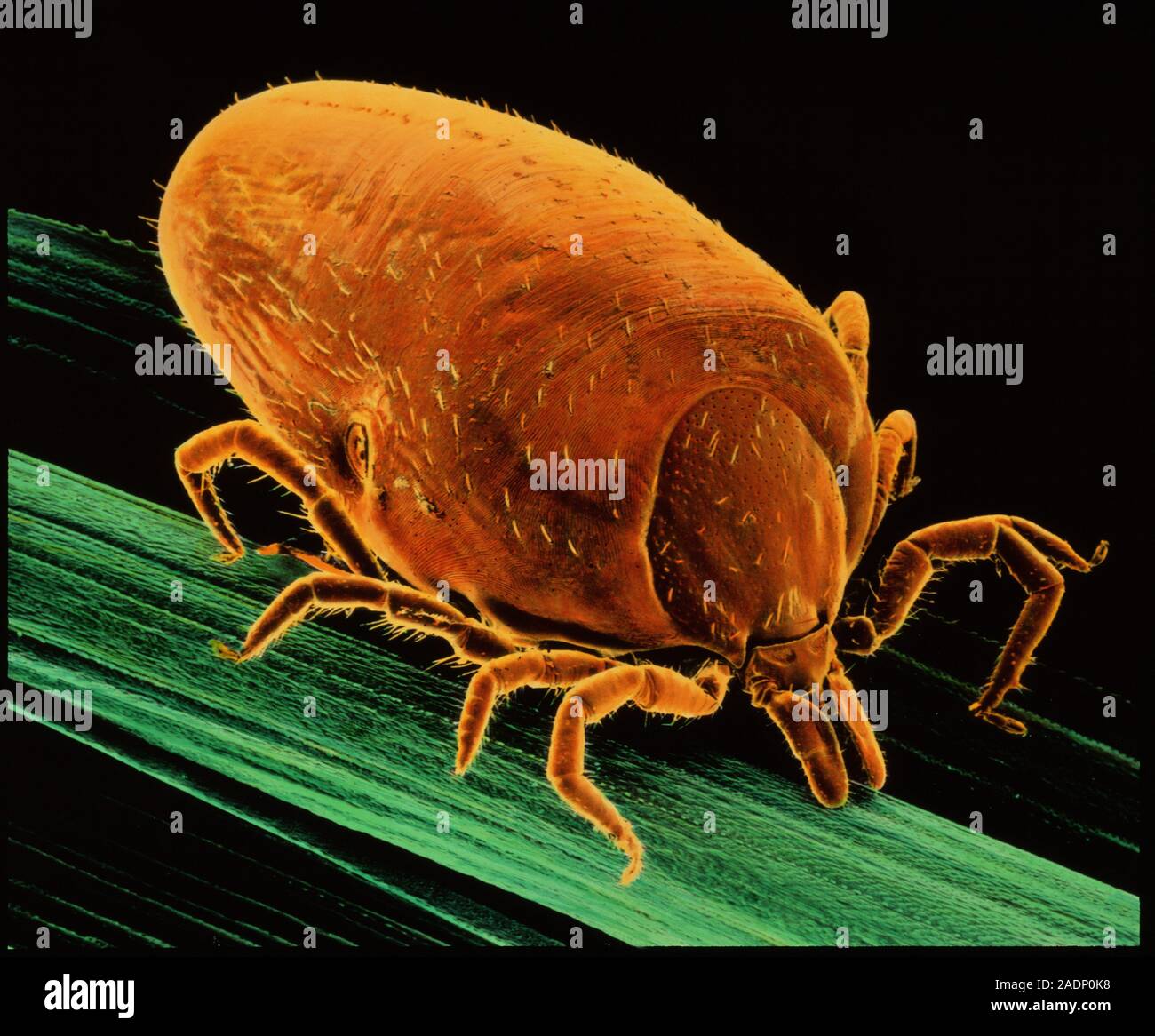
As of June 2026, there have been no official declarations of widespread, atypical parasitic outbreaks in the United States that would warrant a departure from standard public health protocols. Continued monitoring by the Department of Health and Human Services (HHS) ensures that any significant changes in disease patterns are communicated to the public through verified channels. We encourage our readers to remain informed through official reporting and to share this information with their local networks to help dispel unfounded health scares.
Have you encountered conflicting health information online? Share your questions in the comments section below, and we will work to provide answers sourced from official public health records.