
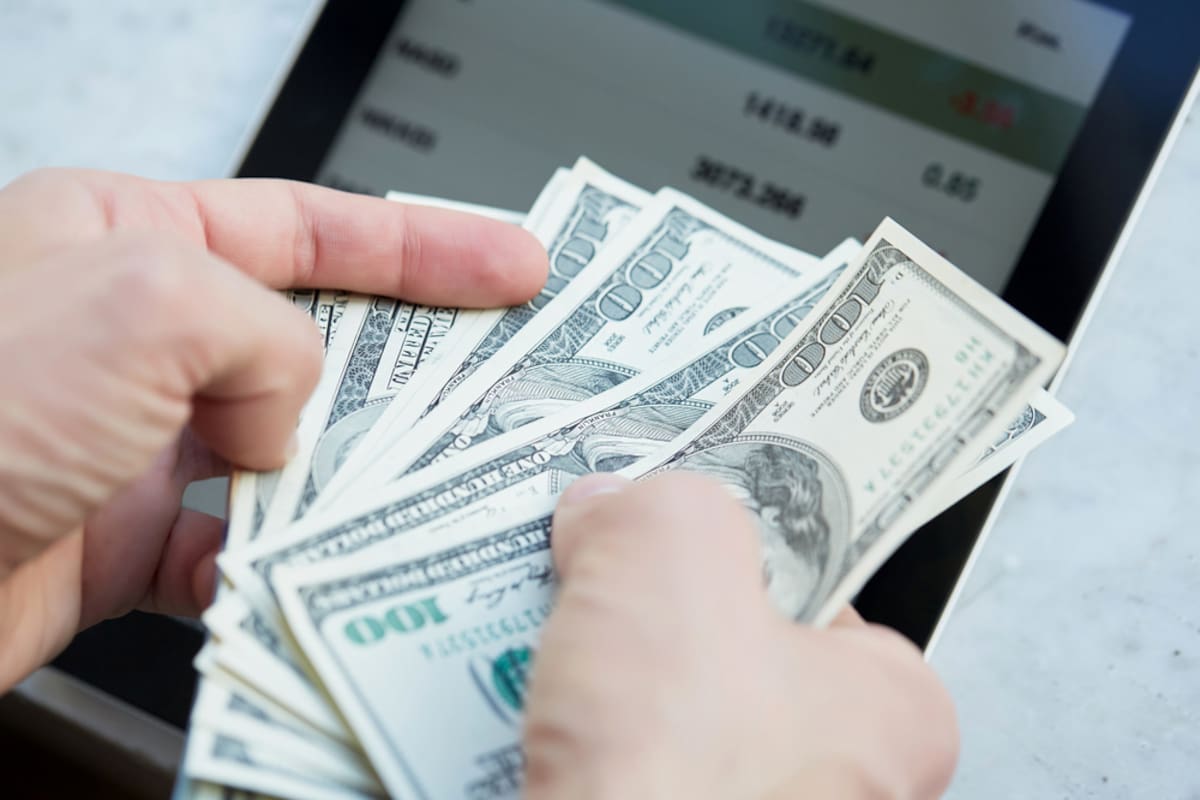
The “dólar blue”—the informal, parallel exchange rate for the U.S. dollar in Argentina—opened trading on Monday, June 29, at approximately $1464.70 for purchase and $1510.00 for sale. This valuation represents a notable shift in the local market, reflecting broader economic pressures and the persistent gap between official and parallel currency pricing in the Argentine financial landscape.
As of late June 2024, the currency market in Argentina continues to function under strict capital controls, commonly referred to as the “cepo cambiario.” The persistence of these regulations, maintained by the Central Bank of the Argentine Republic (BCRA), forces a significant portion of the public and small-scale investors to access foreign currency through the informal market. The price of the dólar blue is determined by supply and demand in unregulated “cuevas” (informal exchange houses) rather than through official financial institutions.
Understanding the Parallel Market Dynamics
The gap between the official exchange rate and the informal blue rate is a critical indicator of economic stability. When the spread between these two rates widens, it often signals increased inflationary expectations or a lack of confidence in the national currency, the Argentine peso. According to data tracked by financial analysts at Ámbito Financiero, the informal market remains a primary barometer for price-setting in sectors ranging from real estate to retail electronics.

Market participants often look to the “brecha” (the spread) to determine the volatility of the local economy. On June 29, the observed rates indicated that the informal market was trading at a premium compared to the previous week’s closing figures. This upward pressure on the blue dollar is frequently linked to seasonal demand for foreign currency, as well as the ongoing fiscal policy adjustments implemented by the administration of President Javier Milei, who has prioritized the reduction of the fiscal deficit as a core pillar of his economic agenda (Casa Rosada).
Factors Influencing Current Exchange Rates
Several macroeconomic factors contribute to the daily fluctuations of the dólar blue. First, the level of international reserves held by the central bank remains a focal point for global investors and credit rating agencies. When reserves are perceived to be low, the demand for “hard” currency like the U.S. dollar typically rises, pushing the price of the informal note higher.

Second, the influence of domestic interest rates plays a decisive role. When local peso-denominated deposits offer returns that fail to outpace inflation, savers often migrate their capital toward the dollar to preserve purchasing power. This behavior is documented in recurring reports from the National Institute of Statistics and Censuses (INDEC), which provides the official data on the country’s Consumer Price Index (CPI) and broader economic performance metrics.
Economic Context and Regulatory Outlook
The Argentine government has consistently signaled its intention to eventually unify the exchange rates, a move that would require a significant accumulation of foreign reserves and a reduction in monetary emission. However, as of late June, the dual-rate system remains in place. For businesses and individuals operating in Argentina, the price of the dólar blue serves as a functional, albeit unofficial, reference for the true cost of imported goods and the replacement value of various assets.
The current administration’s “Ley Bases” and related economic reform packages continue to move through the legislative process, with observers closely watching for signs of market liberalization. The impact of these policies on the currency market is expected to be gradual, as the government works to stabilize the macroeconomy while managing significant social and political challenges.
Monitoring Future Updates
Financial markets in Argentina operate with high sensitivity to political announcements and regulatory changes. Readers interested in tracking the evolution of the exchange rate can consult the official website of the Central Bank of the Argentine Republic for updates on official rates and monetary policy decisions. Additionally, major financial news outlets provide daily updates on the blue dollar’s movement as trading sessions close each afternoon.

As of this reporting, there are no immediate changes to the current capital control regime scheduled for the coming days. The market will likely remain focused on upcoming treasury auctions and central bank communications regarding the management of liquidity. We invite readers to share their perspectives on these economic developments in the comments section below or join the conversation on our social media platforms.