The Looming Shift in Southern Lebanon: What the UNIFIL Withdrawal Means for Stability
For decades, the united Nations Interim Force in Lebanon (UNIFIL) has been a cornerstone of stability in a volatile region. Now, thatS changing. The UN Security Council recently voted to extend UNIFIL’s mandate for a final time, setting a withdrawal date of 2027. But what does this mean for Lebanon, Israel, and the delicate balance of power in the Middle East? As someone who’s closely followed the situation in Southern Lebanon for years, let’s break down the complexities and what you need to know.
A History of Limited Success
UNIFIL was initially deployed in 1978 following Israel’s first invasion of Lebanon. Its core mission: to monitor the ceasefire, ensure the withdrawal of Israeli forces, and assist the Lebanese government in restoring its authority in the south. Tho, as the recent vote highlights, the mission has faced persistent challenges.
Critics, including Israel, point to UNIFIL’s inability to prevent Hezbollah’s notable military build-up within Southern Lebanon. The force has been largely unable to enforce the disarmament of Hezbollah, a key tenet of past resolutions. Israel’s foreign ministry welcomed the withdrawal as a step towards regional stability, but the reality is far more nuanced.
Lebanon’s Perspective: Buying Time
Lebanon’s newly formed government, understandably, views the extension differently. They see the additional time as crucial to consolidating control of the border region. This is a monumental task, given the Lebanese Armed Forces (LAF) are currently overstretched and underfunded.
The hope is to build a robust security presence capable of preventing a resurgence of conflict. but realistically, achieving full control by 2027 is a significant challenge.
The Fragile Reality on the Ground
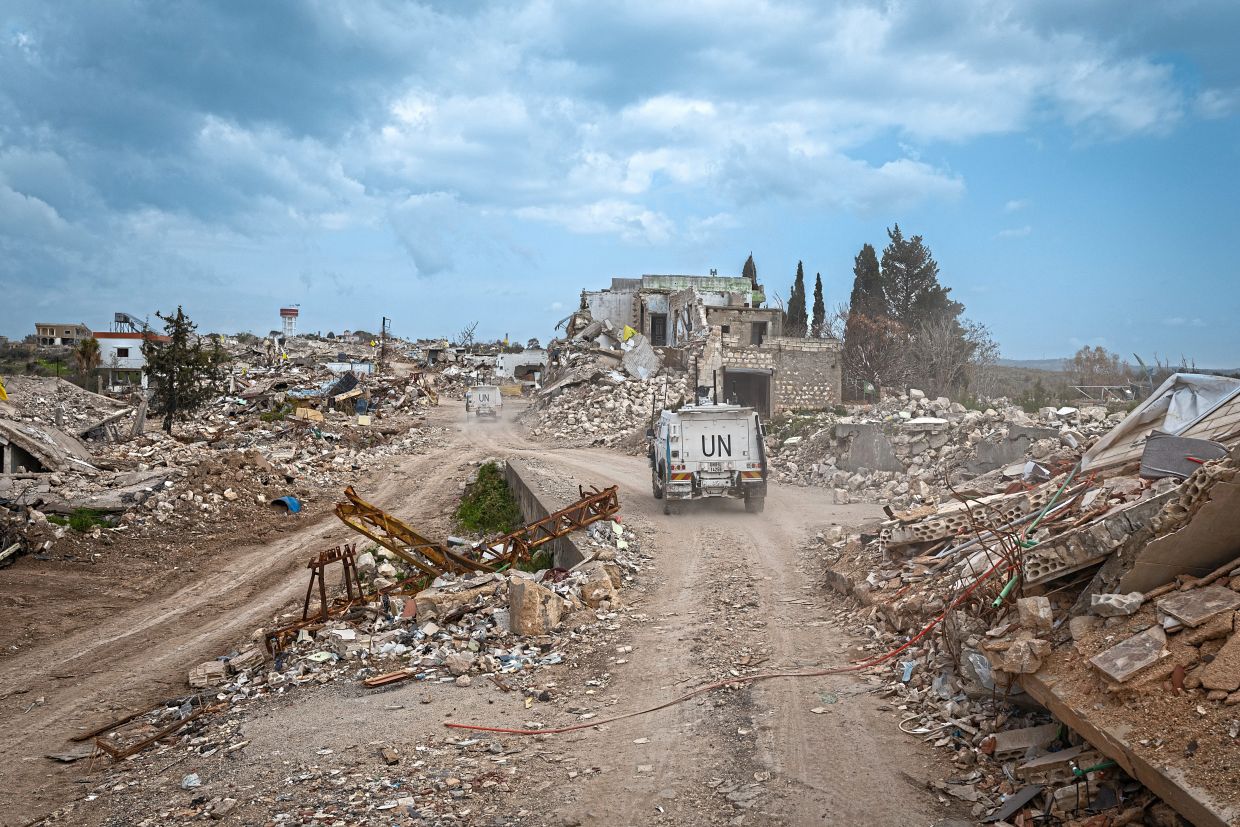
Southern Lebanon today bears the scars of conflict. Last year’s intense fighting between Israel and Hezbollah left villages in ruins and claimed the lives of thousands – fighters and civilians alike.
Here’s a snapshot of the current situation:
* Ruined Infrastructure: Roads are cratered, homes are collapsed, and the landscape is littered with remnants of war.
* Hezbollah’s Presence: Despite calls for disarmament, Hezbollah maintains a visible presence, marked by flags, slogans, and a network of infrastructure.
* Unexploded ordnance: Peacekeepers, like the Italian contingent with their bomb-sniffing dog Slash, constantly face the danger of unexploded rockets and booby traps.
* Violations of the Ceasefire: Both sides continue to violate the terms of the ceasefire agreement. Israel maintains outposts inside Lebanon, while Hezbollah resists pressure to disarm.
Caught in the Crossfire: The Risks to Peacekeepers & Civilians
The situation isn’t just hazardous for civilians. UNIFIL itself has been targeted. The UN has accused Israel of firing on peacekeepers, injuring dozens. Tragically, Lebanese soldiers have also been killed while investigating downed Israeli drones.
This highlights the precarious position of all actors on the ground. Lt. Khalil Abdel rida, a Lebanese officer, poignantly pointed to shrapnel scars at a destroyed checkpoint, stating, “Dozens of my comrades died here.”
Why the push for Withdrawal?
The United States and Israel spearheaded the push for UNIFIL’s exit, arguing that an “interim” force shouldn’t become a permanent fixture. They believe Lebanon needs to take full responsibility for its own security.
However, this view isn’t universally shared. Britain and France expressed concerns about creating a security vacuum that Hezbollah could exploit. Even analysts like Paul Salem of the Middle East Institute acknowledge that a sudden withdrawal carries significant risks.
The Key to Stability: A Strengthened Lebanese Army
The consensus among many experts,including senior UNIFIL commander Brig-Gen Nicola Mandolesi,is that a strong and well-equipped Lebanese Army is the key to long-term stability.
but this requires substantial investment and support. without it,the LAF will struggle to fill the void left by UNIFIL and effectively control the border. Your understanding of this point is critical to grasping the potential consequences.
A Mission Ending, Uncertainty Remaining
As 2027 approaches, the mood within UNIFIL is a mix of anticipation and