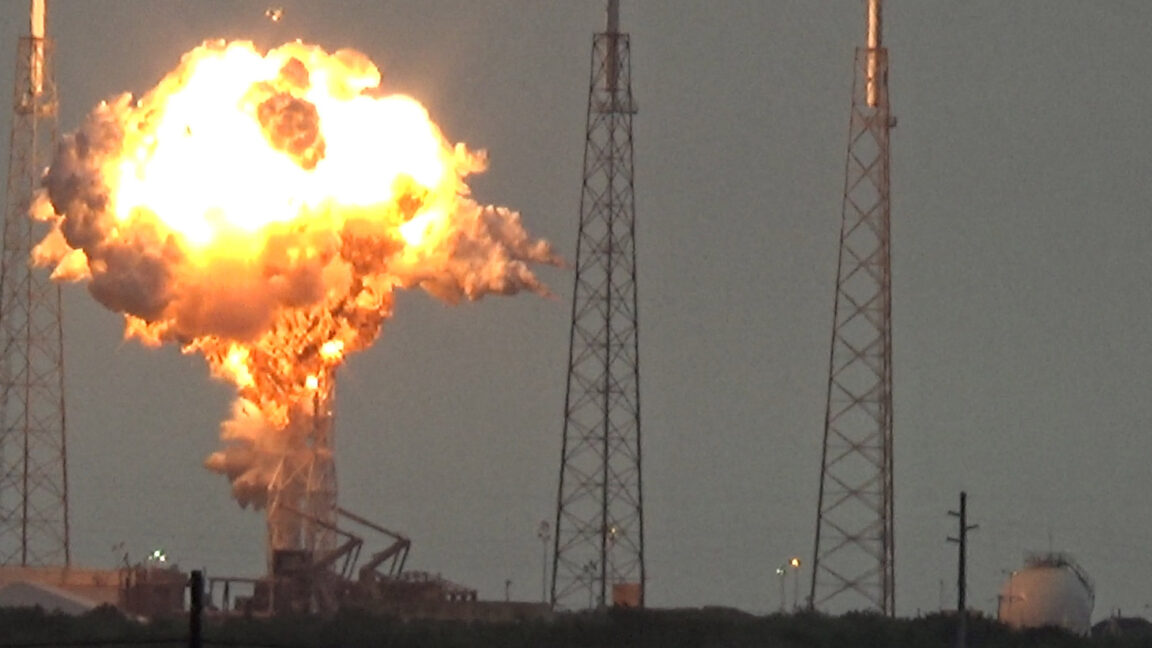
The aerospace industry is no stranger to the volatile nature of launch operations, where the thin margin between a successful static fire test and a catastrophic anomaly is measured in milliseconds. Recently, the spotlight shifted to Blue Origin’s Cape Canaveral facilities following an incident involving the New Glenn launch vehicle. As the company works to recover, industry observers are looking back at historical benchmarks—such as the 2016 SpaceX Falcon 9 explosion—to gauge how long it might take to restore launch pad operations.
Understanding the timeline for rebuilding a launch pad requires looking at the complexity of modern ground support equipment. When a rocket experiences a failure during a static fire, the damage often extends far beyond the vehicle itself, impacting the specialized umbilical arms, propellant lines, and sensitive electronic sensors that make up the launch complex. For those asking how long it will take to rebuild Blue Origin’s launch pad, the answer lies in a combination of regulatory safety investigations and the physical logistics of site restoration.
Lessons from the AMOS-6 Incident
On September 1, 2016, a SpaceX Falcon 9 rocket suffered a catastrophic failure during a routine pre-launch static fire test at Space Launch Complex 40 (SLC-40) at Cape Canaveral Air Force Station. The explosion, which occurred while propellant was being loaded, resulted in the total loss of the vehicle and the AMOS-6 communications satellite, as reported by NASA’s official records of the event. At the time, the incident sent shockwaves through the industry, forcing a deep dive into the underlying causes of the pressure vessel failure.
The restoration of SLC-40 was a monumental task. SpaceX spent months conducting a thorough investigation overseen by the Federal Aviation Administration (FAA). Following the investigation, the company undertook extensive repairs to the pad infrastructure, which had been significantly damaged by the fire and debris. It took approximately 14 months for SpaceX to return the pad to operational status, with the first successful launch occurring in December 2017, according to Reuters coverage of the return-to-flight mission.
The Path Forward for New Glenn
In late May 2024, Blue Origin encountered a setback during a static fire test of its heavy-lift New Glenn rocket at Launch Complex 36. Unlike the 2016 incident, which involved a fully fueled vehicle, the scope and nature of the damage at the New Glenn site are being evaluated by the company in coordination with federal regulators. The FAA maintains oversight of commercial space launch anomalies to ensure public safety, requiring a formal mishap investigation before flight operations can resume, as detailed in the FAA’s official guidelines for commercial space transportation mishaps.
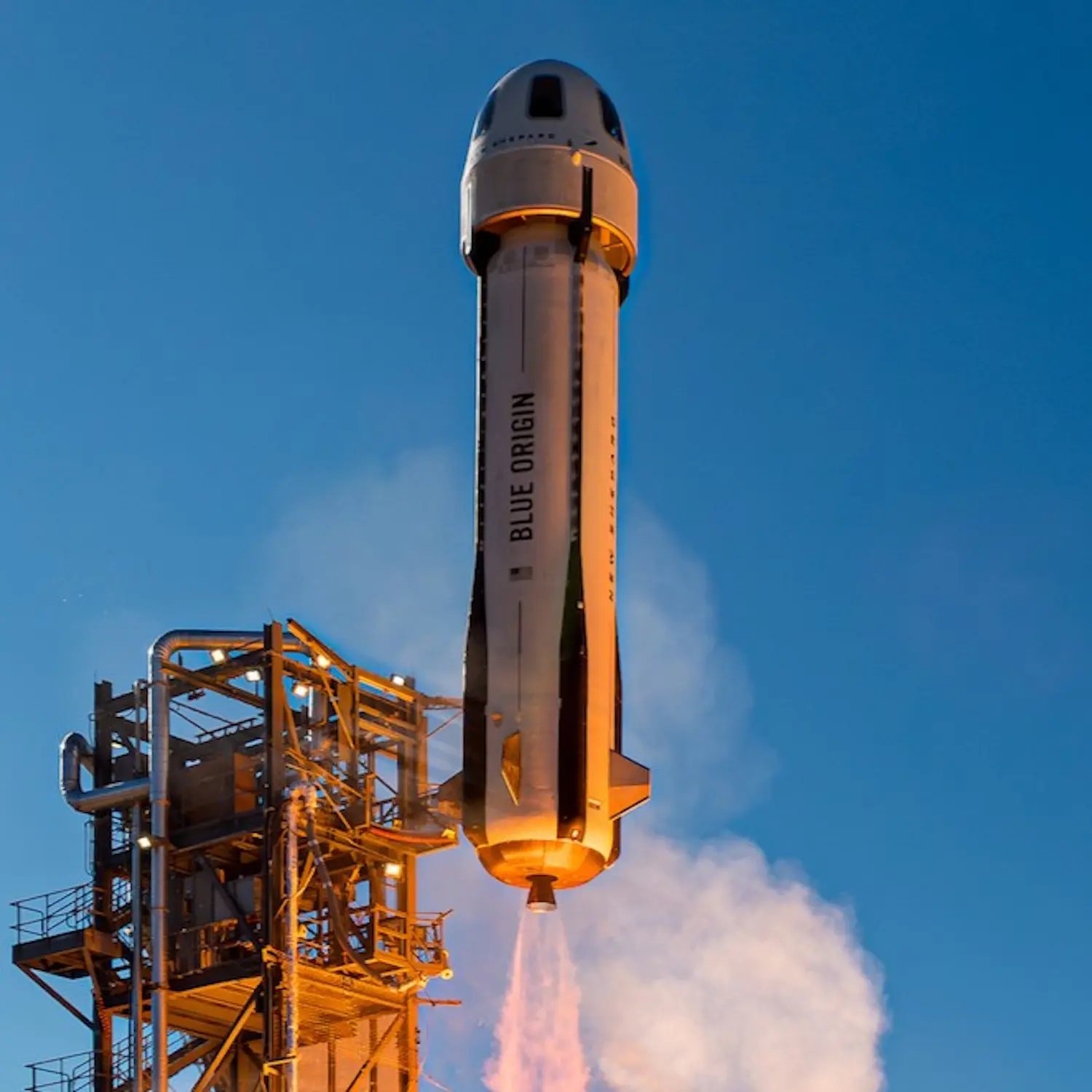
For Blue Origin, the recovery timeline depends on two primary factors: the extent of the damage to the pad’s sophisticated ground systems and the complexity of the corrective actions required by the FAA. While industry veterans suggest that modern launch infrastructure—designed with more robust materials and automated safety systems—can sometimes be repaired faster than in previous decades, the regulatory process remains the ultimate gatekeeper. There is no set industry standard for “recovery time,” as each event is unique to the vehicle architecture and the specific site damage sustained.
Key Considerations for Launch Site Restoration
When assessing the recovery at a site like Launch Complex 36, engineers must prioritize several critical areas:
- Structural Integrity: Inspecting the launch mount and flame trench for thermal or mechanical fatigue.
- Propellant Systems: Replacing or certifying the integrity of cryogenic piping and valves, which are highly susceptible to damage during an explosion.
- Communication and Avionics: Restoring the ground-to-flight data links that control the terminal countdown sequence.
- Regulatory Compliance: Implementing the safety changes mandated by the FAA following the findings of the mishap investigation.
The recovery process is not merely about construction; it is about rigorous verification. Every component must be tested under conditions that mimic the high-pressure environment of a launch to ensure that a similar anomaly does not recur. According to the Federal Aviation Administration’s Office of Commercial Space Transportation, these investigations are essential for maintaining the safety of the launch range and the surrounding environment.
Looking Ahead: What Happens Next?
As Blue Origin continues its investigation, the global aerospace community remains focused on the next steps. The timeline for resuming New Glenn’s testing campaign will only be confirmed once the FAA closes its mishap investigation and approves the company’s corrective action plan. This process ensures that the lessons learned from the incident are integrated into the vehicle’s design and the facility’s operational protocols.
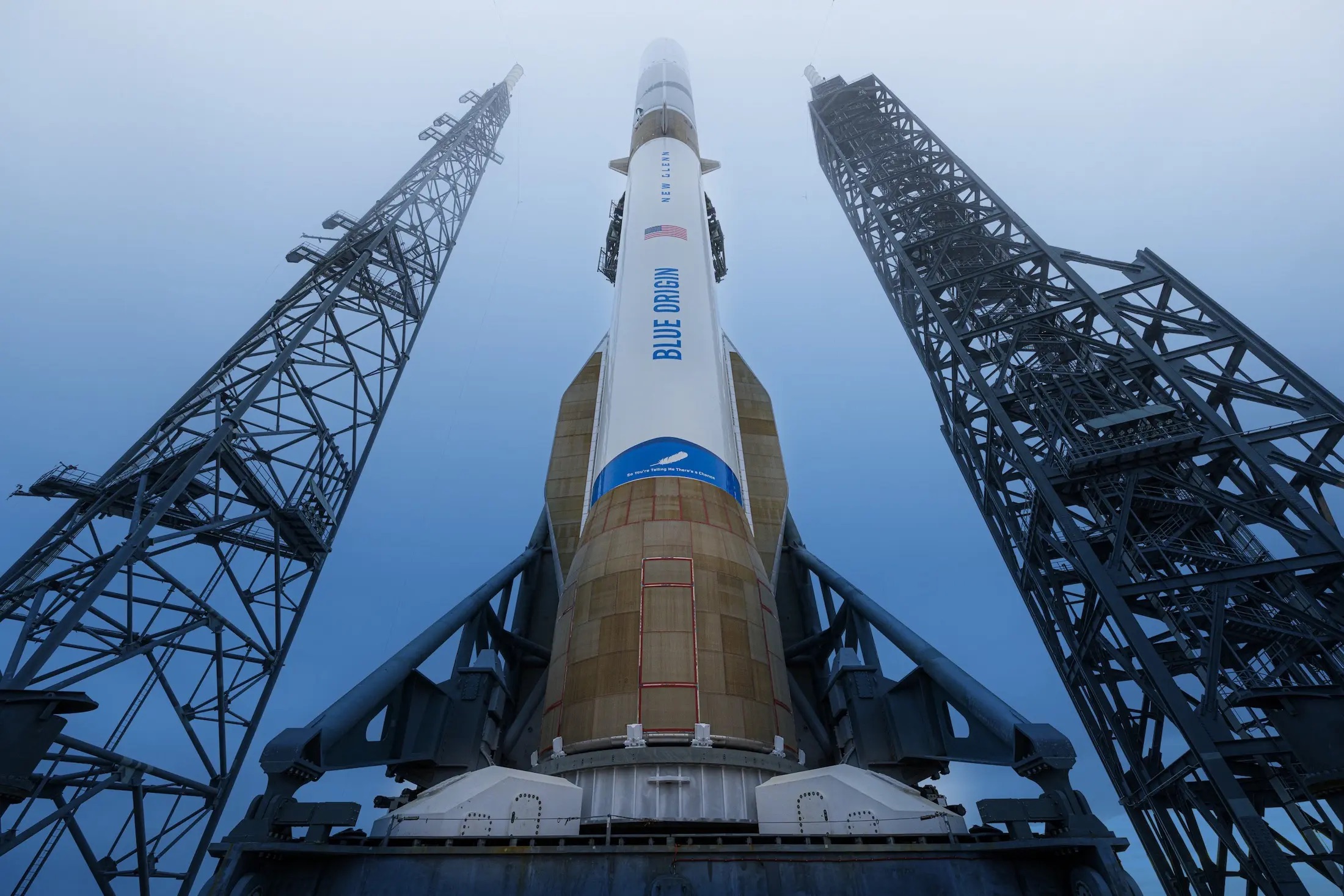
For those following the development of the New Glenn program, the most reliable source for updates remains the official communications from Blue Origin and the public notices issued by the FAA. As we have seen in the history of the commercial space industry, resilience is a defining characteristic of the sector. While setbacks are inevitable in the pursuit of heavy-lift capabilities, they often lead to more refined, safer, and more reliable systems in the long run.
We invite our readers to join the conversation below. How do you view the balance between rapid innovation and the rigorous safety requirements of modern spaceflight? Share your thoughts in the comments section as we continue to track this developing story.