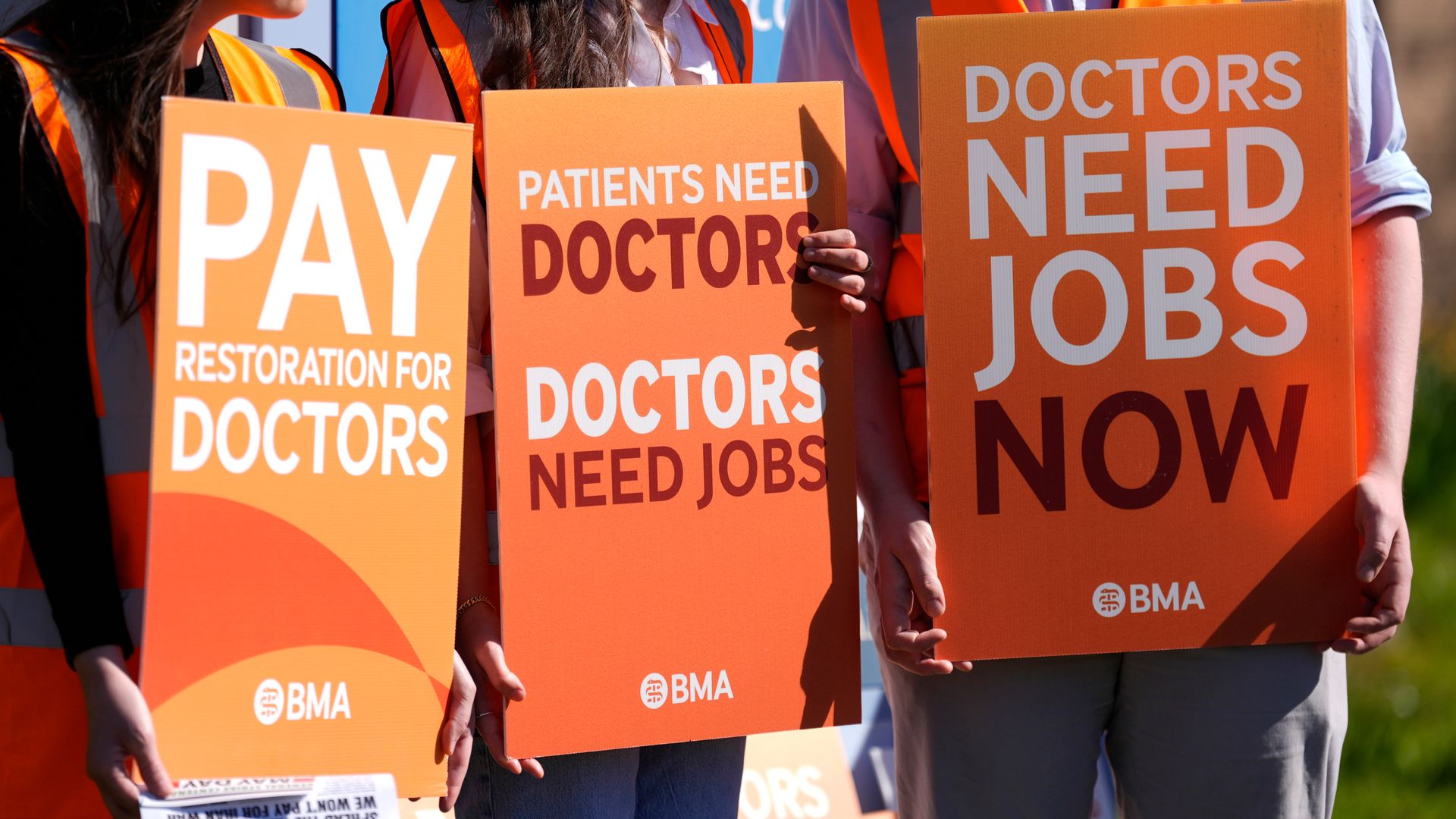
Doctors Strike in England Called Off After New Government Pay Offer
Resident doctors in England have cancelled a planned four-day strike after the British Medical Association (BMA) received a new pay offer from the UK government. The decision follows a period of intense negotiation aimed at resolving a long-standing dispute over wages and working conditions within the National Health Service (NHS).
The British Medical Association, which represents the resident doctors involved in the industrial action, announced the suspension of the strikes following a shift in the negotiations between union leaders and government officials. The move effectively halts the scheduled work stoppages that would have disrupted hospital services and elective procedures across the country.
This development follows months of industrial unrest that has impacted patient care and increased pressure on NHS management. While the BMA has confirmed the cancellation of the upcoming four-day action, the union has not yet formally declared the dispute fully resolved, as members must still evaluate the specific terms of the proposal.
Why did the BMA call off the resident doctors’ strike?
The decision to call off the strike was driven by a new offer presented by the government to the BMA. According to an announcement from the BMA, the suspension of industrial action is intended to allow for a more thorough review of the proposed terms. The union indicated that the new offer provides a basis for further discussion to address the core issues that triggered the dispute.
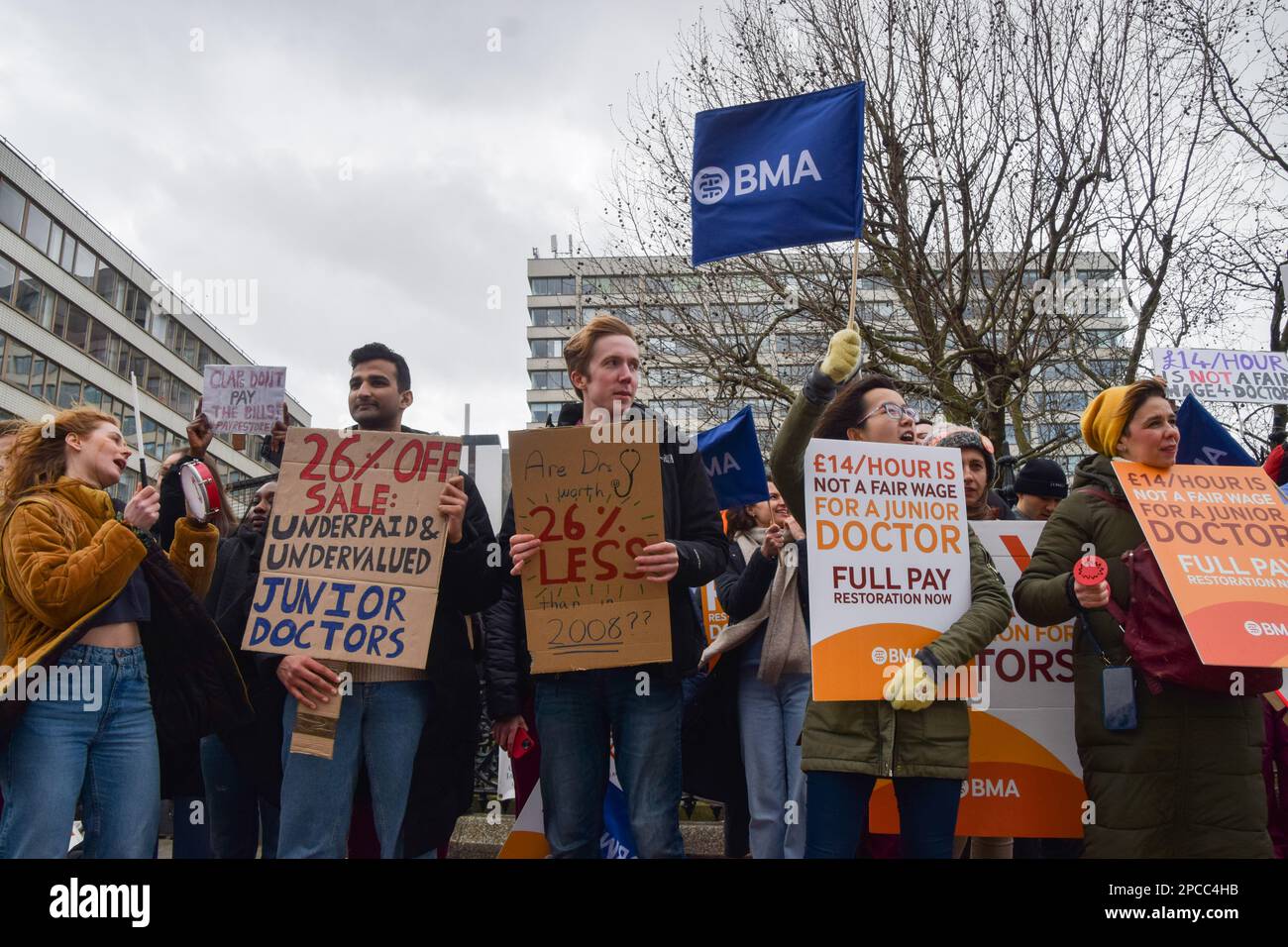
The primary drivers behind the industrial action included concerns over real-term pay erosion. Throughout the dispute, BMA representatives argued that inflation and the rising cost of living had significantly diminished the purchasing power of medical professionals. By halting the strike, the BMA aims to engage in direct negotiations to see if the government’s latest proposal can bridge the gap between current pay scales and the demands of the medical workforce.
The suspension of the four-day strike is a tactical move to prevent further disruption to the NHS while the union’s leadership and members assess the viability of the settlement. The BMA has stated that the decision to pause industrial action is not an unconditional acceptance of the government’s terms but a step toward finding a sustainable resolution.
What are the details of the new government pay offer?
While the specific financial breakdown of the new offer has been subject to ongoing review by the BMA, the proposal is designed to address the pay gap cited by resident doctors. Government officials have indicated that the offer represents a significant commitment to stabilizing the healthcare workforce. The Department of Health and Social Care has positioned this offer as a move toward long-term industrial peace within the NHS.
The negotiations have focused on several key pillars:
- Base Salary Adjustments: Addressing the annual pay increments for resident doctors to combat inflation.
- Working Conditions: Reviewing rotas and staffing levels to reduce burnout among junior and resident medical staff.
- Long-term Recruitment: Implementing policies aimed at retaining doctors within the NHS to mitigate the ongoing workforce crisis.
The BMA is currently analyzing how the offer compares to previous proposals and whether it adequately compensates doctors for the increased pressures faced in modern clinical environments. The union has emphasized that any final agreement must be robust enough to ensure the long-term retention of medical talent in England.
How does the pay dispute impact the NHS?
The prolonged period of industrial action has had measurable consequences for the National Health Service. The disruption caused by previous strikes led to the cancellation of thousands of outpatient appointments and elective surgeries. This has contributed to the growing backlog of patients waiting for essential treatments, a challenge that NHS administrators have been working to manage since the pandemic.
Beyond patient waiting lists, the dispute has also highlighted broader systemic issues within the healthcare sector. The uncertainty surrounding pay and working conditions has been linked by some analysts to difficulties in medical recruitment and retention. When doctors face perceived pay instability, it can lead to increased turnover and a reliance on expensive agency staff to fill critical gaps in hospital rotas.
The economic impact of the strikes extends to the operational efficiency of hospitals. Managing strike action requires significant administrative resources, including the coordination of emergency cover and the communication of service changes to the public. The calling off of the strikes is expected to provide immediate relief to hospital managers and allow for a more predictable schedule of clinical activities.
Timeline of the NHS Resident Doctor Dispute
| Phase | Event/Status | Primary Focus |
|---|---|---|
| Initial Dispute | Pay negotiations fail | Real-term wage erosion |
| First Strike Rounds | Series of rolling strikes | Demanding fair pay awards |
| Recent Escalation | Planned four-day strike | Pressure on government to settle |
| Current Status | Strikes called off | Review of new government offer |
What happens next for NHS workers and patients?
In the immediate term, NHS hospitals in England will resume normal scheduling for services that were previously impacted by the threat of industrial action. Patients who had appointments rescheduled due to the anticipated strikes should receive updates from their respective trusts regarding when their care will proceed. Medical staff will return to their standard duties as the BMA continues its internal review process.
The next critical checkpoint will be the BMA’s formal response to the government’s offer. The union is expected to present the details to its members for a vote. This vote will determine whether the resident doctors accept the offer as a full and final settlement or if further industrial action will be organized if the terms are deemed insufficient.
For the government, the focus shifts to ensuring that the implementation of any new pay agreement is handled efficiently across all NHS trusts. Success in this phase is vital to preventing a recurrence of industrial action and to maintaining the stability of the healthcare system during a period of significant economic and operational pressure.
Frequently Asked Questions
Will there be more strikes in the near future?
The BMA has called off the current four-day strike, but a final decision on whether the dispute is resolved depends on the outcome of the member vote on the new offer. If the offer is rejected, the union may consider further industrial action.
How will this affect my hospital appointment?
With the strikes called off, most hospitals expect to resume regular service. If your appointment was specifically moved due to strike action, your local NHS trust should contact you directly with a new date.
Who is included in this “resident doctor” group?
The term “resident doctor” is used by the BMA to describe a wide range of doctors in training, including those previously referred to as junior doctors, who hold various levels of responsibility within the NHS.
The next major development will be the official announcement from the BMA regarding the outcome of their evaluation of the government’s proposal. We will continue to monitor this story as more details emerge.
What are your thoughts on the resolution of the NHS pay dispute? Share your views in the comments below and share this article to keep your network informed.
Worth a look