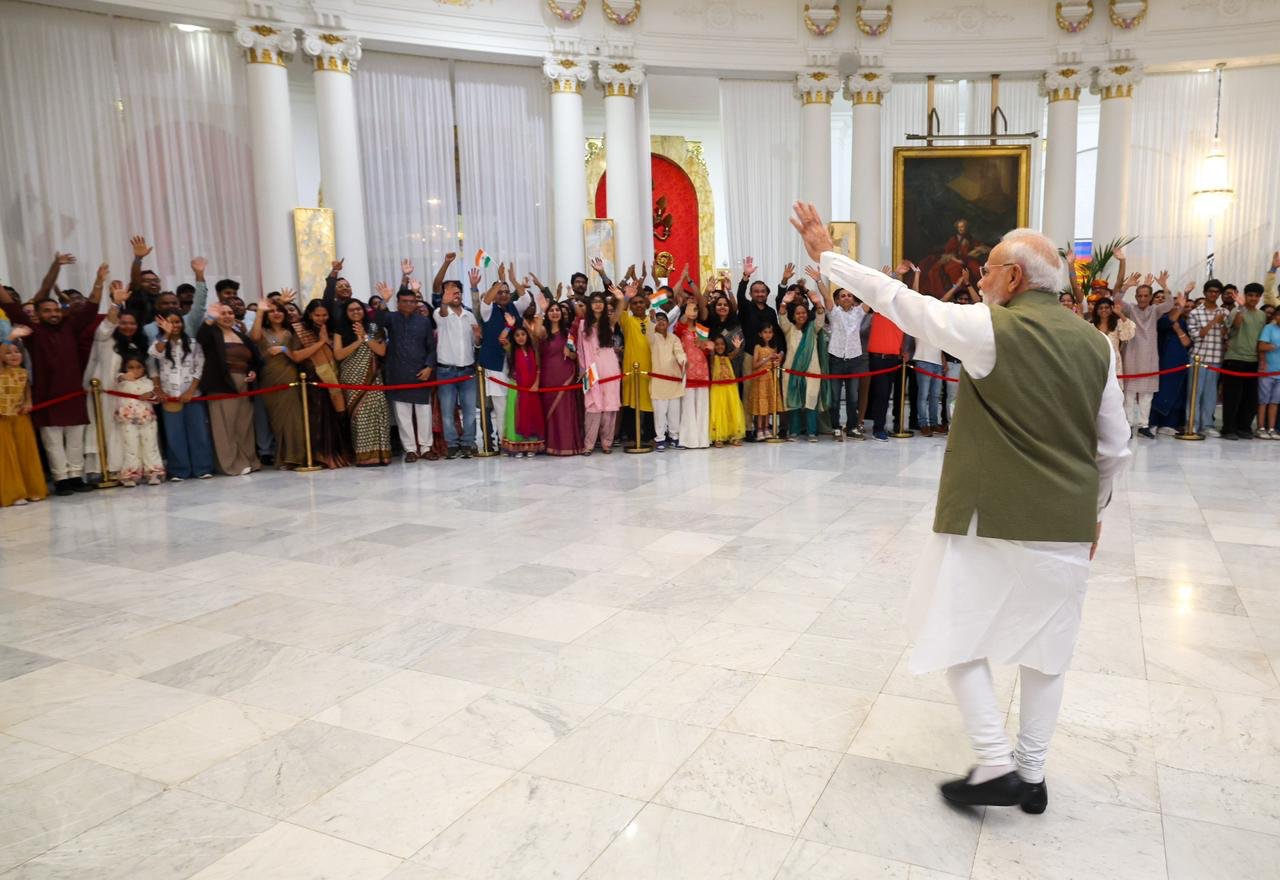
Members of the Indian diaspora in Nice, France, provided a significant reception for Prime Minister Narendra Modi, highlighting the growing influence and visibility of the Indian community within the French Republic. The gathering in the Alpes-Maritimes region served as a demonstration of cultural ties and political support for the Indian leadership during his engagement in Europe.
The reception, described by official sources as a memorable welcome, underscores the evolving role of the Indian community in France. As the diaspora expands across major French urban centers, its ability to act as a bridge between New Delhi and Paris has become a focal point of bilateral discussions. The event in Nice reflects a broader trend of diaspora engagement that characterizes the current administration’s foreign policy approach.
While the specific logistics of the gathering were centered on community celebration, the event coincided with broader diplomatic efforts to strengthen the strategic partnership between India and France. The presence of the Indian community in the south of France highlights the geographic diversity of the diaspora, which is no longer concentrated solely in the Paris metropolitan area but is increasingly active in regional hubs like Nice.
Why the Indian diaspora in Nice matters for India-France ties
The reception in Nice serves as more than a local community event; it acts as a metric for the strength of “soft power” diplomacy. For the Indian government, the diaspora represents a vital link for cultural exchange and economic investment. According to the Ministry of External Affairs (MEA), the Indian diaspora is a key pillar in India’s engagement with the global community, contributing to both the nation’s international prestige and its economic interests through remittances and knowledge transfer.

In the context of France, the Indian community has transitioned from a migrant labor force to a highly skilled professional class. This demographic shift includes significant numbers of doctors, engineers, and tech entrepreneurs who are deeply integrated into the French economy. The community in Nice, located in a major Mediterranean economic and tourism hub, reflects this professional diversity. Their ability to mobilize for high-profile visits demonstrates a level of organized civic engagement that benefits bilateral relations.
Diplomatic analysts suggest that such gatherings provide a platform for informal dialogue between Indian leadership and the expatriate community. This engagement allows the Indian government to gauge the needs of its citizens abroad while simultaneously projecting an image of a confident, globally connected nation. The resonance of the welcome in Nice suggests that the diaspora remains a highly motivated stakeholder in India’s global trajectory.
The growing influence of the Indian community in France
The Indian community in France has seen steady growth over the last decade, driven by increased educational exchange, professional migration, and strengthened bilateral ties. While exact census figures for specific cities like Nice are often categorized under broader regional data, the trend toward increased Indian presence in France is well-documented by economic and sociological studies.

Key factors contributing to this growth include:
- Educational Mobility: An increasing number of Indian students are enrolling in French universities, particularly in specialized fields such as mathematics, aerospace, and management.
- Professional Integration: The expansion of Indian tech firms and the presence of Indian professionals in the French healthcare and engineering sectors have created a robust middle class within the diaspora.
- Cultural Diplomacy: The proliferation of Indian cultural centers and festivals across France has increased the visibility of Indian traditions, fostering greater social integration and mutual respect.
This demographic expansion has direct implications for the economic relationship between the two nations. As the Indian community grows, so does the potential for entrepreneurship and trade links between French businesses and the Indian market. The diaspora often serves as the first point of contact for French companies looking to navigate the complexities of the Indian regulatory environment.
Strengthening the India-France strategic partnership
The reception of Prime Minister Modi occurs against a backdrop of intensified cooperation between India and France. Both nations have moved toward a “strategic partnership” that transcends traditional diplomatic boundaries, focusing on defense, space exploration, and climate change mitigation. This partnership is a cornerstone of stability in the Indo-Pacific region.
According to reports from Reuters, the bilateral relationship has seen significant advancements in several critical sectors:
Defense and Aerospace: France remains one of India’s most reliable defense partners. Collaboration on fighter jet technology, submarine construction, and maritime security has become increasingly sophisticated, moving from simple procurement to joint development and manufacturing.
Space Exploration: The partnership between the Indian Space Research Organisation (ISRO) and the French National Centre for Space Studies (CNES) is a model for international scientific cooperation. Joint missions in satellite technology and Earth observation have provided mutual benefits for both nations’ space programs.
Climate and Energy: Both nations are active participants in the International Solar Alliance (ISA). Their shared commitment to the Paris Agreement drives joint initiatives in renewable energy, particularly in green hydrogen and solar infrastructure, which are essential for meeting global decarbonization goals.
The enthusiasm shown by the Indian community in Nice provides a social foundation for these high-level state agreements. When political leaders meet to sign defense or energy treaties, the presence of a supportive and engaged diaspora provides the necessary domestic and international legitimacy to these strategic shifts.
Diaspora diplomacy as a tool of Indian foreign policy
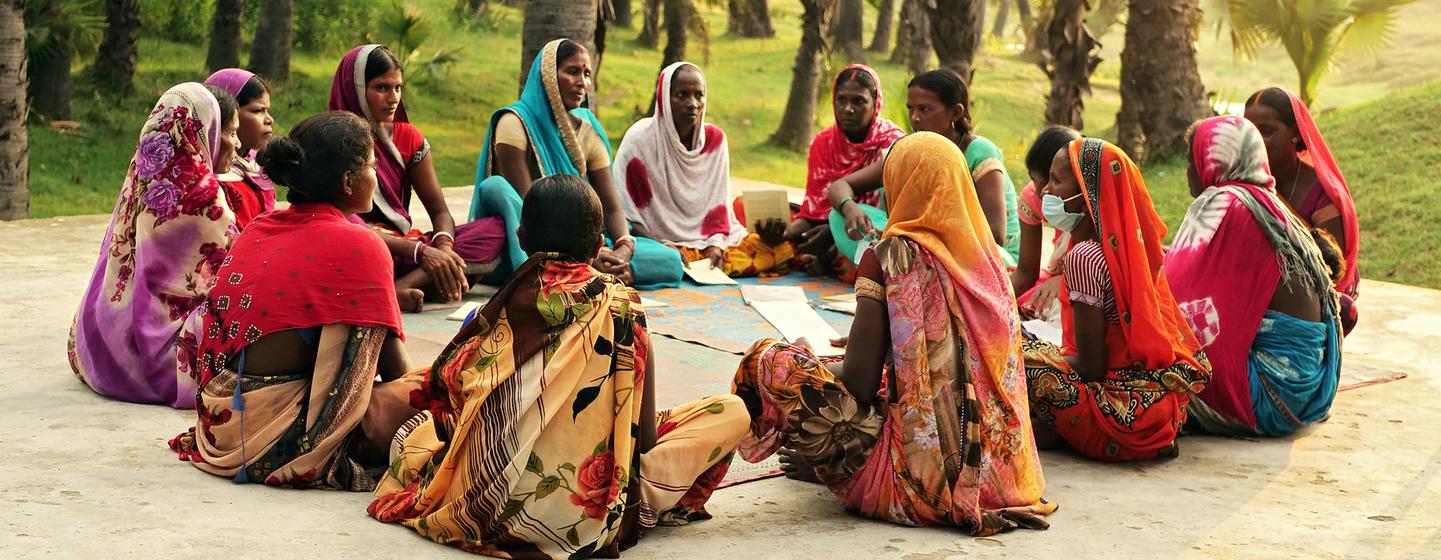
The engagement with the Indian community in Nice is a practical application of what political scientists call “diaspora diplomacy.” Under the current administration, the Indian government has actively sought to transform the diaspora from a passive group of emigrants into an active force of national influence. This strategy is designed to leverage the political, economic, and social capital of Indians living abroad.
This approach manifests in several ways:
First, by maintaining strong emotional and cultural ties, the government ensures that the diaspora remains invested in India’s domestic success. Second, by encouraging professional engagement, the government facilitates “brain circulation,” where skilled expatriates contribute to India’s development through investment, mentorship, and technology transfer.
Third, the diaspora acts as a powerful lobby in their host countries. In France, a country with a strong emphasis on secularism and cultural identity, the ability of the Indian community to integrate while maintaining a distinct cultural pride is seen as a successful model of multiculturalism. This positive perception aids in shaping French public and political opinion in favor of India’s interests on the global stage.
The “memorable welcome” in Nice serves as a visible indicator of this successful engagement. For a visiting head of state, such a reception is a powerful symbol of unity and global reach, signaling to both domestic and international audiences that India’s influence extends far beyond its geographic borders.
Key Takeaways: The India-France Diaspora Dynamic
- Cultural Bridge: The Indian community in Nice acts as a vital cultural and social link between the Mediterranean coast and New Delhi.
- Economic Driver: The diaspora’s growing professional class contributes to the economic integration of Indian interests within the French Republic.
- Strategic Support: Diaspora mobilization supports the broader India-France strategic partnership in defense, space, and energy.
- Soft Power: High-profile receptions like the one in Nice enhance India’s global soft power and diplomatic visibility.
As international relations continue to evolve, the role of the Indian diaspora in France is expected to grow in both scale and strategic importance. The events in Nice underscore a relationship that is increasingly defined by people-to-people connections as much as by government-to-government treaties.
Further updates regarding official bilateral agreements and upcoming diplomatic visits between India and France are expected to be released through the official channels of the French Ministry for Europe and Foreign Affairs and the Indian Ministry of External Affairs.
What are your thoughts on the growing influence of the Indian diaspora in Europe? Share your comments below and share this article with your network.
Worth a look