
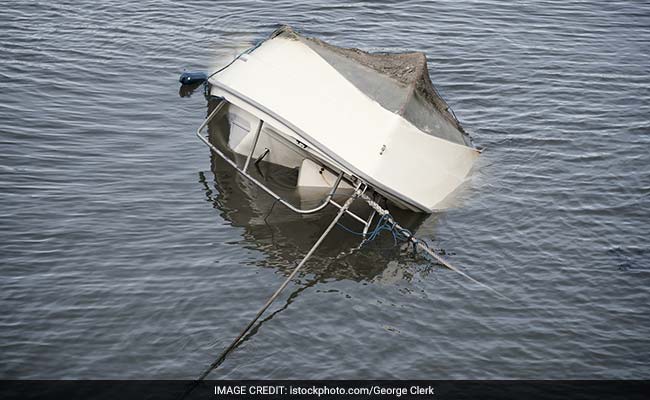
Canoe Capsizes on Uganda’s River Nguse, Dozens Missing
KAMPALA, Uganda – A canoe carrying an estimated 35 to 40 passengers capsized on the River Nguse in western Uganda on Tuesday, April 28, 2026, prompting an ongoing search and rescue operation, police confirmed Wednesday. As of Wednesday afternoon, only one survivor has been identified, leaving the exact number of missing individuals unconfirmed due to the absence of a passenger manifest. The incident underscores the persistent dangers of water transport in the region, often reliant on aging and poorly maintained vessels.
The accident occurred late Tuesday evening on the River Nguse, a waterway near Lake Albert. Ugandan police detailed the ongoing response in a statement posted on X (formerly Twitter), stating that personnel are “conducting search and rescue operations” while simultaneously launching an inquiry into the cause of the capsizing. The official police statement provided the initial details of the incident and the ongoing investigation.
Possible Contributing Factors Under Investigation
Authorities are currently investigating several potential factors that may have contributed to the tragedy. These include the possibility of overloading the canoe, traveling at night – a practice that increases risk – and the overall condition of the vessel itself. The police statement indicated these are key areas of focus for the inquiry. Accidents on Ugandan waterways are, unfortunately, not uncommon, often stemming from the use of older boats that lack adequate maintenance.
The lack of a passenger manifest is significantly hindering efforts to determine the precise number of people missing. This highlights a recurring challenge in documenting passengers on smaller, informal water transport routes. Without a clear accounting of those onboard, rescue teams face difficulties in assessing the scope of the search and providing accurate information to families.
A Pattern of Waterway Accidents in Uganda
This latest incident is part of a concerning pattern of accidents on Ugandan waterways. The country’s reliance on lake and river transport, particularly in remote areas, often means that vessels are operating beyond their capacity and with limited safety measures. Reports from Reuters indicate that transport operators frequently utilize older, inadequately maintained boats, increasing the risk of accidents.

Lake Albert, in particular, has seen numerous tragedies in recent years. The lake’s vastness and often turbulent waters, combined with the use of substandard vessels, create a dangerous environment for passengers. The remoteness of many communities relying on these routes also complicates rescue efforts, often delaying assistance and reducing the chances of survival.
Search and Rescue Operations Continue
Ugandan police are continuing their search and rescue operations on the River Nguse, deploying personnel and resources to locate any remaining survivors. The challenging conditions of the river, including its depth and current, are complicating the search. Local communities are also assisting in the effort, providing boats and manpower to aid in the recovery process.
The focus remains on locating any individuals who may have survived the capsizing and providing them with medical attention. Authorities are also working to identify the missing passengers and notify their families. The investigation into the cause of the accident is expected to continue in the coming days, with a view to preventing similar tragedies in the future.
The Importance of Water Safety Regulations
This incident has renewed calls for stricter enforcement of water safety regulations in Uganda. Advocates are urging the government to invest in improving the safety standards of vessels operating on lakes and rivers, including mandatory inspections, passenger limits and the provision of life jackets.
there is a growing demand for improved training for boat operators and passengers on water safety procedures. Raising awareness about the risks associated with overloading, night travel, and the condition of vessels is crucial to preventing future accidents. The Ugandan government has previously announced plans to modernize its water transport infrastructure, but progress has been slow.
Impact on Local Communities
The capsizing of the canoe is expected to have a significant impact on the local communities that rely on the River Nguse for transportation. The river serves as a vital link for people traveling to markets, schools, and healthcare facilities. The disruption to transport services will likely create hardship for residents, particularly those in remote areas.

The tragedy also raises concerns about the economic consequences of the accident. Many families depend on the river for their livelihoods, and the loss of passengers could have a devastating impact on their income. Support services are needed to assist affected families and help them rebuild their lives.
Next Steps and Ongoing Updates
Ugandan authorities are expected to provide further updates on the search and rescue operation and the investigation into the cause of the capsizing in the coming days. The police have stated that they will release a preliminary report on their findings once the search is complete. Families of the missing passengers are urged to contact local authorities for information and assistance.
The World Today Journal will continue to monitor this developing story and provide updates as they become available. We encourage readers to share their thoughts and condolences in the comments section below.