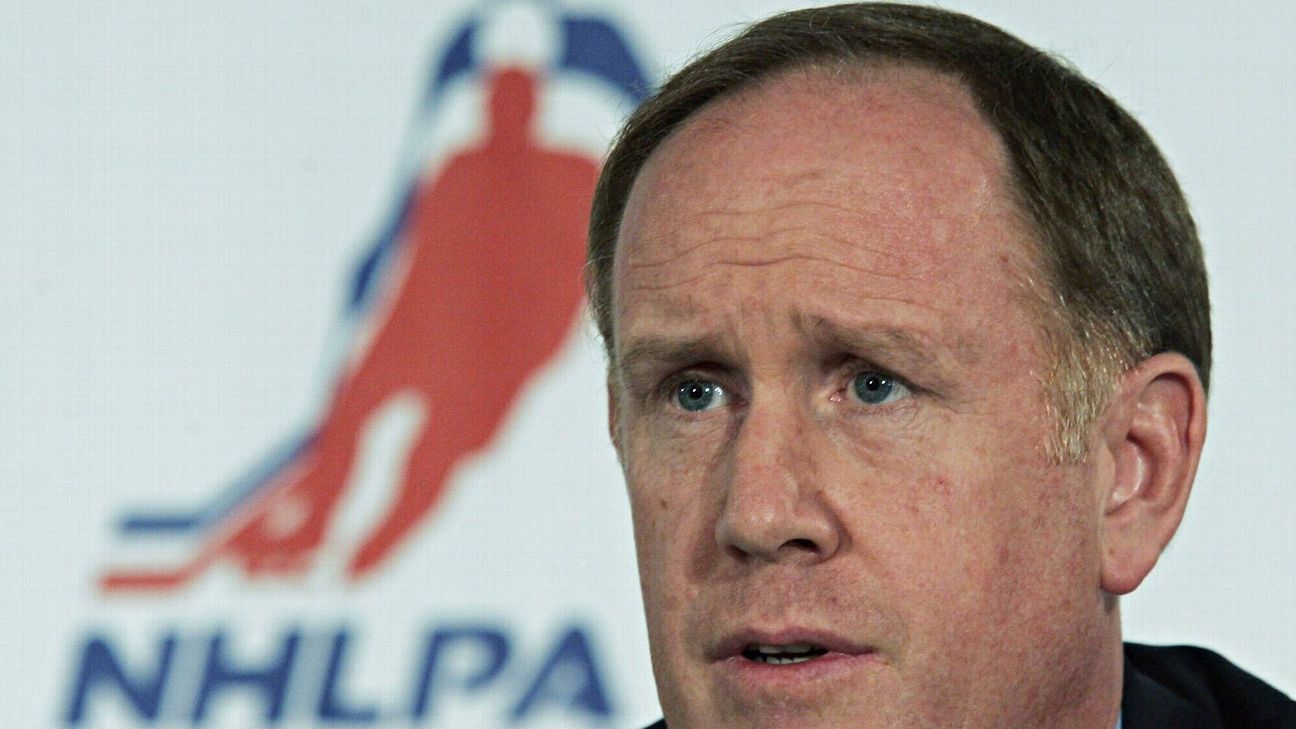
Bob Goodenow: A Legacy of Player Advocacy and Shaping Modern Hockey
Bob Goodenow, a pivotal figure in the evolution of professional hockey, passed away on September 13, 2025, at the age of 72. His leadership as Executive Director of the National Hockey League Players’ Association (NHLPA) fundamentally altered the landscape of player rights and collective bargaining within the NHL. This article delves into Goodenow’s career, his impact during tumultuous labor disputes, and his lasting legacy on the game.
From Harvard Captain to Labor Leader
Goodenow’s journey to becoming a powerful voice for NHL players began on the ice. he was a captain at Harvard University and spent time playing in the minor leagues before transitioning to a career in law. This experience provided him with a unique understanding of the game from both a player’s and a legal viewpoint.
He initially served as a player agent for 14 years, honing his negotiation skills and building relationships within the hockey community.In 1992, he assumed the role of the NHLPA’s second Executive Director, stepping into the position following the departure of Alan Eagleson amidst fraud allegations. This marked a turning point for the union, ushering in an era of increased professionalism and player empowerment.
Navigating Lockouts and Defining Player Rights
Goodenow’s tenure was defined by his unwavering commitment to representing the interests of NHL players, often leading the union through challenging labor negotiations. He skillfully guided the NHLPA through two significant lockouts:
* 1994-95 Lockout: A 103-day dispute centered on the implementation of a salary cap. Owners sought financial control, while players resisted limitations on their earning potential. The season was ultimately shortened to 48 games, but the lockout laid the groundwork for future negotiations.
* 2004-05 Lockout: This was the most impactful labor dispute in NHL history,resulting in the complete cancellation of the season. Goodenow fiercely advocated for the players,ultimately leading to a landmark agreement.
The 2005 agreement, reached after months of contentious negotiations, fundamentally reshaped the NHL’s financial structure. Key outcomes included:
* Implementation of a Salary Cap: A long-sought goal for owners, but with parameters negotiated to protect player interests.
* Establishment of a Salary Floor: Ensuring teams maintained a minimum level of spending, promoting competitive balance.
* Revenue Sharing Agreement: Guaranteeing players 54% of total NHL revenues, solidifying their financial stake in the league’s success.
A Complex Departure and Lasting Impact
Shortly after the 2005 collective bargaining agreement was finalized, Goodenow was asked to step down as NHLPA Executive director. Ted Saskin succeeded him in the role. While the circumstances surrounding his departure remain a subject of discussion, his contributions to the NHLPA and the players he represented are undeniable.
NHL Commissioner Gary Bettman acknowledged Goodenow’s impact, stating he was “a skilled attorney and tenacious advocate.” Goodenow’s leadership transformed the NHLPA into a formidable force, securing significant gains for players and establishing a more equitable relationship between owners and athletes.
Beyond the Headlines: Goodenow’s Enduring Legacy
Bob Goodenow’s influence extends far beyond the negotiation table. He instilled a sense of unity and professionalism within the NHLPA, empowering players to advocate for their rights and shaping the modern era of the NHL. His legacy continues to resonate today, influencing collective bargaining agreements and player-management relations across professional sports.
Evergreen Insights: The Evolution of Player Power in Professional sports
The story of Bob Goodenow is emblematic of a broader trend in professional sports: the increasing power of player unions. Historically,owners held significant control over athletes,dictating terms of employment and limiting earning potential. However, the rise of strong player associations, like the NHLPA under Goodenow’s leadership, has shifted the balance of power.
This evolution has been driven by several factors:
* increased athlete Awareness: Players are more informed about their rights and the value they bring to their respective leagues.
* Legal Representation: Strong unions provide players with access to experienced legal counsel, enabling them to negotiate effectively.
* Collective Bargaining: The ability to negotiate collectively gives players a unified voice and strengthens their bargaining position.
* public Support: Growing public awareness of athlete rights and fair labor practices has created a
Worth a look