
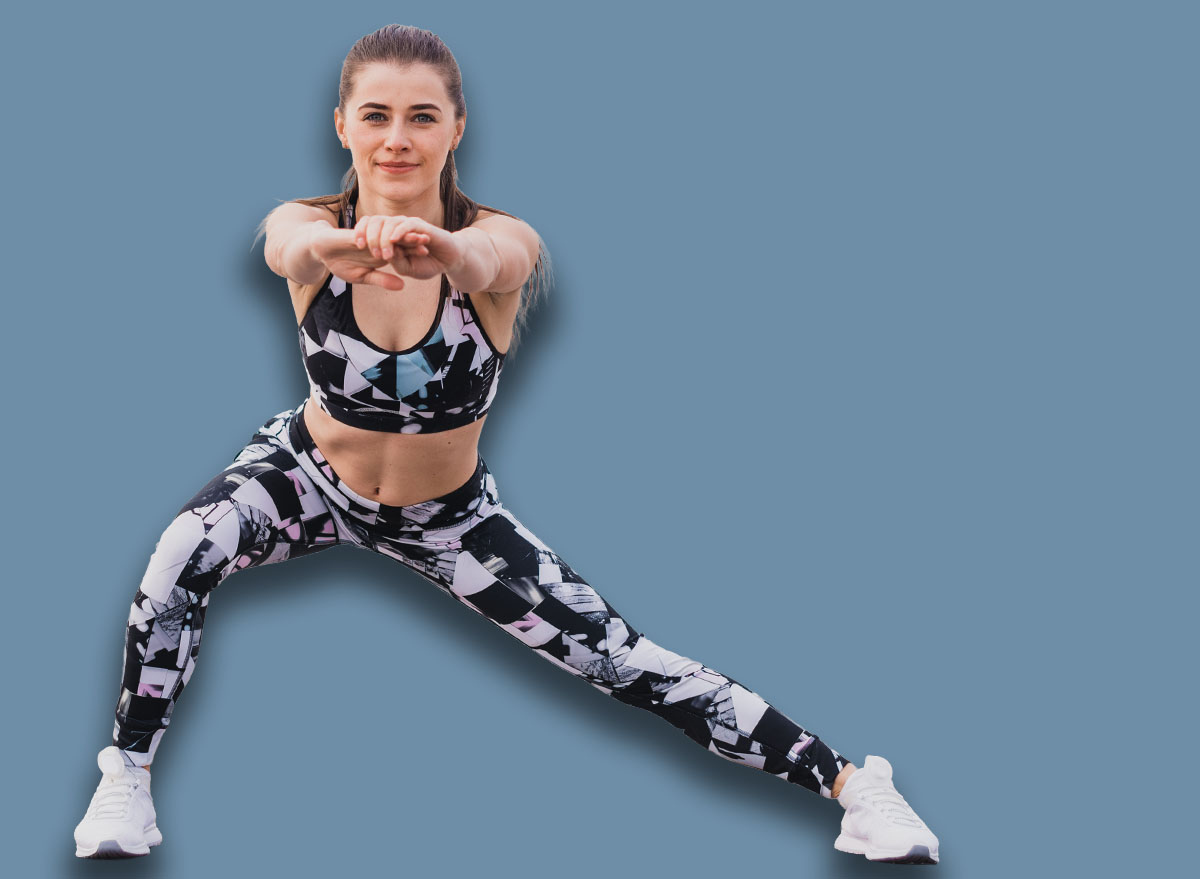
Beyond the Machine: Why bodyweight Exercises Are Your Key to Strength After 50
Are you looking to maintain – or even build – strength as you age? You might be surprised to learn that the most effective tools aren’t necessarily found in a gym filled with machines. In fact,your own bodyweight can be a remarkably powerful resource for building functional strength,improving balance,adn preserving your independence.
Many conventional workout routines heavily rely on machines, but these often isolate muscles and don’t fully prepare you for the demands of everyday life. Let’s explore why bodyweight exercises can be superior, especially after the age of 50, and dive into some effective movements you can start incorporating today.
Why Ditch the Machines?
Machines certainly have their place, but they often fall short in several key areas. Consider these benefits of bodyweight training:
* Joint Stabilization is Key: Bodyweight exercises inherently require you to stabilize your joints throughout the movement, strengthening the surrounding muscles and reducing injury risk.
* Full-Body Engagement: Unlike machines that isolate specific muscles, bodyweight exercises typically engage multiple muscle groups concurrently, leading to more efficient and functional strength gains.
* Balance and Coordination: These exercises challenge your balance and coordination, skills that are crucial for preventing falls and maintaining agility.
* Real-Life Relevance: Bodyweight movements closely mimic the motions you perform daily – lifting, pushing, pulling, and rotating – making you stronger and more capable in your everyday activities.
after 50, maintaining the ability to move well in three dimensions becomes paramount for preserving independence and minimizing the risk of injury.
4 Powerful Bodyweight exercises to Get You Started
Here are four exercises that can form the foundation of a robust bodyweight training program.
1. Squats
Squats are a fundamental movement that builds lower body strength and improves functional mobility.
How to do it:
- Stand with your feet shoulder-width apart, toes slightly outward.
- Lower your hips as if sitting back into a chair, keeping your back straight and core engaged.
Why it works:
* Builds strength and mobility in your hips.
* Challenges your balance and single-leg control.
* Strengthens your glutes, quads, and inner thighs.
* Trains movement patterns not replicated by machines.
Progressions:
* Hold a weight at chest level for added resistance.
* Step deeper and lower into the squat for a greater challenge.
2. Push-Ups
Push-ups are a classic exercise that builds upper body strength and core stability.
How to do it:
- Start in a plank position with your hands shoulder-width apart.
- Lower your chest towards the floor, keeping your body in a straight line.
- Push back up to the starting position.
Why it effectively works:
* Strengthens your chest, shoulders, and triceps.
* Engages your core for stability.
* Can be modified to suit any fitness level.
* Requires no equipment.
Progressions:
* Perform push-ups with your feet elevated.
* try different hand positions to target different muscle groups.
3. Lunges
Lunges are excellent for building lower body strength, improving balance, and enhancing coordination.
how to do it:
- Stand with your feet hip-width apart.
- Step forward with one leg and lower your body until both knees are bent at 90 degrees.
- Push off with your front foot to return to the starting position.
- Alternate legs.
why it effectively works:
* Strengthens your quads, glutes, and hamstrings.
* Improves balance and stability.
* Enhances coordination and proprioception.
* Can be done anywhere.
Progressions:
* Hold dumbbells or kettlebells for added resistance.
* Perform



![Gender-Affirming Care Rule: Risks & Concerns | [Year] Update](https://i0.wp.com/www.statnews.com/wp-content/uploads/2025/12/AP25211634727537-1024x576.jpg?resize=330%2C220&ssl=1 "Gender-Affirming Care Rule: Risks & Concerns | [Year] Update")


![Gender-Affirming Care Rule: Risks & Concerns | [Year] Update](https://i0.wp.com/www.statnews.com/wp-content/uploads/2025/12/AP25211634727537-1024x576.jpg?resize=150%2C100&ssl=1 "Gender-Affirming Care Rule: Risks & Concerns | [Year] Update")


