Egypt’s “Nile” Project: Revolutionizing Medical Training with National Simulation Center
As of December 8th, 2025, Egypt is poised to take a monumental step forward in healthcare education with the progress of its first national medical simulation and clinical training centre, dubbed the “Nile” project. This initiative isn’t merely about building a facility; it’s a strategic investment in the future of Egyptian healthcare, aiming to elevate the skills and competency of medical professionals across the nation. The project’s focus on medical simulation represents a paradigm shift,moving beyond conventional didactic learning towards immersive,hands-on training that directly translates to improved patient outcomes.
the Vision Behind the Nile Project: A Leap Towards Patient Safety
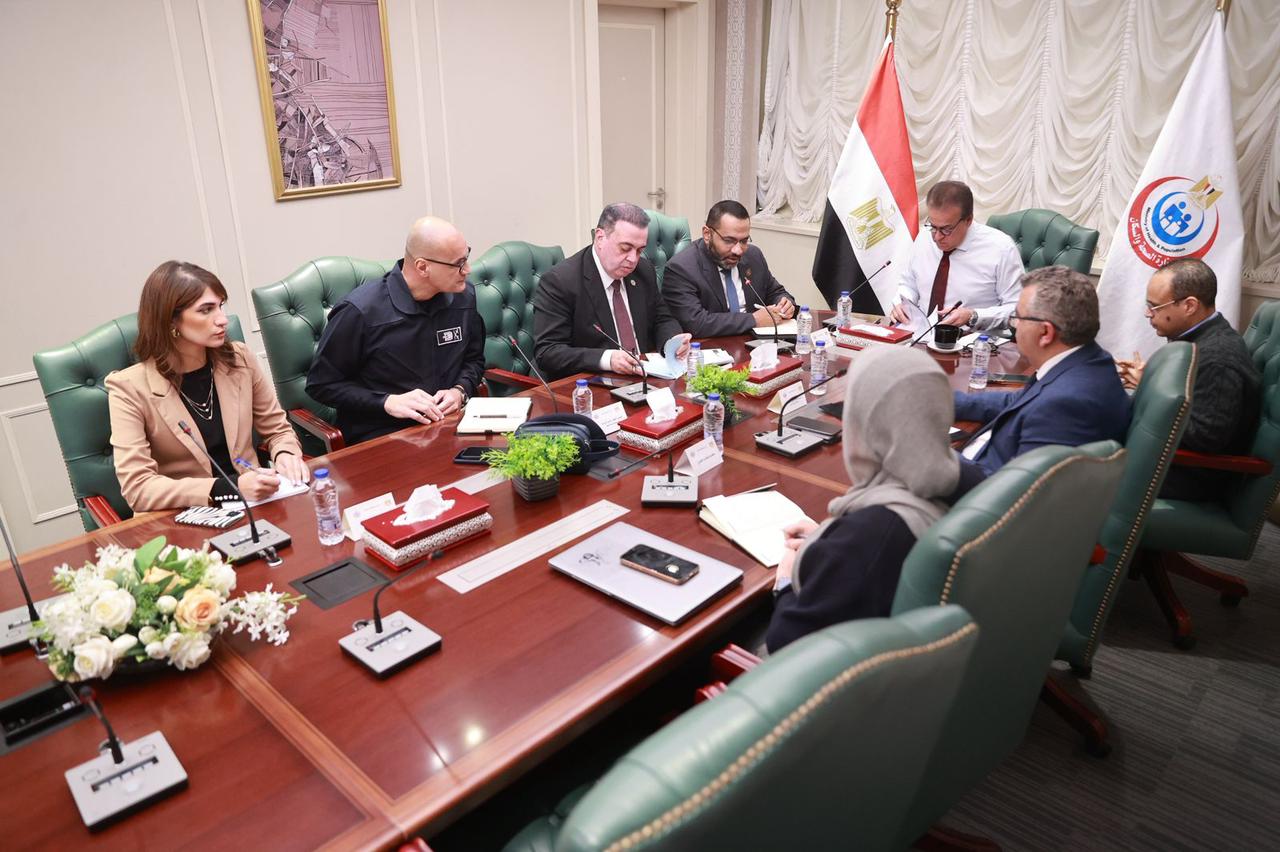
Health Minister Khaled Abdel Ghaffar recently reviewed the project’s progress, describing the centre as a “major leap” in medical education. This sentiment is echoed throughout the Egyptian medical community, where the need for advanced training facilities has been a long-standing concern. The nile project directly addresses this need by providing a realistic, safe environment for healthcare professionals to hone their clinical skills.
The core principle driving this project is the understanding that experience is the best teacher, but in medicine, that experience cannot come at the expense of patient safety. Simulation allows for the repetition of complex procedures, the management of critical scenarios, and the development of teamwork skills - all without risking real-life consequences. This is particularly crucial in specialties like emergency medicine, surgery, and obstetrics, where rapid decision-making and precise execution are paramount.
Inside the Nile Centre: Departments, Technology & Curriculum
The Nile project isn’t a one-size-fits-all training facility. The initial designs, lauded by ministry spokesperson Hossam Abdel Ghaffar for their “modern and professional execution,” outline a multi-departmental centre equipped with cutting-edge clinical skills training technologies. While specific details are still being finalized for presentation to President Abdel Fattah Al-Sisi, key areas of focus include:
* High-Fidelity Simulation suites: These rooms will house advanced patient simulators – manikins capable of exhibiting realistic physiological responses to interventions. These aren’t the static models of the past; modern simulators can breathe, bleed, and even respond to medications.
* Virtual Reality (VR) and Augmented Reality (AR) Labs: VR and AR technologies will provide immersive training experiences for surgical procedures, anatomical studies, and complex diagnostic scenarios. Imagine a surgeon practicing a rare procedure in a virtual environment before ever stepping into an operating room.
* Skills Labs: Dedicated spaces for practicing fundamental clinical skills like intubation, suturing, and catheterization. These labs will utilize task trainers and standardized patients (actors trained to portray specific medical conditions).
* Interprofessional Simulation: A critical component of the Nile project will be training that emphasizes teamwork and interaction between different healthcare disciplines.Simulations will involve doctors,nurses,pharmacists,and other allied health professionals working together to manage patient cases.
* Debriefing Rooms: Equally important as the simulation itself is the debriefing process. Dedicated rooms will allow participants to review their performance, identify areas for improvement, and reinforce learning.
The programs will be based on internationally recognized simulation methodologies, drawing inspiration from leading centres like the Itqan Centre for Excellence and Learning in Qatar, whose director participated in the recent review meeting via video link. This collaboration highlights Egypt’s commitment to adopting best practices in medical education.
Implementation & Sustainability: A Detailed Roadmap
minister Abdel Ghaffar has directed officials to meticulously review all technical and engineering details,update implementation timelines,and develop a comprehensive operational plan. A detailed Arabic-language report outlining construction and equipment costs is also required, alongside a strategy for long-term sustainability. This emphasis on financial planning is crucial; a state-of-the-art facility is only valuable if it can be maintained and updated over time.
The project’s timeline currently calls for two preliminary architectural and functional designs to be completed within one week, followed by presentation to President Al-Sisi for final approval. This expedited timeline underscores the government’s commitment to rapidly advancing medical education in
Worth a look