
Boehringer Ingelheim Korea and the Korea Medical Institute (KMI) have entered into a strategic partnership to establish a specialized health management system for patients suffering from obesity and metabolic diseases. The collaboration aims to integrate clinical medical expertise with systematic health monitoring to improve long-term outcomes for individuals managing complex metabolic conditions, according to the official joint statement released by the organizations.
This initiative represents a significant shift toward proactive, data-driven health management in South Korea. By combining Boehringer Ingelheim’s pharmaceutical research in metabolic health with KMI’s extensive network of health screening centers, the partnership intends to bridge the gap between initial diagnosis and ongoing therapeutic management. As medical professionals, we recognize that the primary challenge in treating metabolic syndrome—which often includes hypertension, diabetes, and dyslipidemia—is the continuity of care after the initial screening phase.
Addressing the Rising Burden of Metabolic Diseases
The prevalence of obesity and related metabolic disorders has seen a steady increase in South Korea over the past decade. According to the Korea Disease Control and Prevention Agency (KDCA), the national obesity rate has climbed consistently, placing a greater strain on the healthcare system and increasing the incidence of secondary cardiovascular complications. Metabolic diseases are not isolated conditions; they are systemic issues that require a multidisciplinary approach, often involving weight management, blood glucose control, and lipid profile optimization.
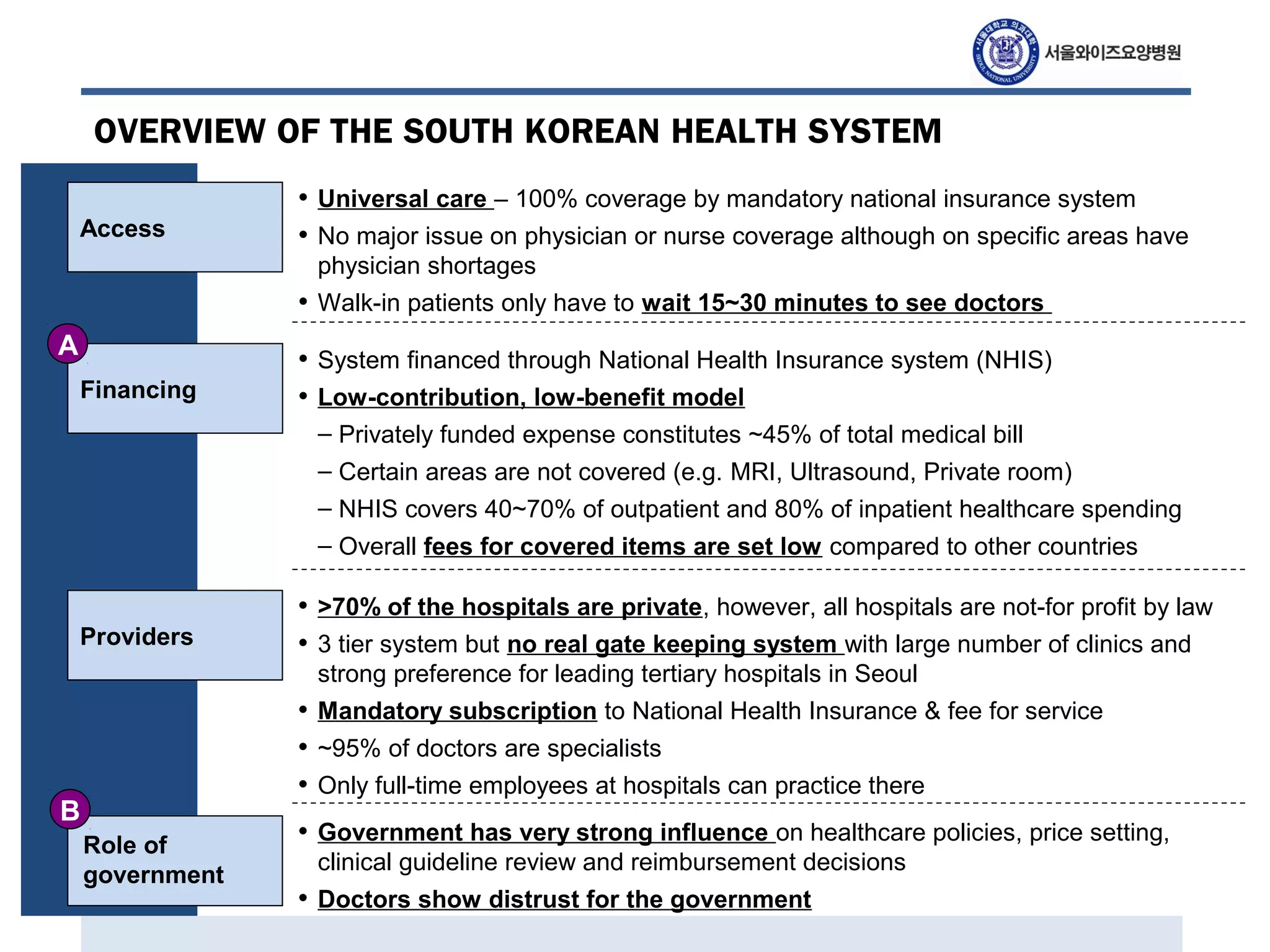
The partnership between Boehringer Ingelheim and KMI focuses on creating a seamless pathway for patients. KMI, which operates multiple health examination centers nationwide, provides a large-scale platform for early detection. Boehringer Ingelheim, a global pharmaceutical firm with a strong presence in the South Korean market, brings specialized knowledge regarding the treatment of cardiometabolic diseases, including chronic kidney disease and Type 2 diabetes. By aligning these resources, the organizations intend to offer patients more than just diagnostic results; they aim to provide actionable health management protocols.
The Mechanics of the Integrated Management System
Under the terms of the agreement, the two entities will focus on three core pillars: advanced screening protocols, patient education, and long-term monitoring. The integration of clinical data is expected to help medical staff identify high-risk individuals earlier in the progression of metabolic syndrome. Early intervention is widely documented in medical literature as the most effective method for preventing irreversible organ damage associated with prolonged hyperglycemia and hypertension.

Health management systems of this nature rely heavily on patient engagement. The collaboration will likely utilize digital health tools to monitor patient progress, ensuring that those identified as high-risk during their KMI check-ups remain connected to professional medical support. This model mirrors international best practices for chronic disease management, where the focus shifts from episodic care to continuous, longitudinal health tracking, as recommended by the World Health Organization (WHO) regarding the management of non-communicable diseases.
Impact on Clinical Practice and Patient Outcomes
For the average patient, this partnership signifies a more structured approach to health. Often, patients undergoing a health screening receive a list of concerning markers—such as elevated HbA1c or body mass index (BMI)—but lack a clear roadmap for what happens next. The collaboration aims to mitigate this by providing a pathway that links diagnostic findings directly to evidence-based management strategies.
The clinical importance of such a system cannot be overstated. Metabolic diseases are often “silent,” meaning patients may not experience overt symptoms until significant physiological changes have occurred. By embedding specialized metabolic health management into the existing KMI screening infrastructure, the partnership increases the likelihood that patients will receive timely counseling and treatment recommendations. This preventative focus is essential for reducing the long-term economic and personal burden of chronic illness in the aging South Korean population.
Future Outlook and Scheduled Developments
Both Boehringer Ingelheim and KMI have indicated that this partnership is a long-term commitment. While the initial phase focuses on establishing the framework for the integrated management system, future developments will likely include the expansion of screening parameters and the introduction of new patient support programs based on emerging clinical data. Medical professionals and patients should look for updates via the official KMI portal and Boehringer Ingelheim’s corporate communications channels.
As this health management system evolves, the success of the program will be measured by its ability to improve patient adherence to treatment and, ultimately, the reduction of metabolic-related complications in the participating patient population. We will continue to monitor these developments as they transition from pilot phases to broader implementation. If you have experience with integrated health management systems or questions regarding metabolic disease screening, please share your thoughts or professional insights in the comments section below.
Worth a look