
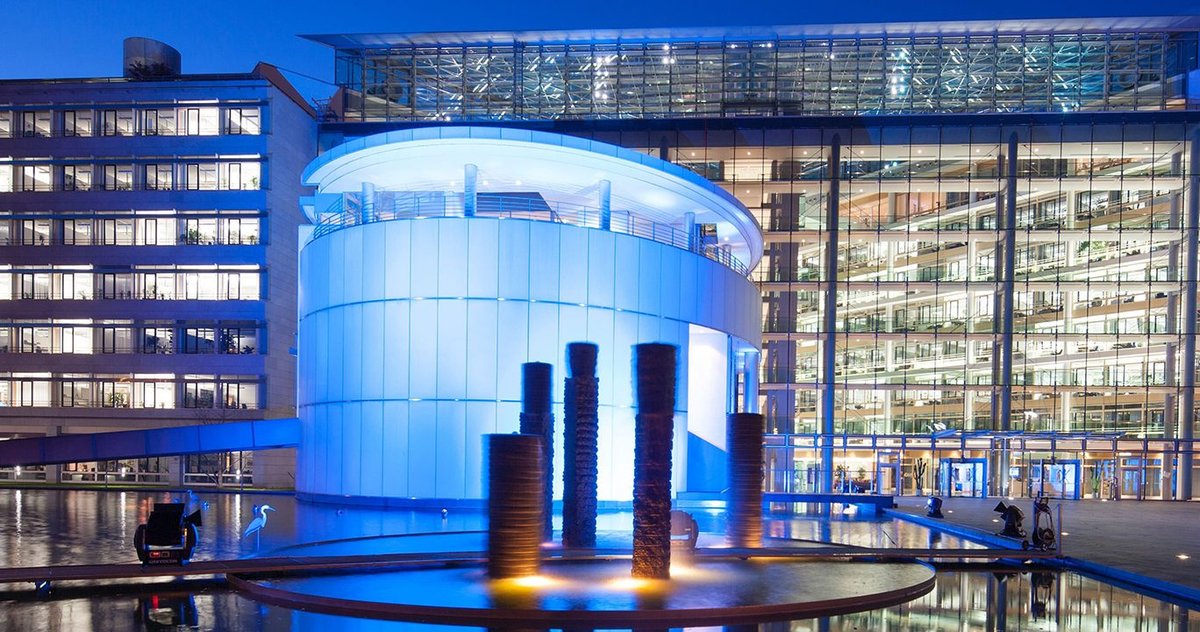
German pharmaceutical giant Boehringer Ingelheim has announced the opening of a recent artificial intelligence and machine learning center in London, marking a significant expansion of its global computational innovation footprint. The facility, located in the King’s Cross Knowledge Quarter, will focus on accelerating drug discovery by applying AI to enhance disease understanding, identify promising biological mechanisms, and develop targeted therapies. This move underscores the company’s commitment to integrating advanced technologies into its research and development processes to address unmet medical needs more efficiently.
The new center is part of Boehringer Ingelheim’s broader strategy to invest heavily in AI-driven drug discovery over the next decade. Company officials have indicated that up to £150 million (approximately $229 million) could be allocated toward AI and machine learning initiatives across its global R&D operations by 2036. This funding aims to strengthen the company’s capabilities in areas such as human genetics, computational biology, and generative AI models for molecular design, positioning Boehringer Ingelheim at the forefront of AI-enabled pharmaceutical innovation in Europe.
Situated within London’s Knowledge Quarter—a hub that brings together leading academic institutions, research organizations, and technology companies—the AI center will benefit from close collaboration with partners in life sciences and data science. The location provides access to a rich ecosystem of expertise in artificial intelligence, machine learning, and biomedical research, which Boehringer Ingelheim aims to leverage to improve the speed and success rate of bringing new treatments to patients. By establishing a presence in this innovation district, the company seeks to tap into local talent pools and foster partnerships that could accelerate breakthroughs in areas like immunology, oncology, and cardiovascular disease.
Boehringer Ingelheim’s expansion into the UK reflects a growing trend among major pharmaceutical companies to establish AI-centric research hubs in cities with strong technological and academic infrastructure. London, in particular, has emerged as a attractive destination for such investments due to its world-class universities, supportive government policies for life sciences innovation, and concentration of AI expertise. The company’s decision to locate the center in King’s Cross aligns with broader efforts to revitalize the area as a destination for knowledge-intensive industries, following significant public and private investment in infrastructure and research facilities over the past decade.
The AI and machine learning center will initially focus on recruiting specialized talent, with plans to hire up to 50 experts in data science, AI, and related fields within the first year of operation. These professionals will work on developing and applying advanced algorithms to analyze complex biological data, predict drug-target interactions, and optimize clinical trial designs. By harnessing the power of machine learning to identify patterns in vast datasets that may be imperceptible through traditional methods, Boehringer Ingelheim hopes to increase the likelihood of success in its drug discovery pipeline while reducing time and costs associated with early-stage research.
This initiative builds on Boehringer Ingelheim’s existing investments in computational innovation across its global sites in Austria, Germany, and the United States. The London center will become part of an interconnected network of AI research facilities that share insights, methodologies, and technological advancements to drive collective progress in drug development. Company leaders have emphasized that the integration of AI is not intended to replace scientific expertise but rather to augment it—providing researchers with powerful tools to generate hypotheses, validate findings, and create more informed decisions throughout the R&D lifecycle.
Industry analysts note that the application of AI in pharmaceutical research holds particular promise for addressing complex diseases where traditional approaches have yielded limited results. By enabling researchers to explore novel biological targets and repurpose existing compounds more efficiently, AI has the potential to unlock new therapeutic avenues for conditions with high unmet need. Boehringer Ingelheim’s focus on targeted therapies—treatments designed to interact specifically with certain molecules or pathways involved in disease—aligns well with the precision medicine approach that AI can help enable through detailed patient stratification and biomarker discovery.
As the center becomes operational, Boehringer Ingelheim will be expected to share updates on its progress through scientific publications, conference presentations, and collaborations with academic partners. While specific timelines for delivering AI-discovered drug candidates have not been disclosed, the company has stated that the long-term goal is to translate computational insights into tangible improvements in patient outcomes. Stakeholders in the pharmaceutical and technology sectors will be watching closely to see how this investment contributes to the evolving landscape of AI-driven innovation in drug discovery.
For those interested in following developments related to Boehringer Ingelheim’s AI initiatives in London, the company regularly publishes updates through its official website and press releases. Additional information about the Knowledge Quarter and its member institutions can be found through the area’s official partnership website, which provides details on ongoing research collaborations, events, and innovation programs. As the field of AI in healthcare continues to evolve rapidly, such transparent communication will be key to building trust and demonstrating the real-world impact of these technological investments.