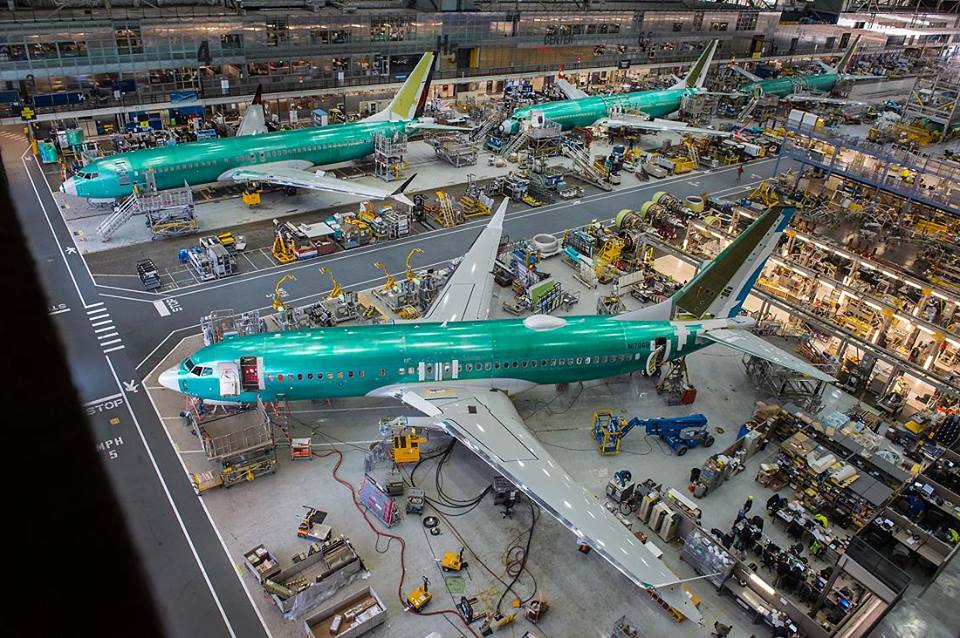
Boeing is navigating a critical period of operational recalibration as the aerospace giant works to stabilize its production output. Recent reports indicate that the company is preparing to increase the production rate of its 737 MAX aircraft from 42 to 47 units per month, a move that signals a significant step forward in the manufacturer’s effort to restore higher output levels following extensive regulatory oversight.
For investors and aviation stakeholders, this shift represents more than just a logistical adjustment. It marks a potential turning point in the company’s relationship with the Federal Aviation Administration (FAA). The agency has maintained stringent quality and safety requirements for Boeing’s production lines, particularly following safety concerns that led to heightened scrutiny of the 737 program. According to official company statements, Boeing is currently focused on its comprehensive action plan to strengthen safety and quality across its global manufacturing footprint.
Operational Adjustments and Regulatory Oversight
The path to increasing production to 47 aircraft per month is tied directly to the company’s ability to meet rigorous FAA mandates. The aerospace industry operates under a complex framework of safety certifications and oversight, where production volume is often secondary to the strict adherence to established safety protocols. Boeing, as a top U.S. Exporter, holds a unique position in the global supply chain, and its ability to ramp up production has broad implications for airline partners worldwide.
The 737 MAX remains a cornerstone of Boeing’s commercial airplane division. The company continues to invest in the design, efficiency, and value of its commercial fleet, which serves customers in more than 150 countries. While the transition toward a higher monthly production rate is a positive indicator for the company’s internal growth targets, it remains contingent upon ongoing evaluations of manufacturing processes and quality control systems.
Market Sentiment and Financial Context
Financial markets have responded to news of the potential production increase with notable interest. When news of regulatory progress emerges, it frequently influences trading activity, reflecting the high stakes involved in Boeing’s recovery. As of the end of 2025, the company reported total assets of US$168.2 billion, underscoring the scale of the organization’s financial footprint, as noted in publicly available financial filings.

The broader context for Boeing involves navigating the complexities of a post-merger corporate structure—having combined with McDonnell Douglas in 1997—and managing a vast workforce that totaled 182,000 employees as of the end of 2025. The company’s leadership, currently under President and CEO Kelly Ortberg, continues to prioritize the integration of safety initiatives while balancing the demands of its diverse product lines, which span commercial aviation, defense, and space systems.
Strategic Focus: Commercial and Defense Diversification
While the 737 MAX production rate garners significant attention, Boeing’s operational scope remains vast. The company’s portfolio includes the 787 Dreamliner and the 777X in the commercial sector, alongside defense products such as the MQ-28 Ghost Bat and the KC-46 Pegasus. This diversification is a key part of the company’s strategy to maintain its status as a leading global aerospace entity.
The company also continues to push the boundaries of aviation technology. Recent test flights, such as those conducted by the MQ-25A Stingray, highlight Boeing’s ongoing commitment to innovation. By focusing on both established commercial workhorses and next-generation autonomous systems, the company aims to sustain its competitive edge in a global market that demands both high safety standards and technological advancement.
What Lies Ahead
Looking forward, the focus for Boeing remains on consistent execution. The company has articulated a clear purpose: to connect, protect, and explore the world. Achieving the target of 47 aircraft per month will require sustained operational discipline and continued cooperation with regulators. Investors and industry observers will be watching for the next official production updates, which are typically provided through company filings and regulatory communications.
As we move through the remainder of 2026, the industry will be closely monitoring how these production adjustments influence the broader delivery timelines for airline customers. For those following these developments, the best source for definitive information remains the official Boeing newsroom, which provides the most accurate data regarding production milestones and corporate strategy.
What are your thoughts on Boeing’s current production trajectory? Join the conversation in the comments below and share this article with your network to keep the discussion going.