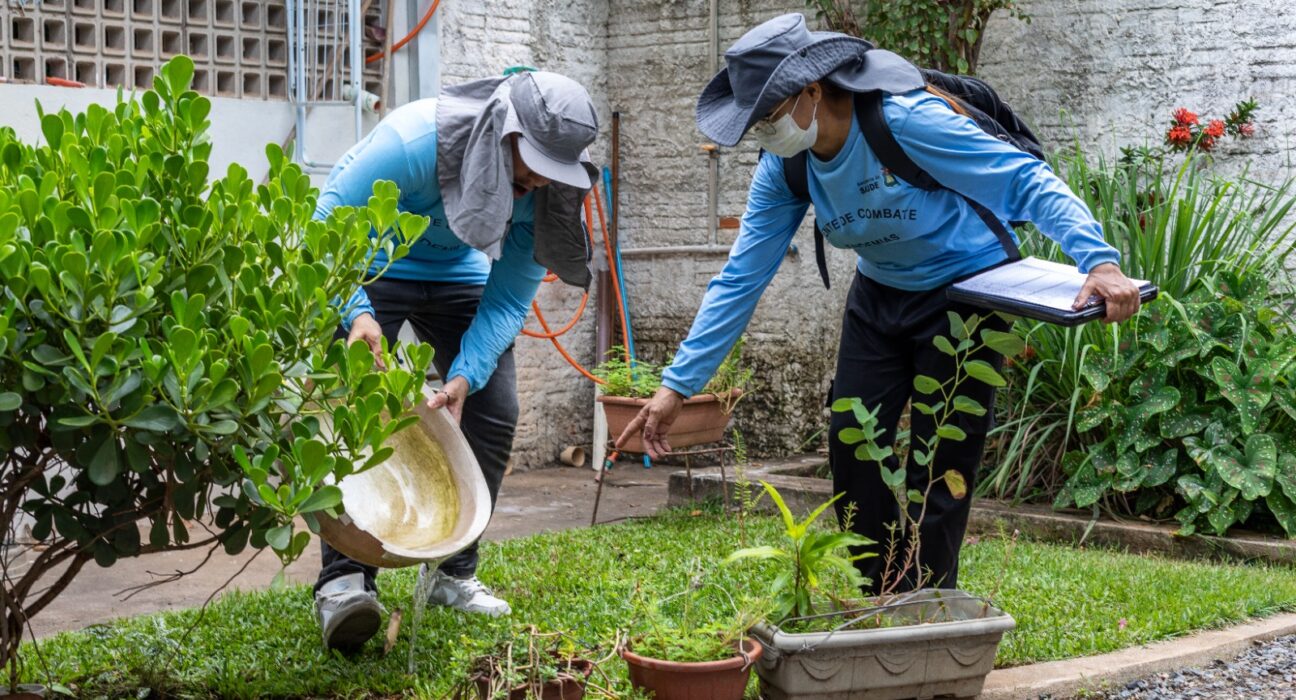
Cuiabá, the capital of Mato Grosso, has recorded a significant reduction in dengue and chikungunya cases during the early months of 2026. Official epidemiological data indicates that aggressive vector control measures and shifts in climatic conditions have contributed to a lower incidence of these arboviral diseases compared to the same period in previous years, according to local health surveillance reports.
Epidemiological Trends in Mato Grosso
Public health authorities in Cuiabá have observed a downward trajectory in the transmission of mosquito-borne illnesses. The reduction is largely attributed to intensified efforts by the Municipal Health Secretariat to eliminate Aedes aegypti breeding sites, coupled with a more targeted approach to environmental sanitation. According to the Brazilian Ministry of Health, sustained vigilance remains necessary even during periods of declining transmission, as environmental factors in the Center-West region can rapidly shift to favor mosquito proliferation.
While the current data reflects a positive trend, health officials emphasize that the fight against dengue and chikungunya is ongoing. The Mato Grosso State Health Department continues to coordinate with municipal teams to ensure that residential inspections and chemical control activities, such as fogging in high-risk zones, are conducted based on real-time mapping of infestation indices.
Understanding the Shift in Arboviral Transmission
The decline in reported cases involves several variables, ranging from public policy to meteorological patterns. Dengue and chikungunya share the same primary vector, the Aedes aegypti mosquito, which thrives in urban environments where standing water is available for egg-laying. By focusing on the removal of stagnant water in residential backyards and construction sites, city officials have aimed to disrupt the mosquito life cycle at its source.
In addition to physical removal efforts, public awareness campaigns have played a role in the decrease. Residents are encouraged to monitor their properties for potential breeding grounds, such as discarded tires, plant saucers, and uncovered water tanks. These community-led initiatives are considered essential components of the Pan American Health Organization (PAHO) framework for integrated vector management, which advocates for local engagement to reduce the reliance on chemical insecticides.
Public Health Guidance and Next Steps
Despite the current drop in cases, the risk of seasonal outbreaks persists. The Brazilian Unified Health System (SUS) advises citizens to seek medical attention immediately if they experience symptoms such as high fever, severe headache, joint pain, or skin rashes. Early clinical diagnosis is critical for managing potential complications, particularly for vulnerable populations such as the elderly or those with underlying health conditions.
Looking ahead, the next official evaluation of the epidemiological situation in Cuiabá is expected following the upcoming quarterly review of mosquito infestation rates. Health authorities will use this data to determine if further resource allocation is required for the remainder of the year. Residents are encouraged to check the official Cuiabá Municipal Government portal for the latest updates on disease prevention and scheduled health interventions in their respective neighborhoods.
We invite our readers to share their thoughts on local health initiatives and stay informed by following our ongoing coverage of public health developments in the region. Your engagement helps foster a more proactive and informed community response to seasonal health challenges.
Keep reading