Unraveling the Mysteries of an Ancient Mummified Head: A Unique Case of Cranial Modification adn Surgical Attempt
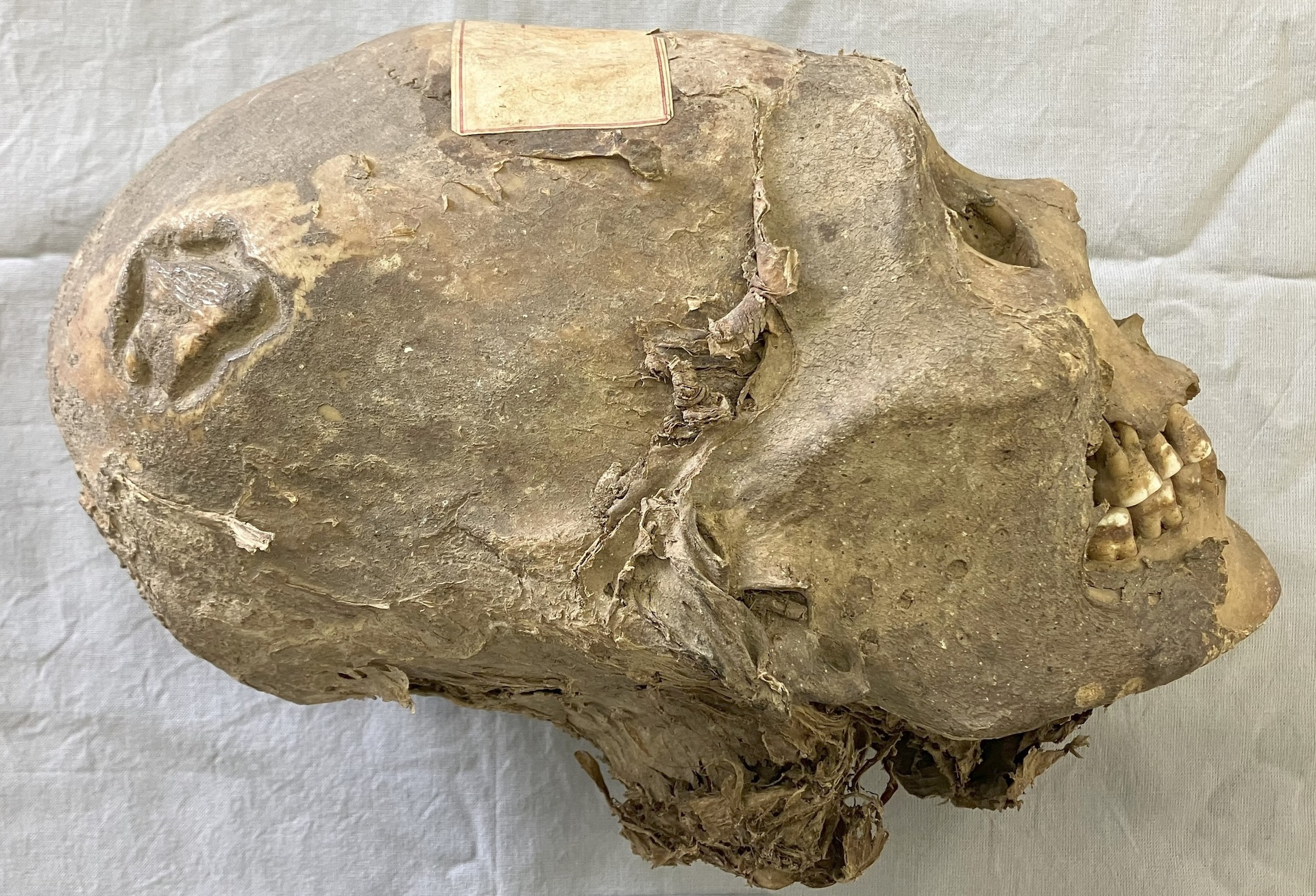
The study of ancient remains offers a fascinating glimpse into the lives, beliefs, and practices of our ancestors. Recently, researchers have been meticulously analyzing a mummified head, revealing a compelling story of intentional cranial modification and a surprisingly interrupted surgical procedure. This case presents a unique combination of practices,prompting questions about the individual’s life and the cultural context surrounding their treatment.
Respecting the Past: Non-Invasive Analysis
Researchers prioritize ethical considerations when studying human remains,especially those without documented consent for inquiry. Therefore, they deliberately employed only non-invasive analytical techniques. This approach contrasts with methods like radiocarbon dating, which often necessitate some degree of material sampling - potentially cutting, scraping, or drilling into the artifact itself.
It’s crucial to respect the dignity of the deceased,and in this instance,the team felt it was paramount to align their methods with what the individual might have desired. Destructive testing, such as isotopic or DNA analysis, could yield more precise data. However, the decision regarding such procedures should rightfully rest with communities connected to the individual.
A History Etched in Bone
The mummified head currently resides within a museum collection, though it isn’t presently on public display.While no requests for repatriation have been received, the museum remains open to considering such inquiries.
The head exhibits two significant alterations: intentional cranial deformation and an attempted trepanation. Cranial deformation, the practice of artificially shaping the skull, was common in many ancient cultures for aesthetic, social, or ritualistic reasons. Trepanation,the surgical procedure of making a hole in the skull,was practiced across diverse societies,frequently enough believed to treat head injuries,mental illness,or facilitate spiritual experiences.
A Rare Combination
Paleopathologists specializing in ancient skeletal remains have noted the unusual nature of this find. One expert, who has extensively researched trepanations and cranial deformations, stated she had never encountered a case presenting both modifications together.
This combination raises intriguing questions about the individual’s status and the motivations behind these procedures. The absence of obvious trauma suggesting a need for trepanation leads to speculation that the procedure may have been performed for ritualistic or social purposes.
Why Was the Surgery Stopped?
Perhaps the most perplexing aspect of this case is the incomplete trepanation. The surgical attempt was initiated but never finished, leaving researchers to ponder the reasons.
Several possibilities exist:
* Voluntary Cessation: As one expert playfully suggested, the individual may have simply changed their mind mid-procedure.
* Interruption: An external factor, such as illness or unforeseen circumstances, could have halted the operation.
* Complications: Early signs of complications might have prompted the surgeon to stop.
Ultimately, the reason remains a mystery, lost to the passage of time.
Looking Ahead: Collaboration and Respect
This remarkable find underscores the importance of interdisciplinary collaboration in archaeological research. It also highlights the ethical responsibility to approach ancient remains with respect and sensitivity.
As we continue to learn from the past, it’s vital to remember that these are not simply artifacts, but the remains of individuals who once lived, breathed, and experienced the world – just like you and me. Further research, conducted in collaboration with relevant communities, will undoubtedly shed more light on the story of this fascinating mummified head and the culture that shaped it.