Bone Broth Trend Gains Popularity Among Influencers, Experts Weigh In
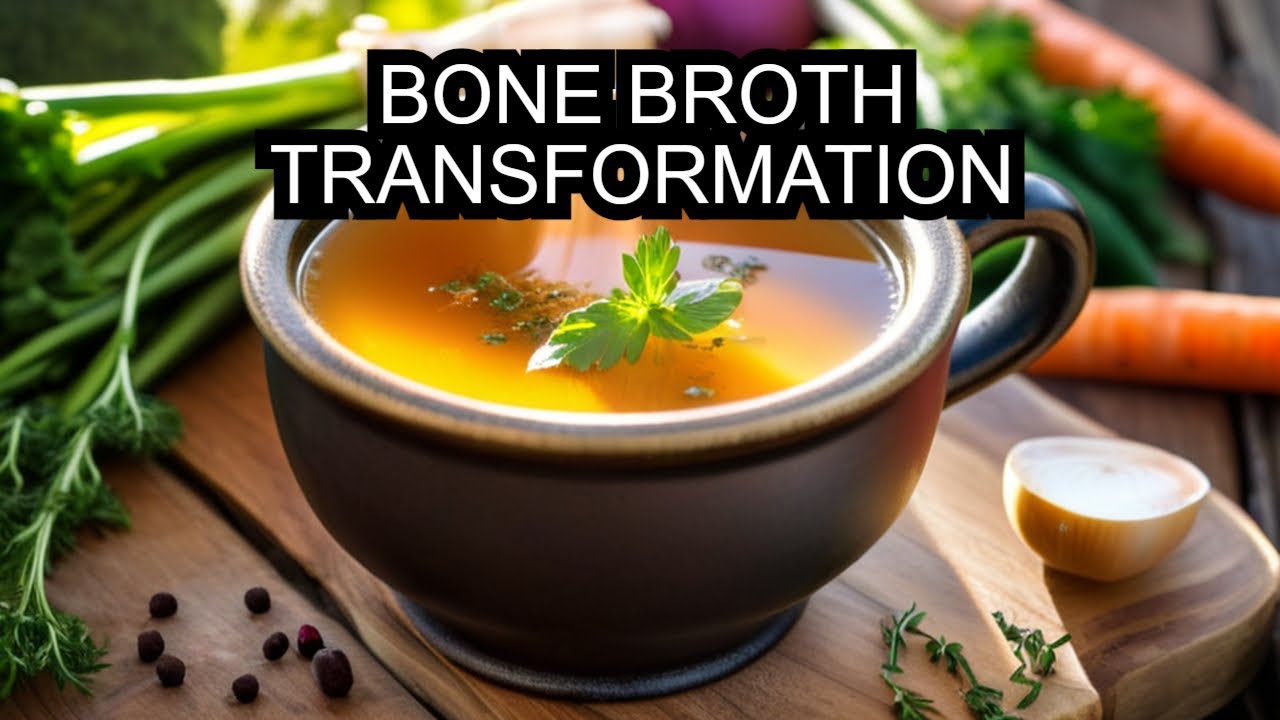
Bone broth has resurfaced as a wellness staple, with social media influencers promoting it for energy and glowing skin. The trend, highlighted in recent lifestyle coverage, positions the traditional simmered stock as a modern health tonic. While enthusiasm grows online, health professionals urge caution, noting that many claimed benefits lack robust scientific backing.
One expert quoted in Dutch media acknowledged that while influencers swear by bone broth for vitality and complexion, there is one potential advantage worth considering: its role in supporting hydration and electrolyte balance, particularly when consumed warm as part of a balanced diet. This nuanced take reflects a broader debate about the value of traditional foods in contemporary wellness culture.
The renewed interest in bone broth echoes a larger movement where ancestral practices are reinterpreted through today’s health and beauty lenses. From homemade simmering pots to bottled versions sold in cafes, the drink has become visible across platforms like Instagram and lifestyle sections of European newspapers.
What Is Bone Broth and How Is It Made?
Bone broth is prepared by simmering animal bones and connective tissue — typically from beef, chicken, or fish — for extended periods, often 12 to 24 hours. This prolonged cooking is believed to extract collagen, amino acids like glycine and proline, and minerals such as calcium and magnesium. Proponents suggest these compounds may support joint health, gut integrity, and skin elasticity.
Still, nutritional scientists emphasize that the body breaks down dietary collagen into amino acids regardless of source, and there is no direct evidence that consuming collagen improves skin texture or boosts energy levels more than other protein-rich foods. The perceived benefits may stem from the warm, savory nature of the drink, which can promote mindful consumption and hydration.
Hydration and Electrolytes: The One Credible Benefit
Among the claims surrounding bone broth, its contribution to fluid and electrolyte intake stands as the most substantiated. When made with bones and a little amount of vinegar to aid mineral extraction, the broth can contain sodium, potassium, and other electrolytes — especially if seasoned thoughtfully. For individuals who struggle to drink enough water, a warm cup of broth may serve as a palatable alternative that supports daily hydration goals.
This aligns with guidance from nutrition experts who recommend incorporating soups and broths into diets, particularly during illness or colder months, as a way to maintain fluid balance. Unlike sugary sports drinks or caffeinated beverages, unsweetened bone broth offers a low-sugar option that can contribute to overall nutrient intake without spiking blood glucose.
Influence of Social Media on Wellness Trends
The rise of bone broth as a trend illustrates how social media amplifies traditional foods into viral wellness phenomena. Influencers often share personal routines involving morning broth consumption, linking it to increased energy and clearer skin. These narratives, while compelling, are typically anecdotal and not backed by clinical trials.

Health communicators warn that such trends can oversimplify complex topics like nutrition and skin health. Factors including genetics, sleep, stress, and overall diet play far larger roles in complexion and vitality than any single food item. Promoting bone broth as a miracle solution may distract from evidence-based habits like balanced eating, regular exercise, and adequate sleep.
Expert Advice: Approach Trends with Critical Thinking
Nutrition professionals encourage consumers to view trends like bone broth with curiosity but also skepticism. Rather than relying on influencer testimonials, individuals are advised to look for consistent patterns in peer-reviewed research. When considering additions to their diet, they should prioritize whole foods and consult registered dietitians for personalized guidance.
For those who enjoy bone broth, incorporating it as part of a varied diet poses little risk and may offer comfort and hydration benefits. However, it should not replace medical advice or be viewed as a treatment for specific conditions. As with any wellness trend, moderation and context matter.
The conversation around bone broth reflects a broader cultural interest in reconnecting with food traditions while navigating the influence of digital media on health perceptions. Continued dialogue between traditional knowledge and scientific evaluation can help consumers make informed choices that support long-term well-being.
Stay informed about nutrition trends by following updates from reputable health organizations and registered dietitians. Share your thoughts on traditional foods in modern diets in the comments below, and consider sharing this article with others interested in evidence-based wellness.
Worth a look