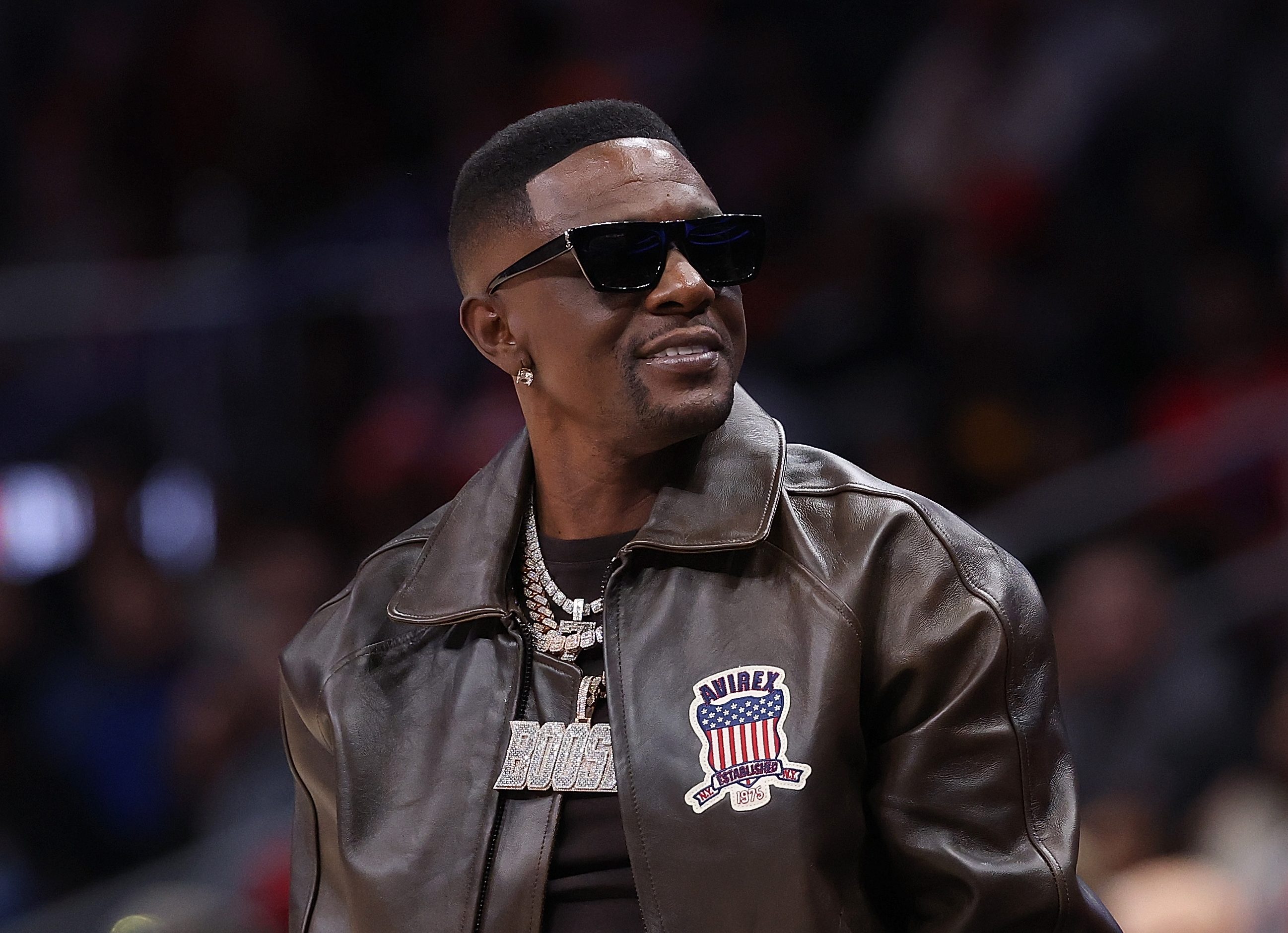
Rapper Boosie Badazz, born Torence Ivy Hatch Jr., has faced renewed public scrutiny following a viral social media exchange regarding the guest list for an upcoming event. The Baton Rouge native, known for his long-standing career in Southern hip hop, recently addressed online backlash after a screenshot circulated on social media platforms showing him explicitly stating that transgender women would not be permitted to attend his planned topless pool party.
The controversy began when an Instagram user reportedly messaged the rapper to inquire about event access, specifically asking if transgender individuals were welcome. In the widely shared screenshot, the rapper responded with a dismissive comment, asserting that transgender women were not allowed at the gathering. As the exchange gained traction, the artist took to his social media channels to defend his stance, framing the decision as an exercise of his right to set rules for his own private event.
This incident is not the first time the rapper has been at the center of public debate regarding his comments on the LGBTQ+ community. Throughout his career, which spans over two decades under labels such as Trill Entertainment and his own Bad Azz Music Syndicate, Hatch has frequently engaged in unfiltered public discourse, often drawing sharp divides in opinion among his fanbase and the broader public.
Defending the Guest List: Rapper’s Rationale
In response to the growing criticism, the rapper publicly doubled down on his exclusion policy. Drawing a comparison to private business practices, he likened his event’s rules to standard policies found in other venues, such as stadiums that mandate clear bags or restaurants that enforce dress codes, including bans on ripped jeans. He argued that event organizers have the autonomy to dictate the environment of their establishments.
The rapper further stated that his decision was also motivated by a desire to protect the reputations of high-profile guests expected to attend the event. He suggested that as the host, he is responsible for maintaining a specific atmosphere and standard for his attendees. “If I’m not going for it, I’m not going for it. Simple as that! I’m protecting people’s reputation,” he stated during his online address.
Hatch also criticized what he characterized as a double standard in public discourse, suggesting that while the LGBTQ+ community has advocated for its own rights for years, those same individuals are now attempting to “bully” others into compliance with their views. He questioned why he was being targeted for his personal preferences when, in his view, he has remained consistent in his public persona.
Public Reaction and Social Media Debate
The conversation surrounding the rapper’s comments reflects a broader, ongoing cultural divide. Following the emergence of the videos where he addressed the controversy, social media users were quick to weigh in, with opinions appearing deeply polarized. Many supporters of the rapper emphasized the concept of private ownership, arguing that an individual has the absolute right to curate their own events as they see fit. These users often expressed that public criticism of his guest list was misplaced.
:max_bytes(150000):strip_icc():focal(763x220:765x222)/Boosie-Badazz-BET-081224-tout-b3697959dc64407ca933895f087595bf.jpg "Public Reaction and Social Media Debate")
Conversely, many critics argued that the rapper should refrain from making derogatory statements about the LGBTQ+ community, suggesting that his focus on the community has become disproportionate to his actual interactions with them. Some observers noted that while his “old school” background might explain his perspective, his delivery continues to invite unnecessary conflict. The discourse has highlighted a recurring theme in the rapper’s public life: a tendency to lean into controversy rather than avoid it, often resulting in “he said what he said” energy that satisfies his core supporters while alienating other segments of his audience.
Context of the Artist’s Career
Torence Ivy Hatch Jr. has maintained a high-profile, often turbulent career since rising to prominence in the late 1990s as a member of the Concentration Camp collective. Over the years, he has released numerous solo studio albums, collaborative projects, and mixtapes. His history includes significant legal challenges, including a 2009 prison sentence on drug and gun charges, and a 2010 indictment for first-degree murder, for which he was later found not guilty in 2012. He was released from prison on March 5, 2014, after serving five years for drug-related charges.
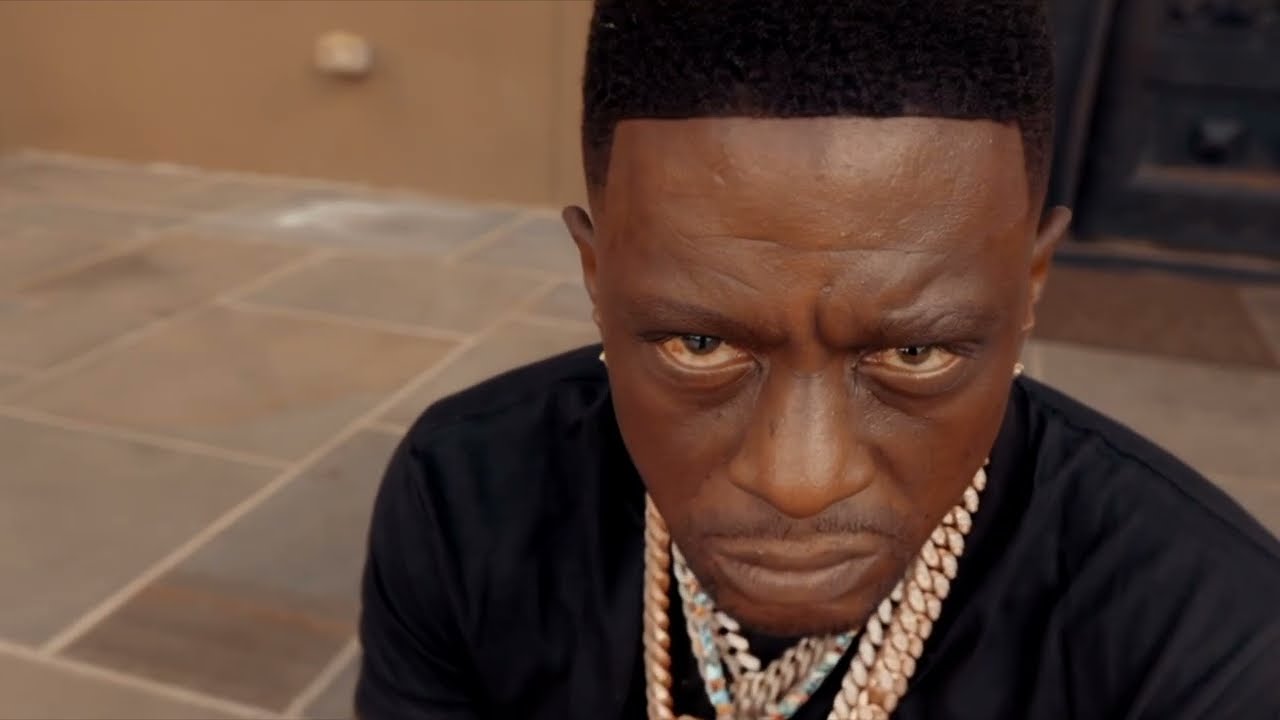
Today, the rapper continues to leverage his platform, recently launching the Boosie Network, a streaming hub for his music, films, and live events. As he prepares for upcoming projects and events like the Boosie Bash VII, which was scheduled for May 9, 2026, at the Cajundome in Lafayette, Louisiana, his public statements continue to serve as a lightning rod for debate. Whether these controversies impact his broader professional goals or his standing within the music industry remains to be seen, as the rapper consistently prioritizes his own voice over external pressure.
Readers interested in further updates regarding the artist’s professional projects or upcoming event schedules can monitor his official streaming platform and social media channels for the latest information. As this story develops, observers will likely continue to debate the intersection of celebrity, private event management, and the expectations of public accountability in the digital age.