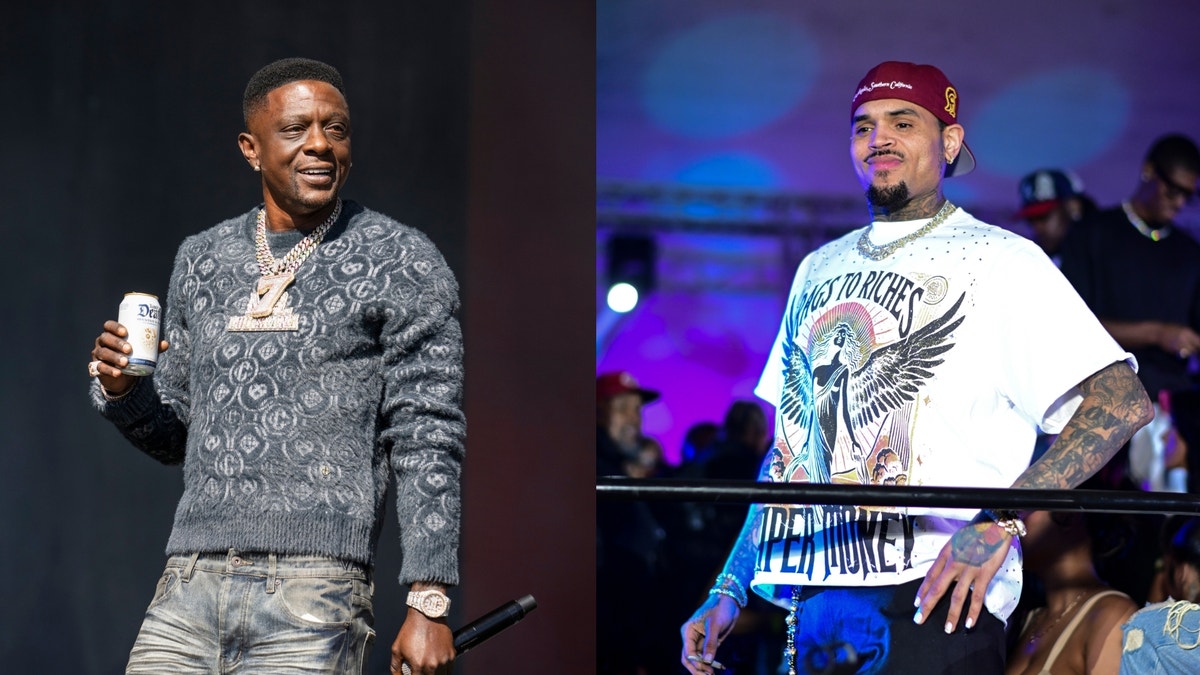
The debate surrounding potential performers for the Super Bowl Halftime Show has taken a new turn, with rapper Boosie Badazz voicing strong support for Chris Brown to take the stage. On Monday, February 2nd, 2026, Boosie Badazz publicly stated his belief that it is “disrespectful” that Brown has not yet been given the opportunity to perform at the Super Bowl, igniting a conversation about talent, redemption, and the NFL’s selection process. This discussion arrives as Brown continues to enjoy a resurgence in his career, bolstered by a successful tour and consistent chart performance.
The Super Bowl Halftime Show is arguably the most prominent musical platform in the United States, drawing an audience of over 100 million viewers annually. The NFL has historically selected artists who represent a broad appeal and cultural significance, but the criteria and decision-making process remain largely opaque. The selection process is often influenced by factors beyond musical merit, including brand alignment and public image. This has led to scrutiny and debate over the years, particularly regarding artists with controversial pasts.
Boosie Badazz, whose real name is Torrence Hatch, took to X (formerly Twitter) to express his frustration, stating, “Do we need to campaign for Chris Brown to perform at a Super Bowl? So many years I’ve seen so many different [artists] perform. No CB? Not cool at all, better yet #DISRESPECTFUL. [You] great [in] our eyes, my G.” This sentiment reflects a growing chorus of voices advocating for Brown, particularly in light of his recent professional successes. The artist’s comments quickly gained traction, sparking a lively discussion among fans and industry observers.
A Resurgent Career and Calls for Recognition
The push for Chris Brown’s inclusion in the Super Bowl lineup is fueled, in part, by his recent career momentum. He completed the “Breezy Bowl XX Stadium World Tour” in 2025, a tour that demonstrated his continued popularity and stage presence. Billboard reported on the tour’s success, highlighting Brown’s ability to draw large crowds and deliver energetic performances. This tour followed the release of several successful singles and albums, solidifying his position as a leading figure in contemporary R&B and hip-hop.
R&B singer Ne-Yo echoed this sentiment, stating that Brown would “smash” a Super Bowl Halftime Show performance. During an appearance on the “BagFuel” podcast, Ne-Yo questioned the continued scrutiny Brown faces, asking, “It’s like, does redemption just not exist? Like, are you just forever guilty once you do something?” This raises a critical question about the role of forgiveness and second chances in the entertainment industry and public perception. The debate highlights the complexities of balancing artistic merit with personal history.
Brown’s manager, Anthony “Ant” Wilson, also expressed optimism about a potential Super Bowl performance. Speaking with Billboard in 2025, Wilson stated, “I also believe the Super Bowl would be a great place for him. I believe it will happen.” While acknowledging that no formal overtures had been made at the time, Wilson’s comments suggest a willingness on Brown’s team to pursue the opportunity.
The Shadow of the Past and the Question of Redemption
However, the conversation surrounding Chris Brown and the Super Bowl is inevitably intertwined with his 2009 assault on then-girlfriend Rihanna. This incident remains a significant point of contention for many, with some arguing that his past actions disqualify him from such a high-profile platform. The debate underscores the lasting impact of domestic violence and the challenges faced by perpetrators seeking redemption. The NFL has faced criticism in the past for its handling of players and performers with histories of misconduct, and any decision regarding Brown will likely be met with intense scrutiny.
The NFL’s partnership with Jay-Z’s Roc Nation, beginning in 2019, has aimed to enhance the Super Bowl Halftime Show’s cultural relevance and diversity. Roc Nation plays a significant role in selecting performers and shaping the overall creative direction of the show. Some observers suggest that securing a performance slot may depend on maintaining a positive relationship with Roc Nation and its leadership. However, the NFL has not publicly commented on the specific criteria used for selecting performers, leaving room for speculation and debate.
The question of whether an artist should be granted a second chance after committing a serious offense is a complex one, with no easy answers. Supporters of Brown argue that he has demonstrated remorse and has worked to rehabilitate his image. They point to his continued success in the music industry and his philanthropic efforts as evidence of his growth and commitment to positive change. Critics, however, maintain that his past actions are unforgivable and that a Super Bowl performance would send the wrong message.
Cultural Gatekeeping and Representation in Entertainment
The debate surrounding Chris Brown’s potential Super Bowl performance also touches on broader issues of cultural gatekeeping and representation in the entertainment industry. Some argue that the NFL has historically favored certain types of artists, often overlooking talent from genres like R&B and hip-hop. This perceived bias has led to calls for greater diversity and inclusivity in the selection process. The Super Bowl Halftime Show represents a significant opportunity to showcase a wide range of musical styles and artists, and many believe that Brown would bring a unique and dynamic energy to the stage.
The discussion also raises questions about the role of social media in shaping public opinion and influencing decision-making. Boosie Badazz’s tweet, for example, quickly went viral, amplifying the conversation and generating widespread attention. Social media platforms have become powerful tools for advocacy and activism, allowing fans and artists to directly engage with the NFL and express their views. This increased level of engagement has the potential to influence the NFL’s decision-making process and promote greater transparency.
The Super Bowl LVII Halftime Show, featuring Rihanna in February 2023, marked a significant moment for representation, as she was the first pregnant woman to headline the event. NFL.com provided a recap of the performance, highlighting its cultural impact. This demonstrated the NFL’s willingness to embrace artists who challenge traditional norms and push boundaries. Whether this trend will continue remains to be seen.
Do we need to campaign for Chris Brown to perform at a Super Bowl? So many years I’ve seen so many different artists perform. No CB? Not cool at all, better yet #DISRESPECTFUL. [You] great in our eyes, my G.
— Boosie Badazz (@BOOSIEOfficial) February 2, 2026
Key Takeaways
- Boosie Badazz has publicly advocated for Chris Brown to perform at the Super Bowl Halftime Show, calling the lack of representation “disrespectful.”
- The debate surrounding Brown’s potential performance is complicated by his past legal issues and the question of redemption.
- Industry figures like Ne-Yo have voiced support for Brown, highlighting his talent and stage presence.
- The NFL’s selection process for the Halftime Show remains largely opaque, leading to scrutiny and calls for greater transparency.
- The discussion reflects broader issues of cultural representation and the role of forgiveness in the entertainment industry.
As of February 24, 2026, the NFL has not announced the performer for the next Super Bowl Halftime Show. The decision is expected to be made in the coming months, and the debate surrounding Chris Brown’s potential inclusion is likely to continue. Fans and industry observers will be closely watching to see whether the NFL will embrace a controversial figure or opt for a more conventional choice. Updates regarding the Super Bowl LIX Halftime Show performer will be available on the official NFL website.
What are your thoughts on Chris Brown performing at the Super Bowl? Share your opinions in the comments below, and be sure to share this article with your network.