
As we navigate the complexities of aging, one of the most practical indicators of physical vitality is often hidden in the simplest of daily movements. Whether you are rising from a chair after reading or getting up from the floor after spending time with family, your ability to perform a controlled “sit-to-stand” maneuver serves as a functional barometer for your health. Maintaining lower-body endurance is not merely a fitness goal. it is a critical component of maintaining independence and preventing the risk of falls as we move past the age of 60.
From a clinical perspective, the transition between sitting and standing is a high-stakes movement pattern. When the muscles responsible for this action—the glutes, hamstrings and quadriceps—are supported by consistent, intentional training, the risk of injury decreases significantly. As a physician, I often emphasize that functional fitness is about preparing the body for the demands of daily life, and few movements are as foundational as the chair squat.
The Science of Functional Strength
Lower-body endurance is the bedrock of mobility. When we talk about “elite” endurance in the context of aging, we are referring to the capacity of the musculoskeletal system to handle repetitive, gravity-defying tasks without premature fatigue. According to clinical guidance from organizations like the Centers for Disease Control and Prevention (CDC), exercise programs that emphasize balance and leg strength are essential strategies for fall prevention in older adults. By strengthening the core and lower extremities, individuals can significantly improve their stability and confidence in navigating their environments.
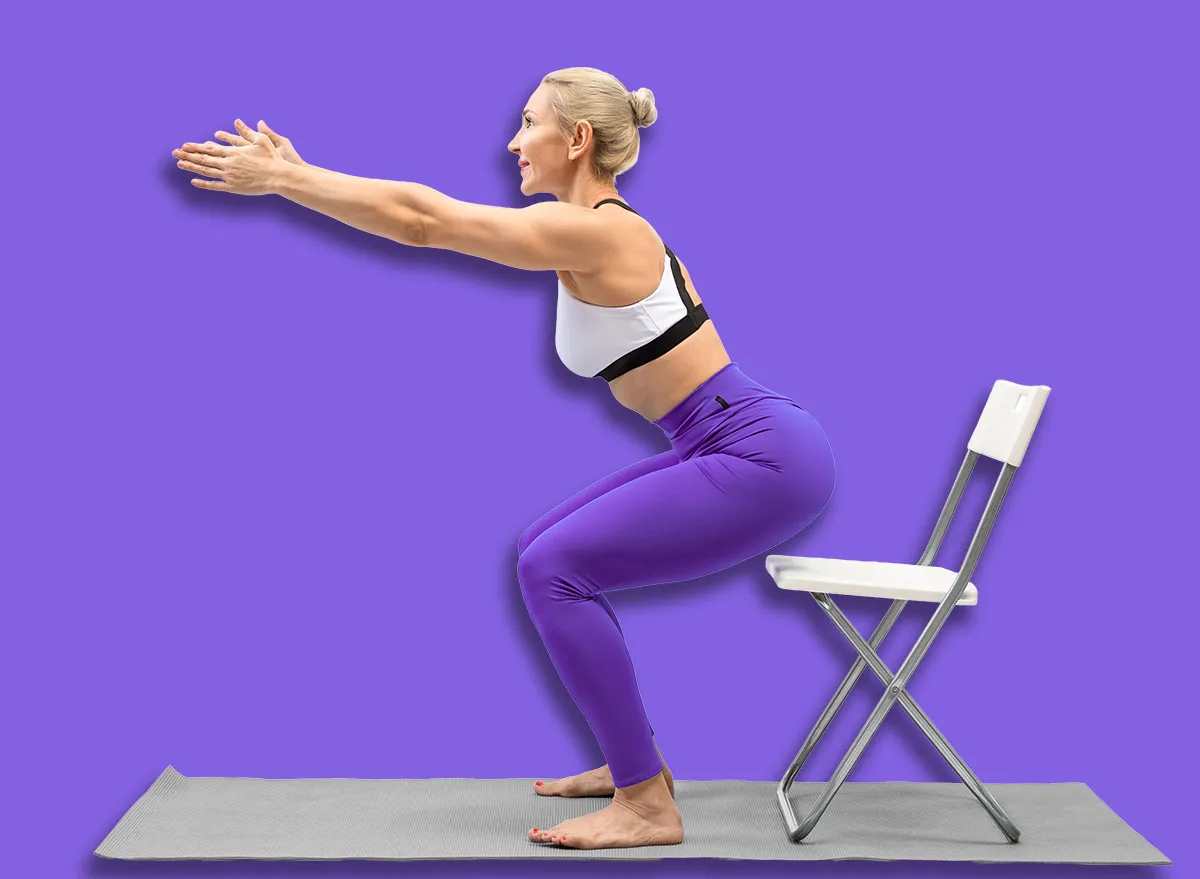
The sit-to-stand exercise is essentially a functional squat. By performing this movement, you engage the posterior chain, which includes the glutes and hamstrings, along with the quadriceps and core stabilizers. This specific engagement is vital because it mimics the mechanics required for walking, climbing stairs, and standing up from a seated position, which are all activities that rely heavily on lower-body power.
Evaluating Your Endurance: The Sit-to-Stand Benchmark
While fitness standards vary, many health professionals look toward standardized tests to gauge physical capability. A common benchmark for measuring lower-body strength and endurance in older adults is the 30-Second Chair Stand Test. This clinical assessment, which is frequently utilized by physical therapists, measures the number of times an individual can stand up from a seated position in 30 seconds without using their arms for assistance.
According to the University of Missouri’s Geriatric Medicine resources, normative data for this test helps clinicians identify individuals who may be at an increased risk of functional decline. For those aged 60 and older, achieving a score within the average range for your age and sex is a positive indicator of functional health. It is important to remember that these tests are intended to guide your training, not to discourage you. Whether you are just beginning or looking to improve, focusing on controlled, repetitive movements is the most effective way to build stamina safely.
How to Perform the Movement Safely
To incorporate this into your routine, start by choosing a sturdy, stable chair. Place it against a wall if you are concerned about it sliding. Position your feet hip-width apart and under your knees. With a slight lean forward at the hips, engage your core and push through your heels to stand fully upright. The key is control; ensure that you are not using your hands to push off your thighs or the armrests, as the goal is to rely on your leg and glute strength. Slowly lower yourself back to the seated position, maintaining that same level of control.
If you are new to this movement or have been sedentary, start with a lower volume of repetitions. The goal is to prioritize form over speed. As your strength improves, you may find that you can perform more repetitions, which directly correlates to greater ease in your daily activities.
Why Consistency Matters
The cumulative effect of regular physical activity cannot be overstated. As noted by the World Health Organization (WHO), regular physical activity is a primary factor in maintaining healthy aging, reducing the risk of chronic disease, and preserving cognitive and physical function. By dedicating just a few minutes a day to functional movements like sit-to-stands, you are investing in your long-term mobility.

If you find yourself fatiguing quickly, do not be discouraged. Physical endurance is a trainable trait. By consistently practicing these movements, you are effectively “rehabilitating” your movement patterns and building the resilience necessary to stay active and engaged in the activities you enjoy.
Next Steps for Your Health
Before beginning any new exercise regimen, particularly if you have underlying health conditions or a history of joint issues, it is always advisable to consult with your primary care physician or a physical therapist. They can provide a personalized assessment and ensure that your training program is appropriate for your specific health needs.
As we continue to explore the intersection of medical innovation and daily lifestyle, I encourage you to share your experiences. Have you incorporated functional training into your routine, or do you have questions about how to modify these movements for your fitness level? Join the conversation in the comments section below and let us know how you are staying active and mobile this year.