
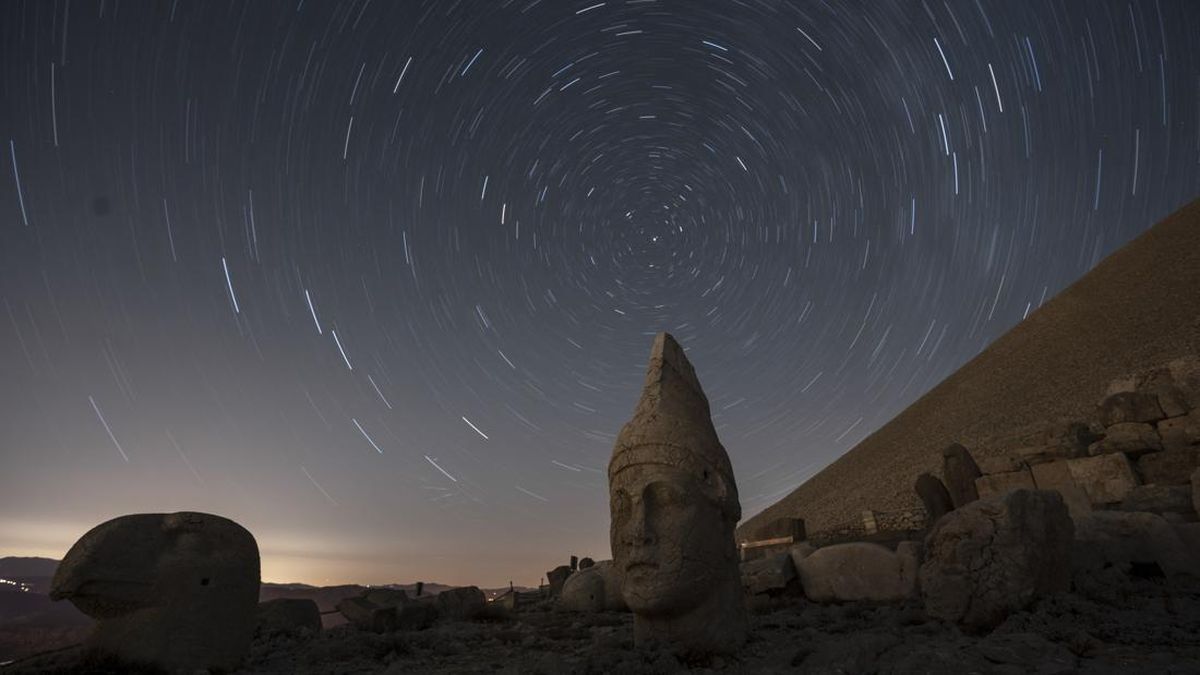
The June Bootids meteor shower is set to reach its peak activity, offering observers in Indonesia a chance to view celestial streaks. According to reports, this event occurs as Earth passes through the debris trail left by the short-period comet 7P/Pons-Winnecke. While the shower is typically characterized by low activity, it remains a notable event for amateur astronomers due to the potential for unexpected outbursts.
The June Bootids originate from the constellation Boötes, specifically appearing to radiate from a point near the bright star Arcturus. The Bootids are known for their variability. The intensity of this shower depends heavily on the proximity of comet 7P/Pons-Winnecke to Earth’s orbit during its periodic return. In years where the comet is near, observers have historically documented significant, albeit brief, surges in meteor counts.
Optimal Viewing Conditions for the June Bootids
To maximize the chance of spotting these meteors, observers should look toward the Boötes constellation. Astronomers recommend that viewers find a location away from city lights and allow at least 20 to 30 minutes for their eyes to adapt to the darkness.

The June Bootids are known for their relatively slow velocity compared to other major meteor showers. Because they enter the atmosphere at a lower speed, these meteors often appear as distinct streaks. While the peak is forecasted, activity can sometimes be observed in the days surrounding the peak, provided the radiant remains above the horizon.
The Role of Comet 7P/Pons-Winnecke
The debris creating this display originates from 7P/Pons-Winnecke, a periodic comet. The interaction between the comet’s orbital path and Earth’s position is the primary determinant of how many meteoroids enter our atmosphere.

Historically, the most intense displays of the June Bootids occurred in 1927 and 1998, when the comet’s proximity to Earth resulted in rates exceeding 100 meteors per hour. In contrast, most years yield fewer than five meteors per hour. Current projections suggest that while a major storm is not expected this year, the unpredictable nature of the comet’s debris distribution makes it a subject of ongoing study for researchers tracking near-Earth objects.
Practical Tips for Amateur Astronomers
For those planning to observe the shower, specialized equipment is generally not required. The human eye is the most effective tool for capturing the wide field of view necessary to spot meteors, which can appear anywhere in the sky, not just near the radiant point in Boötes. Using a reclining chair or a blanket to lie flat on the ground is the most comfortable way to monitor the night sky for extended periods.
Preparation steps for a successful viewing session include:
- Checking local weather forecasts to ensure clear, cloudless skies.
- Consulting local sunset and moonrise times, as moonlight can significantly reduce the visibility of fainter meteors.
- Avoiding the use of mobile devices or flashlights, which can disrupt night vision; if light is necessary, a red-filtered flashlight is recommended.
As the event approaches, updates regarding specific peak times and regional visibility can be found through official astronomical agencies and national space observatories. Enthusiasts are encouraged to share their observations with local astronomy clubs to assist in the scientific monitoring of the comet’s debris trail. Further updates on global astronomical phenomena remain available through official channels as the summer season progresses.