
Robert Bosch GmbH is positioning itself as a strategic technology supplier in the burgeoning market for humanoid robotics, deliberately choosing to provide core components rather than manufacturing complete humanoid robots. This strategic decision marks a shift in how the German engineering giant approaches the automation sector, focusing on its strengths in sensor technology, software, and drive systems to support third-party developers.
The company, which reported group sales of 91.6 billion euros for the 2023 fiscal year, has identified robotics as a critical pillar for its future growth, according to the official Bosch corporate news portal. By opting out of the final assembly of humanoid units, Bosch aims to avoid the capital-intensive risks associated with consumer or industrial robot manufacturing while remaining an essential partner in the global supply chain for robotics hardware and artificial intelligence integration.
Strategic Focus: Components Over Finished Robots
Bosch’s strategy centers on the “enabling technology” approach. Instead of competing with firms like Tesla or Boston Dynamics, the company is leveraging its expertise in MEMS (micro-electromechanical systems) sensors, motion control, and AI-driven software. This allows Bosch to serve a diverse range of manufacturers that are currently racing to bring humanoid robots into factories and logistics hubs, as noted in the company’s research and innovation documentation.
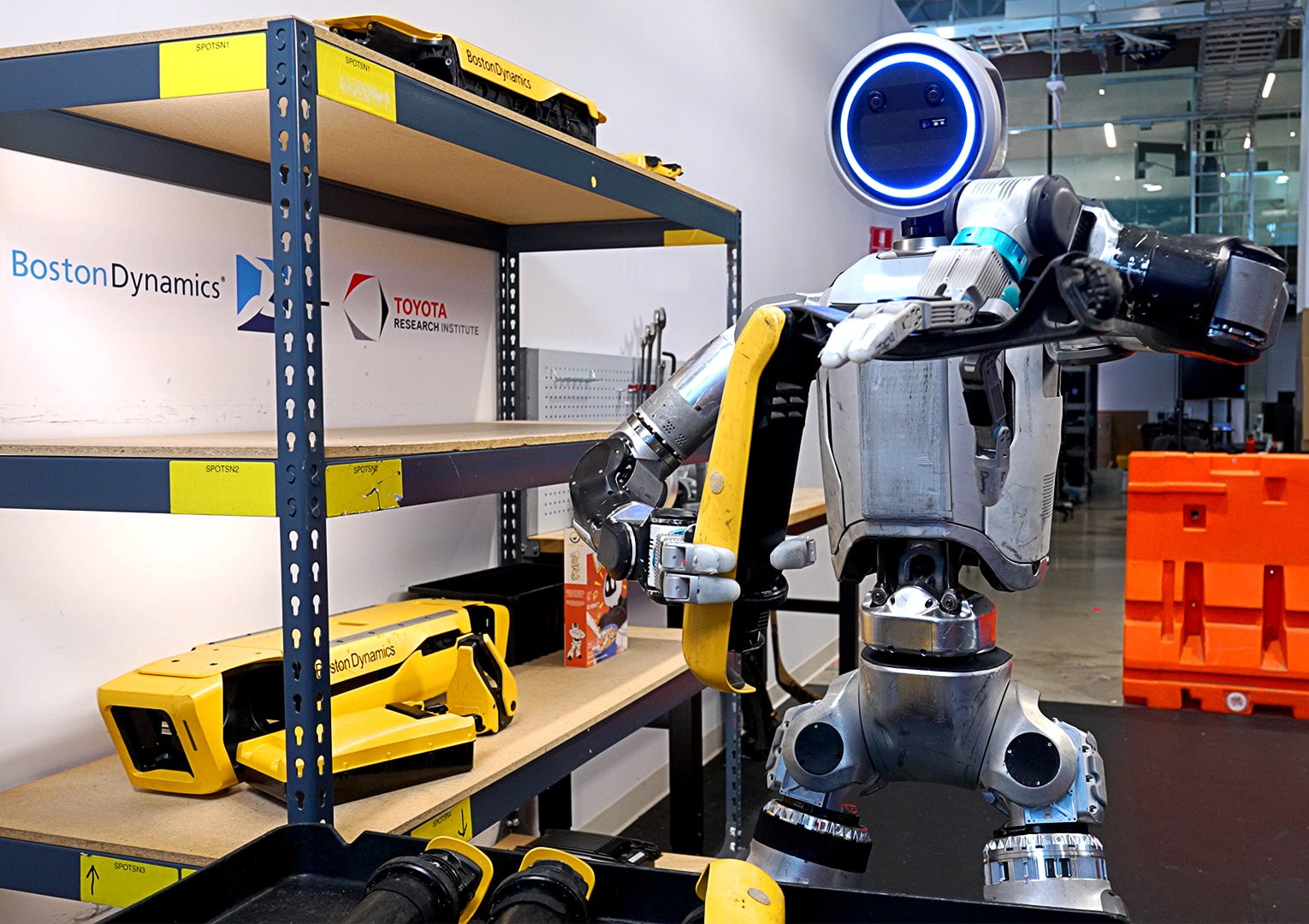
The decision to act as a supplier is consistent with Bosch’s long-standing business model in the automotive sector, where it provides critical components for various vehicle manufacturers. By applying this “tier-one supplier” model to robotics, Bosch minimizes its exposure to the volatility of the end-product market. According to industry analysis from Reuters, this approach allows the firm to scale its revenue alongside the growth of the broader robotics industry, regardless of which specific robot manufacturer eventually dominates the market.
The Role of AI in Industrial Automation
Artificial intelligence remains the primary engine driving current advancements in the field. Bosch is integrating generative AI and machine learning into its robotics portfolio to improve how machines perceive and interact with complex, unstructured environments. This is a significant pivot from traditional industrial robotics, which typically require highly structured, repetitive workspaces.
The company’s research arm, Bosch Research, is actively developing algorithms that allow robots to interpret visual data and execute complex tasks with higher autonomy. As detailed in their latest technology updates, the goal is to make robots more adaptable to the changing needs of manufacturing environments. By providing the “brain” and the “senses”—via advanced sensors and AI software—Bosch ensures its relevance in a market that is expected to see significant expansion by 2030, according to projections cited by Bloomberg.
Market Dynamics and Future Outlook
The global race for humanoid robotics is currently characterized by intense competition between tech conglomerates and specialized startups. Bosch’s choice to remain a supplier is a calculated move to capture value without the high barrier of entry required to build, test, and support a humanoid robot from scratch. This strategy also aligns with the company’s broader transition toward software-defined products.
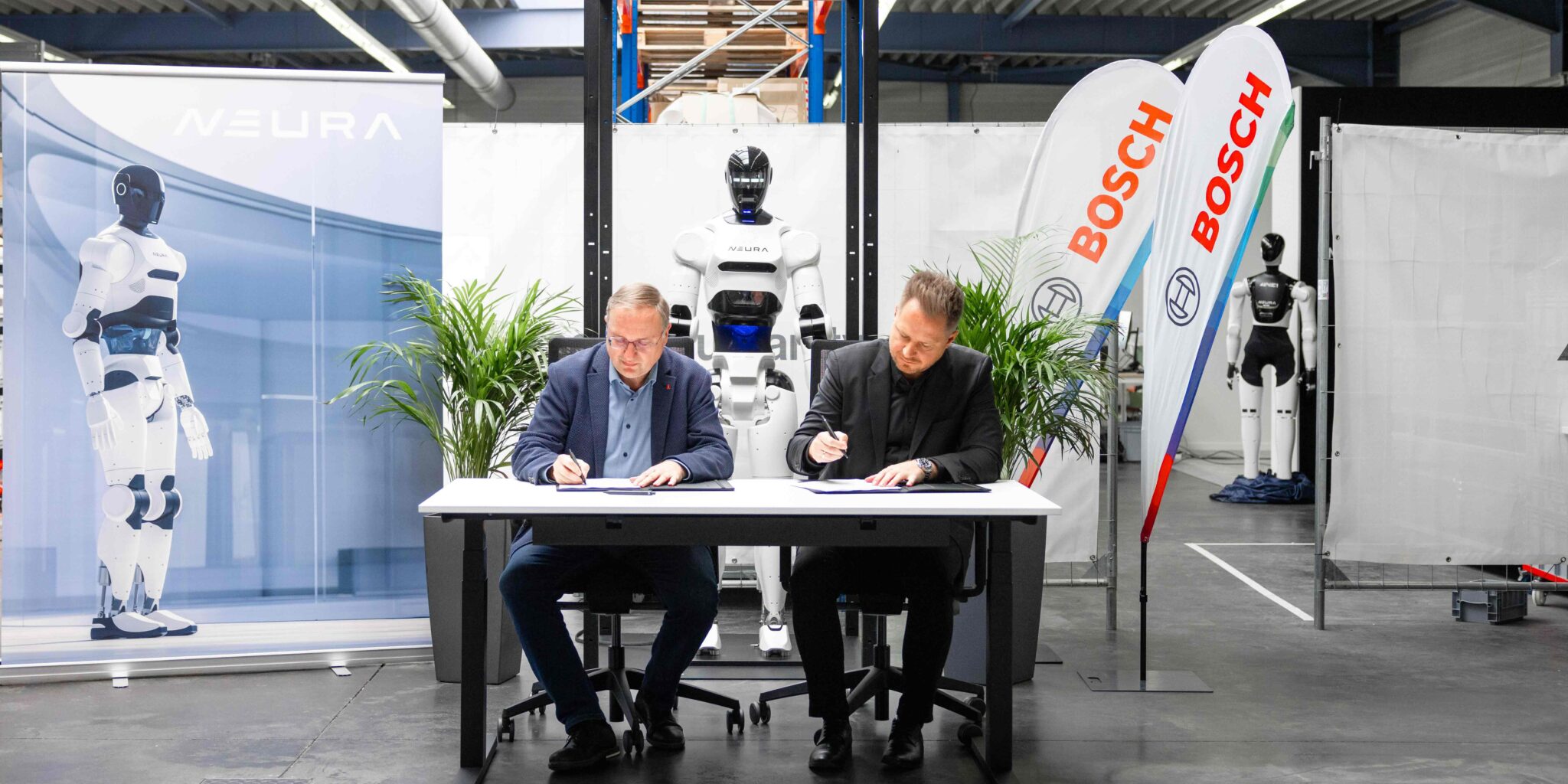
However, the sector faces significant hurdles, including high production costs and the technical difficulty of achieving human-level dexterity. For Bosch, the challenge lies in maintaining a competitive edge against other specialized component manufacturers. The company’s continued investment in AI-driven innovation indicates a long-term commitment to this sector, with further updates on product integration expected throughout the next fiscal cycle.
The next major update regarding Bosch’s industrial automation strategy is expected during the company’s annual general meeting and upcoming technology press events scheduled for later this year. Readers interested in the evolution of these technologies can monitor the Bosch Media Service for official press releases and technical filings.
How do you see the integration of AI-driven robotics changing the manufacturing landscape over the next decade? Share your thoughts in the comments below.
Related reading
- NASA Perseverance Rover Discovers Rare Corundum on Mars
- Oracle Partners with Quantinuum to Bring Helios Quantum Computing to OCI
- Dawn of War 4 Release Date Delayed: What to Expect from the Refining Process – Warhammer 40k Strategy Game Update” “Dawn of War 4 Launch Delayed: How the Game’s Delay Will Affect Fans – Warhammer 40k Strategy Game News” “Warhammer 40k Strategy Game Dawn of War 4 Delayed to Refine Experience Ahead of Release – Gaming News Update” “Dawn of War 4 Delayed: What the Delay Means for the Upcoming Warhammer 40k Game – Strategy Game Release News (archyworldys.com)