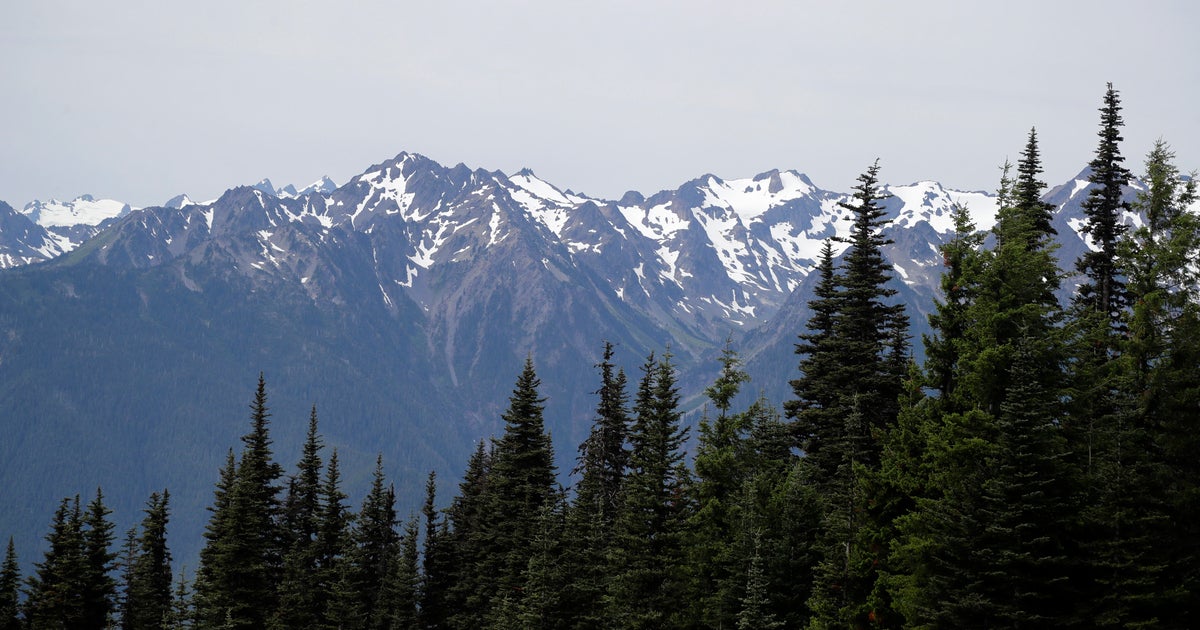
Investigators have identified human remains discovered in a sleeping bag in Olympic National Park nearly 30 years ago as those of Samuel Boehlke, a hiker who went missing in 1996. The identification, confirmed through forensic genetic genealogy, brings a formal conclusion to a case that remained a cold mystery for decades after the initial discovery of the remains in the park’s rugged wilderness.
According to the National Park Service, the remains were originally located in 1998 by a hiker in a remote section of the park. For over two decades, limited forensic technology prevented officials from establishing a positive identity, leaving the case categorized as an unidentified person investigation. The breakthrough arrived after the Federal Bureau of Investigation and park investigators utilized advancements in DNA profiling to match the biological evidence to Boehlke, who was 28 years old when he was last seen.
The Disappearance of Samuel Boehlke
Samuel Boehlke was reported missing on October 14, 1996, after he separated from his father during a hike in the Enchanted Valley area of Olympic National Park. At the time of his disappearance, search and rescue teams conducted an extensive multi-day operation covering the dense, mountainous terrain, but were unable to locate him. The search efforts were hampered by the park’s challenging topography and severe weather conditions common in the Pacific Northwest during the autumn months.
For nearly two years, the disappearance remained an active missing person case. The discovery of the remains in 1998 occurred in a drainage area that was geographically consistent with the initial search radius, yet the lack of identification meant that for 26 years, the remains were referred to only as a John Doe. The successful identification now allows for the return of the remains to the family, following decades of uncertainty for his relatives.
Advancements in Forensic Genetic Genealogy
The resolution of this case highlights the increasing success of genetic genealogy in solving long-standing cold cases. While traditional DNA testing requires a direct sample from a known relative or a pre-existing criminal database entry, forensic genetic genealogy allows scientists to build a family tree from unidentified remains by comparing DNA profiles against public genealogical databases.

According to the U.S. Department of Justice, these methods have become the standard for investigators attempting to identify remains that have languished in medical examiner offices for decades. In the case of the Olympic National Park remains, the coordination between the park’s investigative unit and specialized labs was essential. The process involved extracting viable DNA from degraded samples, a technique that was not technically feasible when the remains were first recovered in the late 1990s.
Impact on Cold Case Investigations in National Parks
Olympic National Park, which encompasses nearly one million acres of diverse ecosystems, presents unique challenges for search and rescue operations and forensic recovery. The identification of Boehlke is one of several recent successes in the National Park Service’s efforts to review older, unidentified cases using modern forensic tools. By revisiting evidence from decades-old files, authorities are attempting to provide closure to families who have spent years without answers.
The National Park Service maintains a database of missing persons and unidentified remains found within federal lands. According to the official National Park Service missing persons registry, authorities continue to encourage families of long-term missing individuals to provide DNA samples to the National Missing and Unidentified Persons System (NamUs), which serves as a centralized clearinghouse for forensic data across the United States. This digital infrastructure is often the primary link between modern forensic breakthroughs and the resolution of historical cases.
Next Steps for the Investigation
With the identity of the remains confirmed, the formal investigation into the circumstances of Boehlke’s death is considered closed by park authorities. The findings have been relayed to the family, and no further criminal investigation is expected, as evidence indicated the death was consistent with the hazards of the remote environment in which he disappeared.
The park service has not announced any further public briefings regarding the specific forensic timeline. Those interested in the status of other cold cases within the national park system can monitor official updates through the National Park Service newsroom. Readers are encouraged to share this report to assist in raising awareness of the resources available through NamUs for families currently searching for missing loved ones.
Related reading