
Boston Dynamics’ Atlas humanoid robot has demonstrated advanced physical capabilities in a new soccer-themed performance, showcasing precise balance, timing, and agility. The demonstration, developed in collaboration with Hyundai, highlights the ongoing evolution of the Atlas platform as it moves beyond laboratory environments and into more dynamic, task-oriented scenarios. By executing a complex soccer trick shot, the engineering team has utilized the project to stress-test the robot’s locomotion and coordination systems under real-world physical constraints.
The integration of the Atlas platform with Hyundai’s robotics initiatives marks a significant transition in how humanoid robots are being evaluated for industrial and interactive applications. According to official company disclosures, these tests are not merely for show; they serve as critical data points for researchers aiming to improve how bipedal robots handle uneven terrain and high-impact movements, such as the force required to strike a ball accurately. The project reflects a broader industry trend toward testing robotic stability in environments that mimic human athleticism.
Engineering the Atlas Soccer Demo
At the core of the soccer demonstration is the requirement for the Atlas robot to maintain its center of gravity while transitioning from a stationary position to a high-velocity movement. Engineering teams at Boston Dynamics have long focused on the “Whole-Body Control” framework, which allows the robot to coordinate its limbs, torso, and head simultaneously. In the context of the soccer drill, the robot must calculate the ball’s position, adjust its approach angle, and execute a strike without succumbing to the inertia of its own movement.
The collaboration with Hyundai has provided additional resources and testing frameworks that have accelerated these developments. While the soccer demo is a highly visible milestone, it functions as a proxy for more complex industrial tasks. For instance, the ability to maintain balance while swinging a leg at a target is functionally similar to the stability required for a robot to manipulate heavy tools or navigate cluttered factory floors. Official technical documentation from Boston Dynamics emphasizes that these demonstrations are intended to push the hardware to its mechanical limits, ensuring that the software can compensate for unexpected physical variables.
Why Athleticism Matters for Humanoids
The move toward athletic demonstrations is a strategic choice by robotics developers to showcase progress in “dynamic stability.” Unlike traditional industrial arms that operate in fixed, predictable environments, humanoid robots like Atlas are designed for interaction with the unpredictable world. According to recent industry analysis, the ability to recover from a stumble or adjust to a moving object—such as a soccer ball—is a hallmark of advanced robotics development. This capability is essential for any future deployment in logistics, emergency response, or infrastructure maintenance.
The technical hurdles are significant. Each movement requires the robot to process sensor data at high frequencies, adjusting its joint actuators in milliseconds to prevent falls. By using a soccer ball as a testing tool, the engineering team introduces a non-rigid, unpredictable element into the robot’s workspace. This forces the control algorithms to handle the energy transfer between the foot and the ball, a task that requires sophisticated feedback loops and high-torque motor performance.
The Road Ahead for Atlas
Looking forward, the focus remains on refining the transition between different modes of movement. While the soccer demo is a controlled environment, the ultimate objective is to enable the robot to perform such actions in varied, unstructured conditions. Stakeholders and industry observers are watching the progress closely, as these successful demonstrations serve as a barometer for the commercial viability of humanoid platforms.
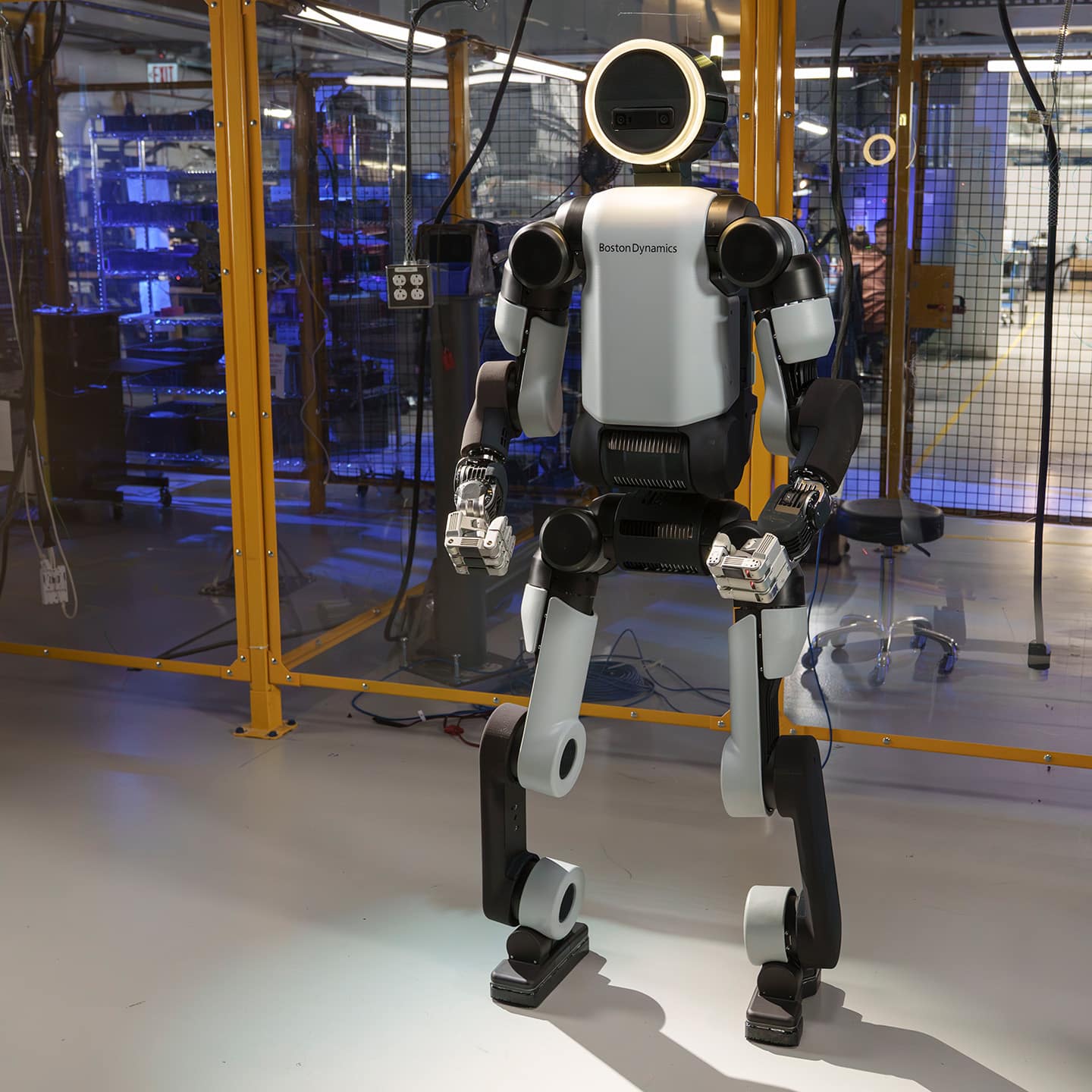
The next phase of development for the Atlas platform will likely involve increased focus on autonomy and task-based learning. As the robot moves from pre-programmed demonstrations to autonomous decision-making, the reliance on advanced machine learning models will grow. The engineering team continues to provide updates on their progress through official company channels, where they document the shift from prototype hardware to more refined, application-ready models. For those interested in the technical specifics of this evolution, Boston Dynamics maintains a public archive of their research and development milestones on their official website.
What do you think is the most challenging aspect of humanoid balance? Join the conversation in the comments section below to share your thoughts on the future of robotics.
Keep reading