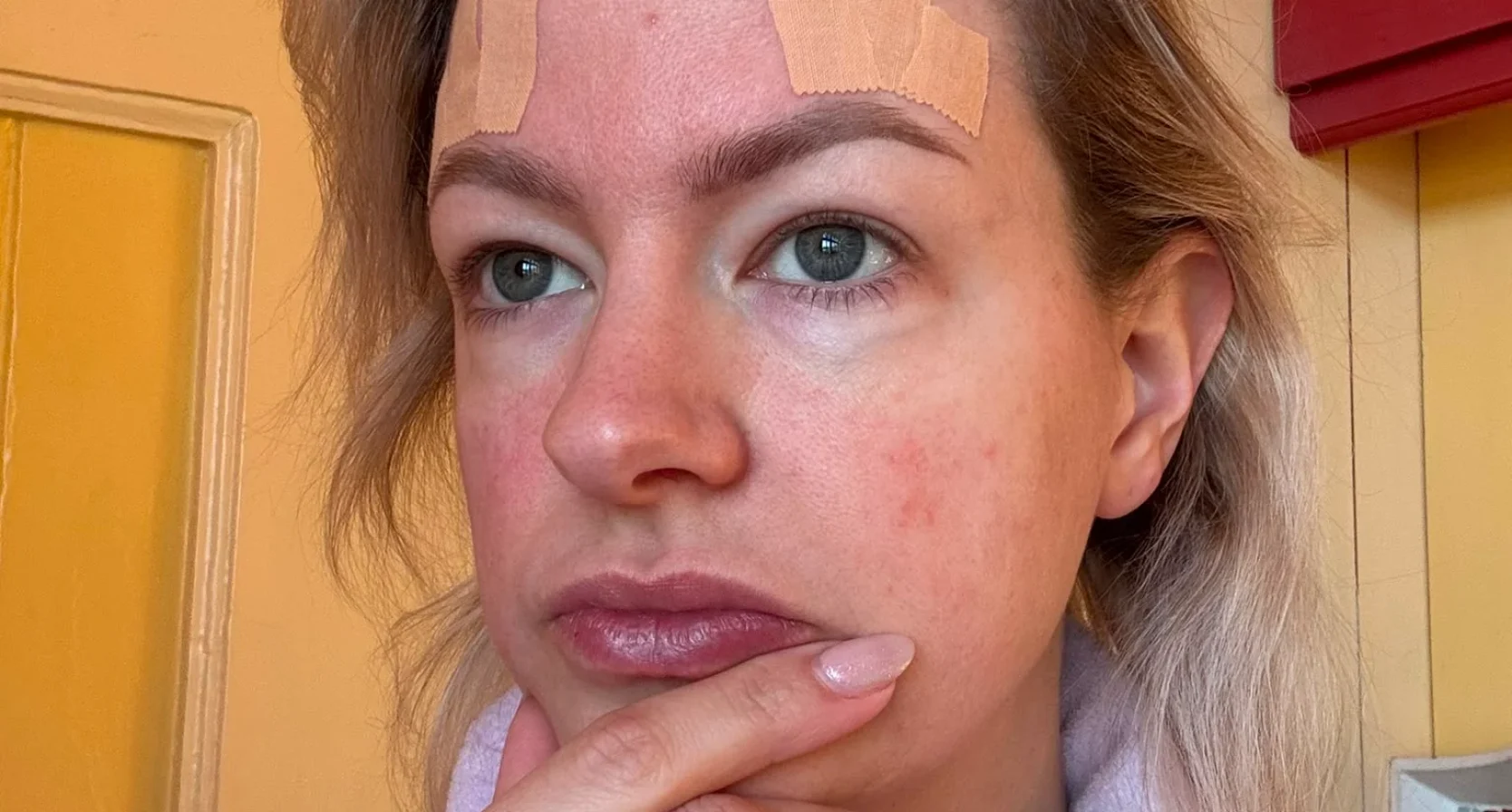
The global rise in unregulated cosmetic procedures has prompted fresh warnings from public health authorities after a patient suffered severe complications from uncertified botulinum toxin injections. Charlotte, a patient whose case details were recently detailed by health journalists, shared her experience of receiving an unauthorized dose that left her forehead paralyzed and forced her to manually tape her eyebrows into place. The incident highlights ongoing risks within the underground aesthetics market, where untrained practitioners administer counterfeit or diverted substances outside clinical environments.
Regulatory bodies, including the United States Food and Drug Administration (FDA) and the UK Medicines and Healthcare products Regulatory Agency (MHRA), regularly issue advisories regarding the dangers of counterfeit botulinum toxin products. Unlike clinical-grade neurotoxins administered by licensed medical professionals, uncertified substances often lack proper quality control, temperature regulation, and verifiable active ingredients. Health officials emphasize that unauthorized injections carry severe risks, ranging from temporary facial paralysis to systemic botulism, a rare but life-threatening paralytic illness.
Risks of Unregulated Cosmetic Injections
The market for non-surgical cosmetic treatments has expanded rapidly over the past decade, driven by social media trends and lower cost points offered by unlicensed providers. However, medical experts warn that cost savings often come with significant health hazards. Uncertified injectables are frequently sourced through unauthorized online vendors, bypassing strict supply chain controls designed to ensure product safety and sterility.
According to clinical toxicologists, improper administration or incorrect dosing of botulinum toxin can cause unintended muscle relaxation in adjacent facial areas. When the toxin spreads beyond the intended injection site, patients frequently experience ptosis—drooping of the upper eyelid—or complete loss of facial expression. In severe cases, individuals resort to makeshift physical adjustments, such as medical tape, to compensate for paralyzed muscle groups while waiting for the neurotoxin’s effects to wear off over several months.
Regulatory Guidance and Patient Safety
Health agencies maintain strict frameworks to protect consumers from counterfeit medical devices and prescription drugs. In many jurisdictions, botulinum toxin is classified strictly as a prescription-only medication that must be administered by, or under the direct supervision of, a qualified healthcare provider. Regulatory authorities advise consumers to verify the credentials of any practitioner offering cosmetic procedures and to ensure that products originate from authorized pharmaceutical manufacturers.
Patients experiencing adverse reactions following cosmetic procedures are urged to seek immediate medical evaluation, particularly if they develop symptoms such as blurred vision, difficulty swallowing, or muscle weakness spreading away from the injection site. Public health bodies continue to monitor illegal distribution networks and coordinate with law enforcement agencies to intercept shipments of counterfeit medical products destined for unlicensed salons and home-based operators.
Official Resources and Reporting Channels
Consumers and medical professionals can report unauthorized practitioners or suspect counterfeit medical products directly through national regulatory portals. In the United States, adverse events associated with medical products can be reported to the FDA’s MedWatch program. Similar reporting mechanisms exist across international jurisdictions to track illegal distribution and prevent further patient harm.
Public health campaigns emphasize that verifying product labeling, checking practitioner registration databases, and utilizing accredited clinical facilities remain the most effective safeguards against cosmetic procedure complications. As regulatory agencies increase oversight of online aesthetic sales, patient education campaigns continue to focus on the biological risks associated with unverified injectables.