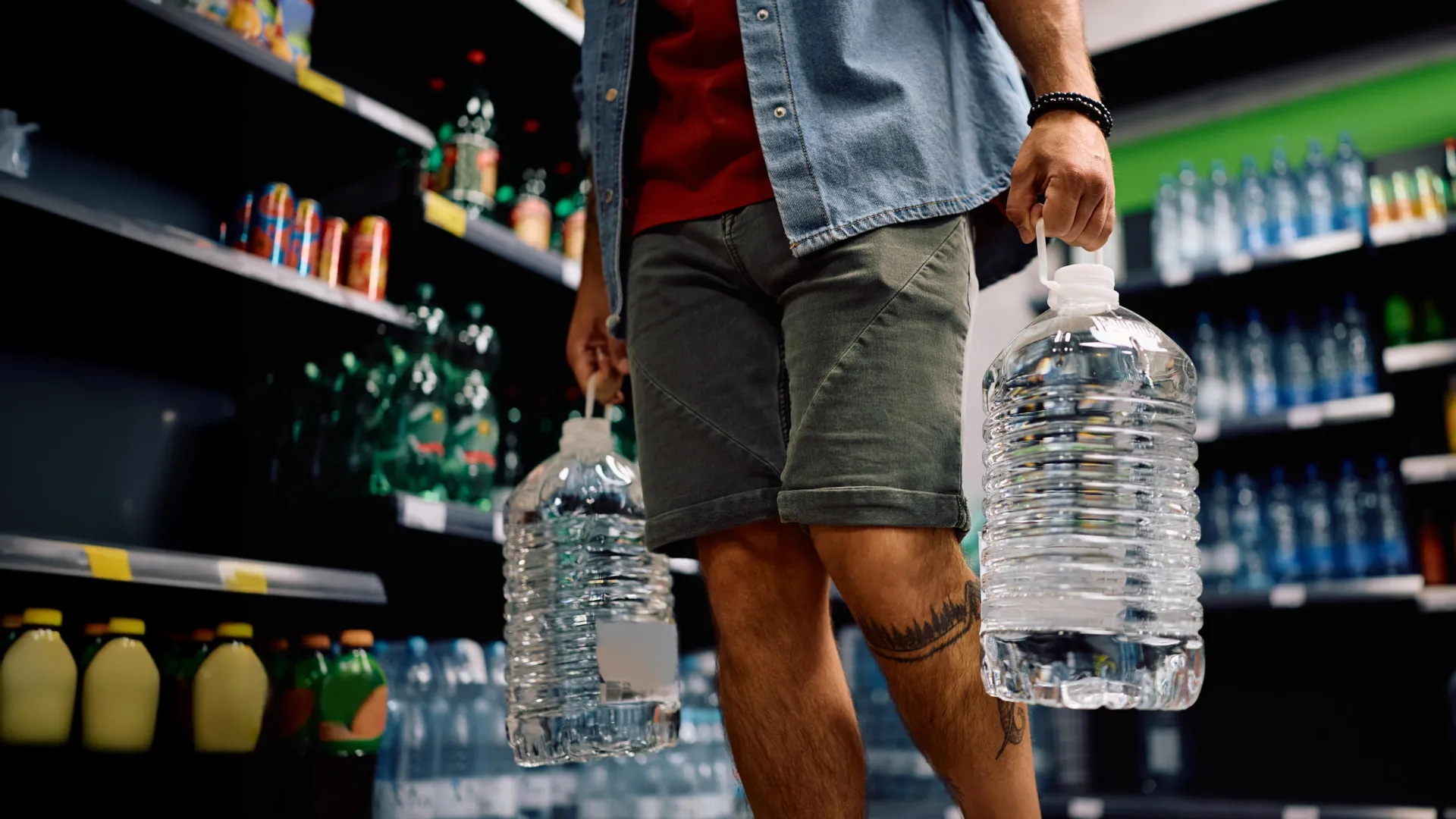
The Bottled Water Paradox: Why What We Trust May Pose the Greatest Risk
For many, particularly in regions where access to safe drinking water is precarious, bottled water represents a cornerstone of public health. It’s a symbol of purity, a readily available solution to concerns about contamination. But a growing body of research, including a recent study focused on Guatemala’s Western Highlands, is challenging that assumption. Scientists are discovering a troubling disconnect between perceived water safety and actual water quality, revealing that the exceptionally source many rely on – bottled water sold in large refillable jugs – may harbor hidden dangers. This isn’t simply a localized issue; it underscores a global challenge in ensuring access to truly safe drinking water and highlights the critical need to reassess our assumptions about water purification and hygiene.
The study, led by researchers at Washington State University, examined the water sources used by 60 households in both urban and rural areas of Guatemala. Researchers compared community perceptions of water safety with laboratory testing, revealing a stark contrast. While residents overwhelmingly favored bottled water as the safest option, testing revealed it was the most frequently contaminated with coliform bacteria – an indicator of fecal contamination. This finding isn’t isolated; it’s part of a larger trend of increasing concern about the safety of water sources worldwide, particularly in regions with limited infrastructure and sanitation.
The implications of this research extend far beyond Guatemala. Globally, more than 4 billion people lack access to safely managed drinking water, according to the World Health Organization. This lack of access contributes to millions of cases of diarrheal disease annually, disproportionately affecting children. Contaminated water is increasingly recognized as a significant driver of antimicrobial resistance, a growing threat to global public health. Understanding the factors that contribute to water contamination, and addressing the misconceptions surrounding water safety, is therefore paramount.
The Hidden Dangers in the Jug
The Guatemalan study revealed that bottled water was six times more likely to test positive for coliform bacteria than other water sources examined. Only 17% of the bottled water samples met the World Health Organization’s standards for safe drinking water. This startling statistic isn’t necessarily a reflection of the bottling process itself, but rather what happens *after* the water is bottled. As Dr. Brooke Ramay, lead author of the study and an assistant research professor in the WSU College of Veterinary Medicine’s Paul G. Allen School for Global Health, explained, “The problem isn’t usually with how the water is bottled – it’s what happens afterward.”
Large jugs of water are commonly filled at local purification facilities or neighborhood refill stations in Guatemala, then delivered to homes and businesses. However, these jugs are often stored improperly, and the dispensers used to serve the water aren’t cleaned regularly. These conditions create an ideal breeding ground for bacteria. The study found that 90% of all water sources tested contained coliform bacteria, with 55% harboring Escherichia coli (E. Coli) and 30% containing extended-spectrum beta-lactamase (ESBL)-producing bacteria. While ESBL-producing bacteria often reside harmlessly in the human gut, they can cause severe infections if they enter the bloodstream or urinary tract.
The presence of antibiotic-resistant organisms in drinking water is particularly concerning. These bacteria can spread resistance even when they don’t cause immediate illness, contributing to the growing global crisis of antimicrobial resistance. Recent research from Washington State University has even linked childhood vaccination to a lower risk of carrying these drug-resistant bacteria, highlighting the complex interplay between public health interventions and the spread of antimicrobial resistance.
Beyond Bottled Water: A Widespread Contamination Problem
The issue isn’t limited to bottled water. The study found widespread bacterial contamination across all water sources tested in Guatemala. While water drawn directly from protected municipal wells showed the lowest contamination levels – with no coliform, E. Coli, ESBL, or carbapenem-resistant Enterobacterales (CRE) detected – this source was often perceived as less safe by residents. Conversely, once municipal water was piped into homes, contamination levels increased dramatically. More than 65% of household samples contained coliform bacteria, while 28% tested positive for E. Coli, 11% for ESBL, and 11% for CRE.
This increase in contamination within piped water systems underscores the importance of maintaining infrastructure and ensuring proper water treatment. The study highlights that even seemingly safe sources can become contaminated if not adequately protected. CRE bacteria, while less common, were found in some household piped water samples, adding to the concern about the spread of antibiotic resistance. These bacteria, like ESBL-producing bacteria, can survive many commonly used antibiotics, making infections more difficult to treat.
The Role of Perception and Behavior
Perhaps one of the most significant findings of the study was the strong correlation between people’s beliefs about water safety and their behavior. Individuals who trust their water source are less likely to take precautions such as boiling or treating it. Those who rely on bottled water, believing it to be inherently safe, often neglect to clean the dispensers used to serve it. As Dr. Ramay noted, “Our results suggest that beliefs about water safety may actually contribute to contamination because people don’t take the same hygienic steps with sources they trust that they might with other less trusted sources.”
This highlights the critical need for public health education campaigns that address misconceptions about water safety and promote safe water handling practices. Simply providing access to water isn’t enough; people must also understand how to protect themselves from contamination. This includes regular cleaning of water storage containers and dispensers, as well as awareness of the potential risks associated with different water sources.
Key Takeaways
- Perception vs. Reality: Bottled water, often perceived as the safest option, was found to be the most frequently contaminated source in the study.
- Post-Bottling Contamination: Improper storage and infrequent cleaning of water dispensers contribute significantly to bacterial growth in bottled water.
- Piped Water Risks: While municipal wells offer the safest source, contamination increases substantially once water enters household piping systems.
- Behavioral Impact: Trust in a water source can lead to complacency and a lack of necessary hygiene practices.
The findings from Guatemala serve as a stark reminder that access to safe drinking water is not a given, even in the 21st century. Addressing this challenge requires a multi-faceted approach, including infrastructure improvements, robust water quality monitoring, and targeted public health education. The ongoing research from Washington State University, including studies linking hospitals to antibiotic resistance in Guatemala, is crucial for informing these efforts and protecting public health.
Researchers are continuing to investigate the factors that contribute to water contamination and antimicrobial resistance in Guatemala and beyond. Future studies will focus on identifying effective interventions to reduce contamination and improve water safety practices. The next phase of research, scheduled to begin in the spring of 2026, will involve implementing and evaluating a community-based intervention program designed to promote safe water handling and hygiene practices.
What are your thoughts on this issue? Share your experiences and concerns in the comments below. And please, share this article with your network to raise awareness about the importance of safe drinking water.
Worth a look
- 1,631 Medical Students Finally Become Doctors After Prolonged Healthcare Crisis
- Emory University Researchers Find How Leiomodin Builds Muscle Actin Filaments
- Greece Tourism Crisis: Luxury Costs, Water Scarcity, and Infrastructure Strain (newsdirectory3.com)
- Greece’s Luxury Summer Getaways Under Pressure: Water Scarcity Hits Holiday Islands (archynewsy.com)