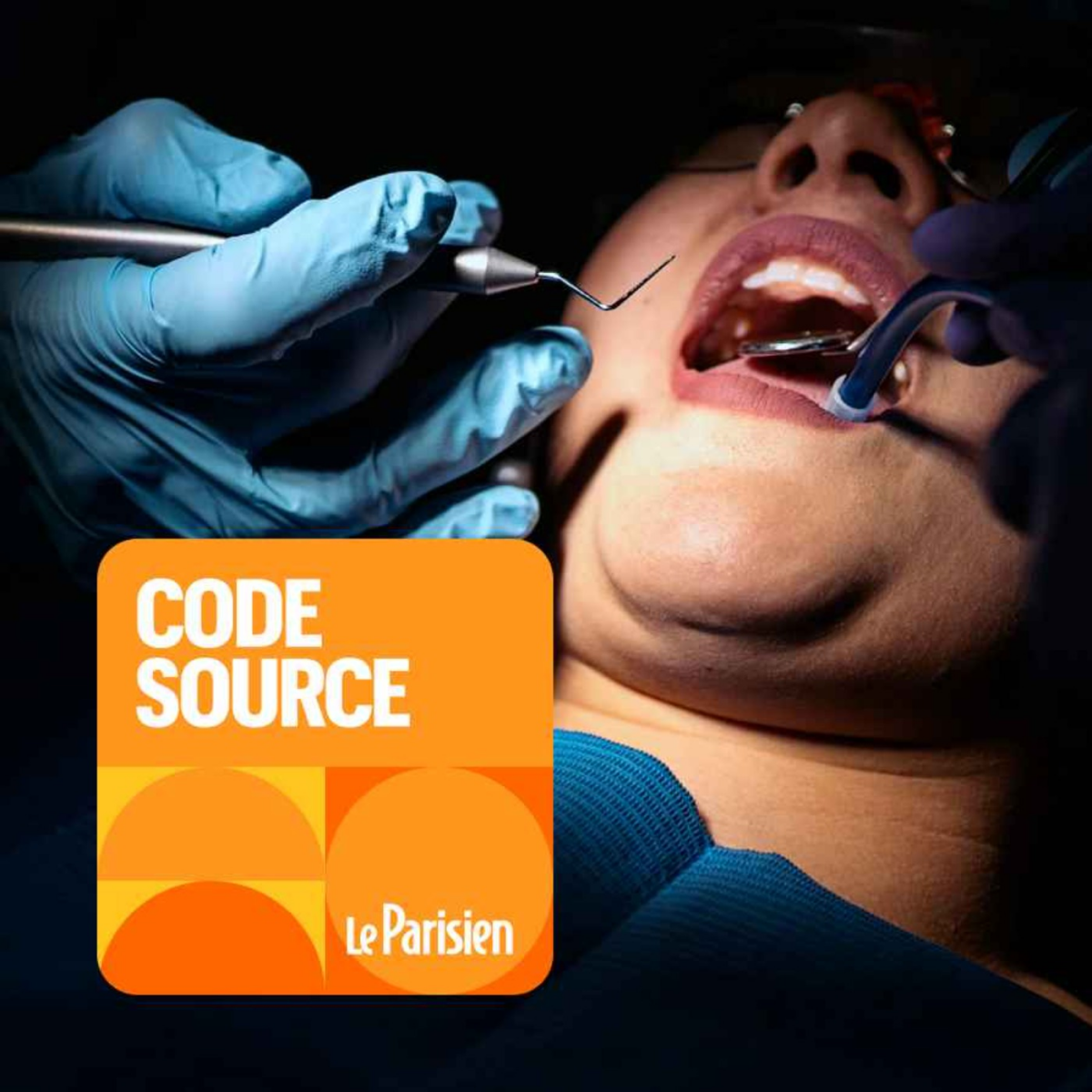
An investigation has uncovered a significant case of medical fraud in Paris, where an individual, identified as Mahiedine A., allegedly practiced dentistry without a professional degree. Operating within several upscale neighborhoods, the individual is accused of causing severe physical harm to patients and engaging in systematic overcharging for dental procedures. The situation has led to the practitioner being struck from the official dental registry.
The Scope of the Deception in Paris
The investigation into Mahiedine A. has revealed a sophisticated deception centered in some of Paris’s most affluent districts. According to the findings, the individual presented himself as a qualified dental professional, potentially claiming credentials from abroad to bypass local scrutiny. However, it has been established that he did not possess the required surgical-dentist diploma necessary to practice medicine in France.
By operating in “beaux quartiers”—the city’s high-end neighborhoods—the practitioner was able to target a demographic that often seeks specialized or premium dental care. This access allowed the unauthorized practice to persist, undermining the trust essential to the patient-provider relationship. The lack of formal training meant that the procedures performed were not governed by the rigorous clinical standards required by medical authorities, posing a direct threat to public health.
Allegations of Physical Harm and Financial Exploitation
The consequences of this unauthorized practice extend beyond the legal violation of practicing without a license; the investigation highlights a pattern of significant physical and financial damage. Patients who sought routine or specialized dental care reported experiencing severe injuries resulting from the procedures. While the specific clinical details of these injuries are handled with medical sensitivity, the investigation describes the impact on patients’ oral health as profound and damaging.
In addition to the physical risks, the investigation has uncovered evidence of systematic overcharging. Patients were reportedly billed exorbitant amounts for various dental services, a practice that suggests the fraudulent operation was not only a matter of medical negligence but also a calculated financial scheme. This combination of medical malpractice and financial fraud characterizes a high-risk scenario for consumer protection in the healthcare sector.
Regulatory Action and the Role of the Dental Order
In response to the discovery of these practices, regulatory authorities have taken decisive action. Mahiedine A. has been struck from the official registry of the Ordre des chirurgiens-dentistes (the French Dental Order). This deregistration is a critical step in preventing further unauthorized practice and serves as a formal recognition that the individual does not meet the legal or professional requirements to provide dental care.
The role of the Dental Order is to ensure that all practitioners meet strict educational, ethical, and professional standards. When a practitioner is removed from this registry, they lose the legal right to use the title of dentist or surgeon-dentist, and their ability to treat patients is officially terminated. This regulatory intervention is designed to protect the public from individuals who lack the necessary training to perform invasive medical procedures safely.
Protecting Patients from Medical Fraud
This case serves as a stark reminder of the importance of patient vigilance and the necessity of robust medical oversight. When seeking specialized healthcare, particularly in private or high-end settings, it is essential to verify that the practitioner is properly licensed and in good standing with their respective national or regional regulatory body.
To safeguard against similar incidents, patients should consider the following steps when selecting a dental or medical provider:
- Verify Credentials: Always check the official registry of the relevant professional order (such as the Ordre des chirurgiens-dentistes in France) to confirm that the practitioner is licensed to perform the specific services they are offering.
- Request Documentation: Professional clinics should be able to provide clear information regarding their staff’s qualifications and certifications upon request.
- Monitor Billing Transparency: Be wary of providers who demand unusual payment methods or provide vague, non-itemized invoices, especially if the costs seem disproportionately high compared to standard market rates.
- Research Patient Outcomes: While individual reviews can be subjective, a history of significant complaints regarding clinical outcomes should be a primary red flag.
The legal proceedings regarding the unauthorized practice and the alleged physical harm caused by Mahiedine A. are expected to continue as authorities finalize their investigation. Further updates regarding potential criminal charges or civil litigation will be released as they become available through official judicial channels.
We encourage our readers to share this article to help raise awareness about medical credential verification. Have you or someone you know encountered issues with medical verification? Share your thoughts in the comments below.