“`html
Moroccan boycott Leads to Cancellation of Algerian Comedian Abdelkader Secteur’s Tour
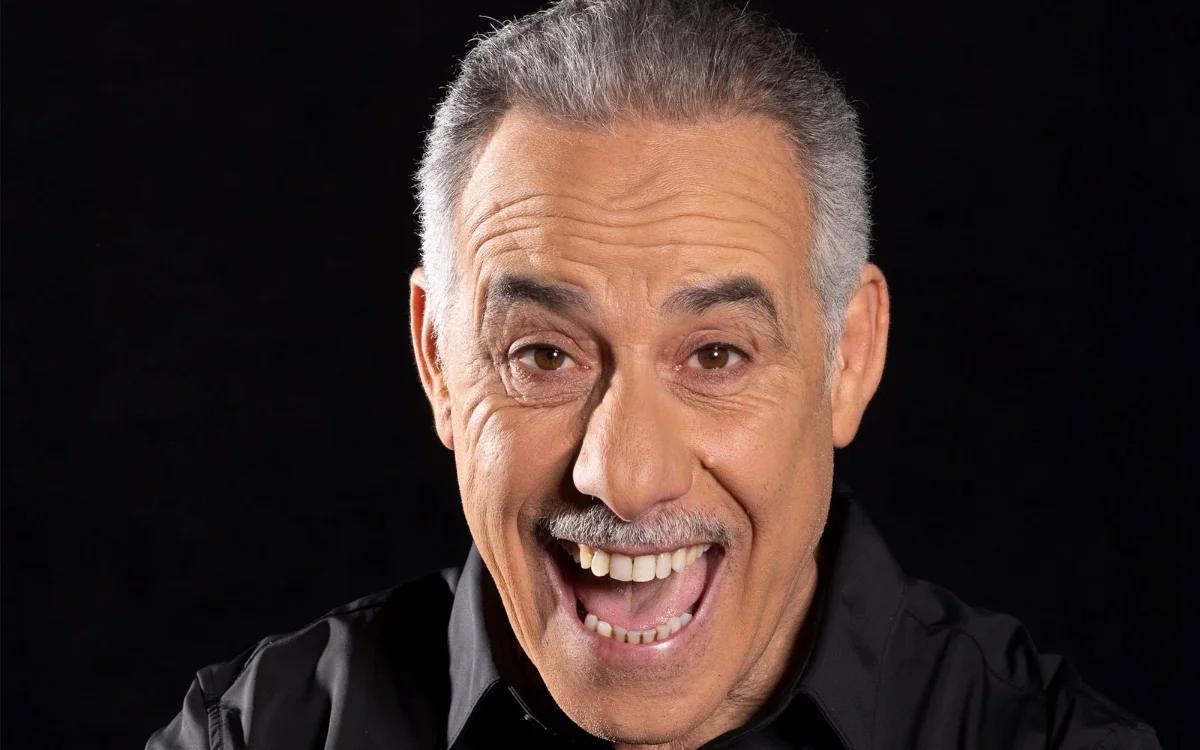
A planned tour by Algerian comedian Abdelkader Secteur in Morocco has been entirely cancelled following a boycott campaign led by Moroccan activists on social media. The cancellations stem from ongoing diplomatic tensions between Rabat and Algiers, and reflect broader debates about cultural exchange amidst political disagreements.
Background: Diplomatic Tensions and Calls for Boycott
Relations between Morocco and Algeria have been strained for decades, marked by disputes over the Western Sahara, border closures, and accusations of interference in each other’s internal affairs. In 2021, Morocco severed diplomatic ties with Algeria, further escalating the tensions. This political climate has fueled calls for boycotts of Algerian artists and cultural products in Morocco, with activists arguing against what they perceive as “normalization” with a country they accuse of hostility.
Cancellation of Tour Dates
The tour, initially titled “Marhaba” (Welcome), was scheduled to include performances in Casablanca (February 6th), Rabat (February 8th), Oujda (March 5th), and Tangier (March 7th). Following the growing online campaign, organizers cancelled all dates, removing promotional materials and issuing refunds through ticketing platforms. the decision directly responds to demands from Moroccan internet users and activists who opposed the presence of Algerian artists given the current political context.
Arguments for and Against the boycott
Supporters of the boycott argue that welcoming Algerian artists constitutes an implicit endorsement of the Algerian government’s policies and undermines Morocco’s national sovereignty.They believe that cultural exchange should be contingent on improved political relations.Critics, however, contend that art and politics should remain separate, and that boycotting artists punishes individuals for the actions of their government. They emphasize the importance of cultural dialog and people-to-people connections, even during times of political discord.
The Debate Over “Normalization”
A central argument within the boycott debate revolves around the concept of “normalization.” Boycott proponents view any form of cultural exchange as normalizing relations with Algeria, thereby lessening pressure on the Algerian government to address Moroccan concerns. Opponents argue that cultural exchange can serve as a bridge for dialogue and understanding, and that isolating Algeria will only exacerbate tensions.
Recent Similar Incidents
This incident is not isolated. Similar calls for boycotts have recently targeted other Algerian artists, including French-Algerian comedian Nawell Madani, highlighting a recurring pattern of politically motivated campaigns against cultural figures from Algeria.
Key Takeaways
- The cancellation of Abdelkader Secteur’s tour demonstrates the impact of social media activism on cultural events in Morocco.
- the boycott reflects ongoing diplomatic tensions between Morocco and Algeria.
- the incident has sparked a debate about the relationship between art, politics, and national sovereignty.
- Similar boycotts targeting Algerian artists have occured recently, indicating a broader trend.