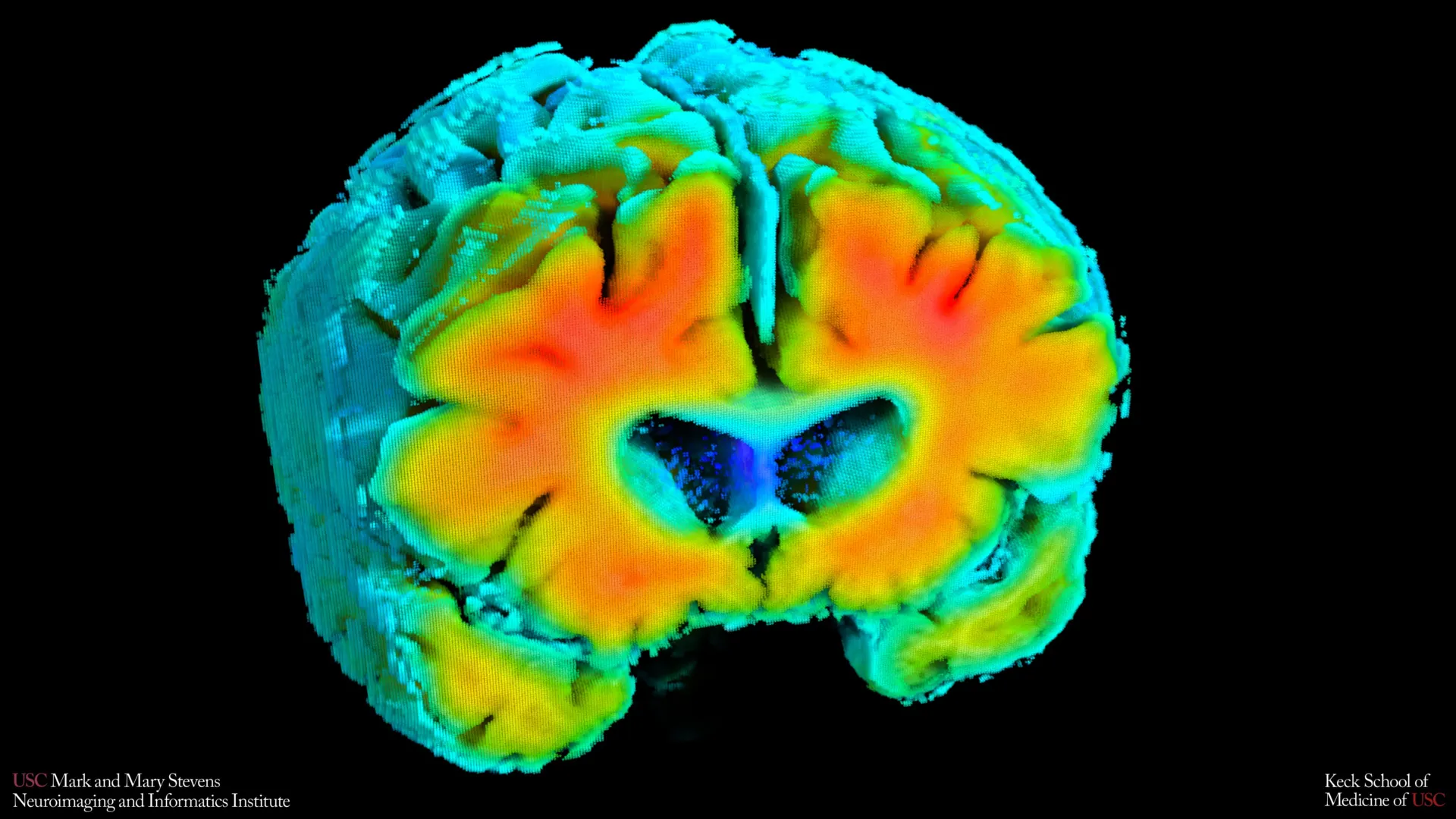
A Silent Warning? Latest Research Links Brain Blood Flow to Early Alzheimer’s Risk
For decades, the hallmarks of Alzheimer’s disease have been understood to be the buildup of amyloid plaques and tau tangles in the brain. But emerging research suggests the story is far more complex. A new study from the Mark and Mary Stevens Neuroimaging and Informatics Institute (Stevens INI) at the Keck School of Medicine of USC reveals a compelling link between the health of the brain’s vascular system – the network of blood vessels supplying oxygen and nutrients – and the earliest signs of Alzheimer’s disease. This groundbreaking work suggests that subtle changes in blood flow and oxygen delivery may precede the development of cognitive decline, potentially offering a new window for early detection, and intervention. Understanding the interplay between vascular health and neurodegeneration is becoming increasingly crucial in the fight against this devastating disease, which currently affects over 7 million Americans, according to the Alzheimer’s Association’s 2025 Facts and Figures report.
The study, published in Alzheimer’s & Dementia: The Journal of the Alzheimer’s Association, examined older adults with varying degrees of cognitive function. Researchers discovered that noninvasive measurements of brain blood flow and oxygenation correlated with key indicators of Alzheimer’s pathology, including amyloid plaque burden and the size of the hippocampus, a brain region vital for memory formation. This finding reinforces a growing body of evidence suggesting that vascular health isn’t merely a consequence of Alzheimer’s, but may actually play a critical role in its development. The implications are significant: if we can identify and address vascular issues early on, we might be able to delay or even prevent the onset of symptoms.
“Amyloid and tau are often considered the primary players in Alzheimer’s disease, but blood flow and oxygen delivery are also critical,” explains Amaryllis A. Tsiknia, a PhD candidate at USC and lead author of the study. “Our results show that when the brain’s vascular system functions more like it does in healthy aging, we also notice brain features that are linked to better cognitive health.” This suggests that maintaining robust cerebral blood flow could be a protective factor against the disease, offering a new avenue for preventative strategies.
Noninvasive Techniques Offer a New Look at Brain Health
What makes this research particularly promising is the use of readily available, noninvasive techniques to assess brain vascular function. The team employed two methods: transcranial Doppler ultrasound, which measures the speed of blood flow through major brain arteries, and near-infrared spectroscopy, which evaluates how effectively oxygen reaches brain tissue. These techniques are painless, relatively inexpensive, and don’t require injections or radiation exposure, making them potentially suitable for large-scale screening programs. News-Medical.net details how these methods were utilized in the study.
Researchers then used advanced mathematical modeling to combine the data from these two techniques into comprehensive indicators of cerebrovascular function. These indicators reflect the brain’s ability to adjust blood flow and oxygen delivery in response to natural fluctuations in blood pressure and carbon dioxide levels. A healthy vascular system demonstrates a dynamic and responsive ability to regulate these processes, ensuring that brain cells receive the oxygen and nutrients they need to function optimally.
Vascular Health and Alzheimer’s Biomarkers: A Clear Connection
The study revealed a striking correlation between vascular health indicators and established Alzheimer’s biomarkers. Participants with vascular function more closely resembling that of cognitively healthy adults exhibited lower levels of amyloid plaques and a larger hippocampus volume. Both of these factors are strongly associated with a reduced risk of developing Alzheimer’s disease. This suggests that a well-functioning vascular system may support protect against the accumulation of amyloid and preserve the structural integrity of the hippocampus, a region crucial for memory consolidation.
“These vascular measures are capturing something meaningful about brain health,” says Meredith N. Braskie, PhD, senior author of the study and assistant professor of neurology at the Keck School of Medicine. “They appear to align with what we see on MRI and PET scans that are commonly used to study Alzheimer’s disease, providing important information about how vascular health and standard brain measures of Alzheimer’s disease risk may be related.” This alignment suggests that vascular health assessments could complement existing diagnostic tools, providing a more comprehensive picture of an individual’s risk profile.
Conversely, individuals diagnosed with mild cognitive impairment or dementia demonstrated weaker vascular function compared to those with normal cognitive abilities. This finding supports the idea that declining blood vessel health in the brain is an integral part of the Alzheimer’s disease continuum, rather than simply a consequence of the disease process. It also raises the possibility that addressing vascular risk factors – such as high blood pressure, diabetes, and smoking – could potentially slow the progression of the disease.
Expanding Our Understanding of Alzheimer’s Disease
Arthur W. Toga, PhD, director of the Stevens INI, emphasizes the significance of these findings in the broader context of Alzheimer’s research. “These findings add to growing evidence that Alzheimer’s involves meaningful vascular contributions in addition to classic neurodegenerative changes,” he states. “Understanding how blood flow and oxygen regulation interact with amyloid and brain structure opens new doors for early detection and potentially prevention.” The Stevens INI is at the forefront of this research, leveraging advanced neuroimaging and informatics techniques to unravel the complexities of Alzheimer’s disease.
The institute’s work extends beyond this specific study. As highlighted in a press release from Keck School of Medicine of USC, the Stevens INI is actively involved in the Global Alzheimer’s Association Interactive Network (GAAIN), a global data-sharing platform designed to accelerate scientific discovery by making critical research data more accessible worldwide. This collaborative effort is crucial for advancing our understanding of Alzheimer’s disease and developing effective treatments.
The Potential for Early Screening and Prevention
One of the most exciting aspects of this research is the potential for developing more accessible and affordable screening tools for Alzheimer’s risk. Compared to expensive and complex imaging techniques like MRI and PET scans, transcranial Doppler ultrasound and near-infrared spectroscopy are relatively inexpensive and effortless to administer. They don’t involve radiation exposure or require patients to perform demanding tasks, making them suitable for a wider range of individuals, including those who may be unable to undergo more intensive brain imaging. This could pave the way for large-scale screening programs aimed at identifying individuals at risk before the onset of noticeable symptoms.
However, the researchers caution that these findings represent a snapshot in time and do not establish a direct cause-and-effect relationship. Ongoing longitudinal studies are tracking participants to determine whether changes in vascular measures can predict future cognitive decline or response to treatment. “If we can track these signals over time, we may be able to identify people at higher risk earlier and test whether improving vascular health can slow or reduce Alzheimer’s-related brain changes,” Tsiknia explains.
Key Takeaways
- Vascular health matters: The health of your brain’s blood vessels is linked to early Alzheimer’s risk.
- Noninvasive assessment: New techniques offer a promising way to assess brain blood flow without invasive procedures.
- Early detection potential: These methods could lead to earlier identification of individuals at risk for Alzheimer’s disease.
- Lifestyle factors: Maintaining good cardiovascular health through diet, exercise, and managing conditions like high blood pressure may be protective.
The research team is continuing to investigate the complex interplay between vascular health and Alzheimer’s disease. Future studies will focus on identifying specific vascular risk factors that are most strongly associated with the disease and developing targeted interventions to improve cerebral blood flow and protect against cognitive decline. The ultimate goal is to translate these findings into practical strategies for preventing and treating this devastating illness.
The next step in this research will be to analyze data from the ongoing longitudinal studies, tracking participants over several years to determine whether changes in vascular measures can accurately predict future cognitive decline. Researchers anticipate having more definitive results within the next five years. For more information on Alzheimer’s disease and ongoing research efforts, please visit the Alzheimer’s Association website.
This research offers a glimmer of hope in the fight against Alzheimer’s disease, highlighting the importance of vascular health as a potential target for prevention and early intervention. Share this article with your network to raise awareness about this critical connection and encourage a proactive approach to brain health. We welcome your thoughts and experiences in the comments below.
Keep reading