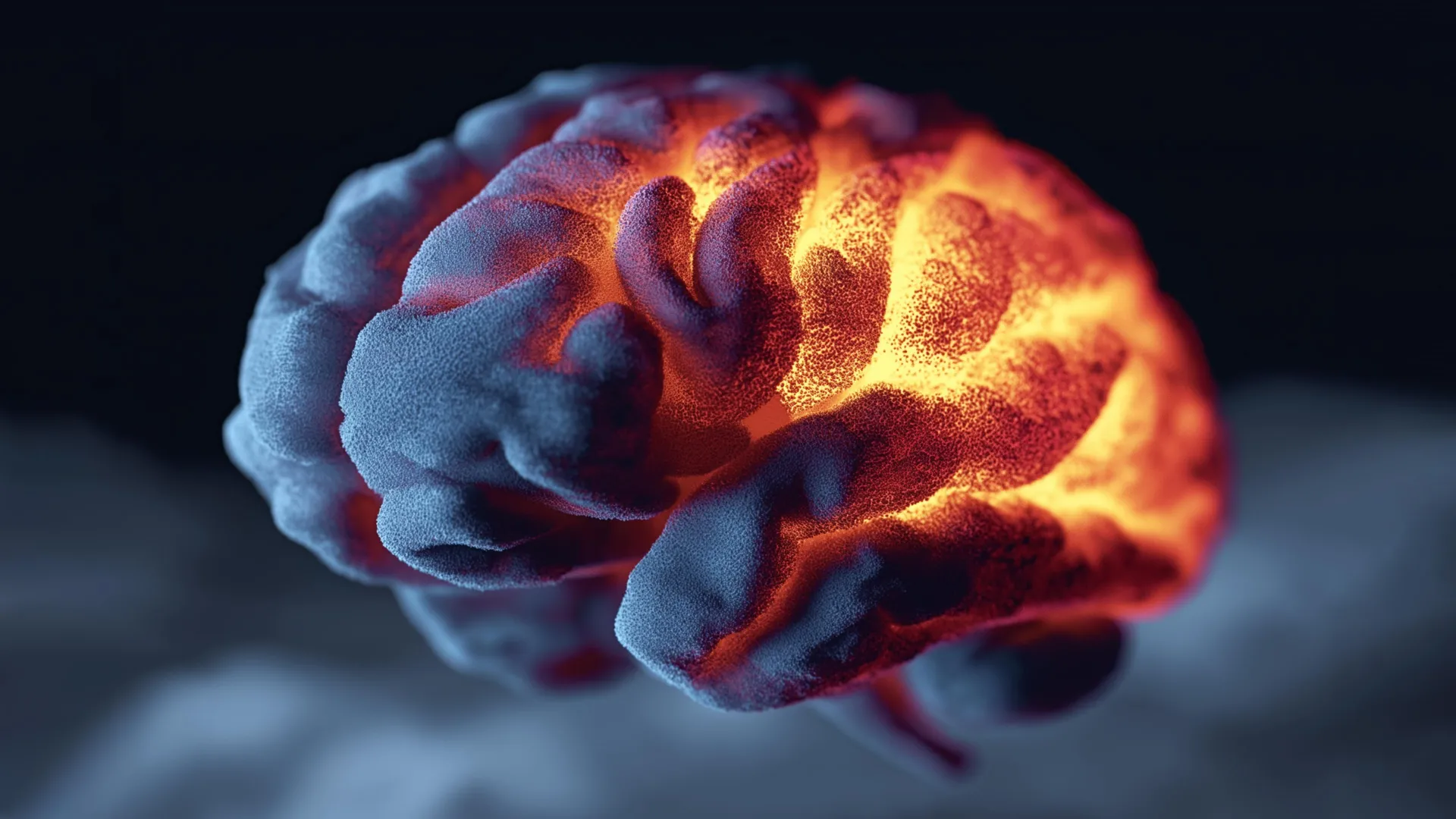
For decades, medical science has viewed hypertension primarily through the lens of kidney function, diet, and cardiovascular health. However, new research is shifting the focus toward the command center of the body. Scientists have discovered a surprising brain trigger behind high blood pressure, identifying a specific region in the brainstem that may play a direct role in the development of hypertension.
This discovery suggests that the mechanisms controlling our most basic autonomic functions—such as breathing—are more deeply intertwined with our circulatory system than previously understood. By tracing the neurological pathways that lead to increased vascular tension, researchers are uncovering how a small cluster of neurons can influence systemic blood pressure across the entire body.
The findings highlight a critical link between the brain’s respiratory control centers and the sympathetic nervous system. When certain regions of the brainstem are activated, they do more than just regulate breath. they can trigger a cascade of signals that tighten blood vessels, effectively raising blood pressure and potentially contributing to chronic hypertension.
The Connection Between Breathing and Blood Pressure
The brain region identified in these studies is primarily responsible for managing breathing, particularly during forceful exhalations. This includes activities such as coughing, laughing, or intense physical exercise. Even as these actions are necessary for respiratory function, the research indicates that the same area of the brainstem also activates nerves that cause blood vessels to constrict.

This constriction reduces the diameter of the arteries, which increases the resistance against which the heart must pump, thereby elevating blood pressure. The discovery that a brain region linked to breathing may trigger high blood pressure suggests that the neurological “cross-talk” between respiratory and cardiovascular controls may be a primary driver for some individuals experiencing hypertension.
In experimental settings, researchers were able to test this hypothesis by “switching off” this specific brain region. When the area was deactivated, blood pressure levels dropped back toward normal. This result provides strong evidence that this brainstem region is not merely a bystander but a direct contributor to the elevation of blood pressure.
Why This Discovery Matters for Hypertension Treatment
Understanding the neurological origin of high blood pressure is a significant step toward developing more targeted therapies. Most current hypertension medications focus on the heart, the kidneys, or the blood vessels themselves—such as beta-blockers or ACE inhibitors. However, these treatments address the symptoms and the peripheral mechanisms rather than the central trigger in the brain.
If the brainstem is the source of the signal causing blood vessels to tighten, it opens the door for medical innovations that target the nervous system. By modulating the activity of these specific neurons, doctors may be able to lower blood pressure more effectively for patients who do not respond well to traditional medications.
This research also prompts a broader question in the medical community: is your brain actually to blame for high blood pressure? For many, the answer may lie in how the brainstem manages the balance between respiratory effort and vascular tone.
Key Takeaways on the Brain-Blood Pressure Link
- Location: The trigger is located in a small region of the brainstem normally associated with breathing.
- Mechanism: Forceful exhalations (like coughing or exercise) activate neurons that tighten blood vessels.
- Evidence: Experiments showed that deactivating this brain region caused blood pressure to return to normal levels.
- Impact: This discovery may lead to new treatments that target the brain’s control centers rather than just the peripheral organs.
The Path Toward New Medical Innovations
The identification of the brain region behind high blood pressure provides a roadmap for future pharmacological and surgical interventions. While the research is currently in the experimental stage, the ability to reverse hypertension by modulating brain activity is a promising development for public health.
As we move forward, the focus will likely shift toward determining how to safely inhibit this brain region in humans without interfering with the essential process of breathing. This delicate balance is the next frontier for researchers in neurology and cardiology.
For those currently managing hypertension, these findings underscore the importance of a comprehensive approach to health. While we await new treatments based on this neurological discovery, maintaining a healthy lifestyle and following prescribed medical guidance remains the gold standard for cardiovascular care.
Further official updates on clinical applications of this research are expected as the study moves from experimental models to human-centric trials. We encourage our readers to share this article and exit their thoughts on how neurological health impacts cardiovascular wellness in the comments below.