
Health authorities in Brazil are maintaining a high state of vigilance as several regions struggle with an uptick in severe respiratory infections. In the Federal District (DF), casos graves de gripe continuam em nível de alerta, reflecting a broader national trend where respiratory syndromes are challenging the public health infrastructure ahead of the traditional winter season.
According to the Infogripe bulletin from the Fundação Oswaldo Cruz (Fiocruz), 18 states and the Federal District remain in a state of alert, risk, or high risk for severe cases of influenza-like syndromes Fiocruz mantiene alerta. The situation is particularly concerning in Mato Grosso and Maranhão, while 13 of the monitored locations are showing a trend of increasing cases in the coming weeks.
Medical experts are focusing on the prevalence of Influenza A and rhinovirus, which together accounted for more than 70% of the cases with a positive viral diagnosis in recent weeks Fiocruz report. While the long-term national trend suggests stability, the immediate risk remains high for vulnerable populations, prompting an urgent push for vaccination across the country.
Understanding Severe Acute Respiratory Syndrome (SRAG)
The primary concern for health officials is the progression from a common flu to Severe Acute Respiratory Syndrome (SRAG). SRAG occurs when a patient presenting with typical flu symptoms—such as fever, runny nose and cough—experiences a worsening of the clinical picture, leading to difficulty breathing and the necessity of hospitalization Fiocruz definition.
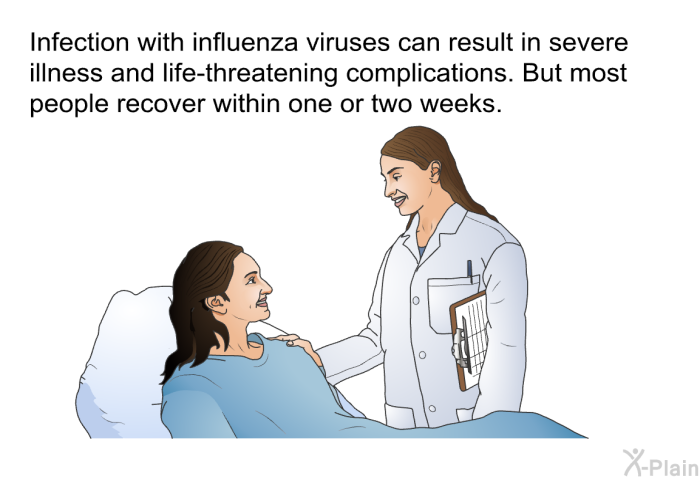
While these severe cuadros are generally triggered by viral infections, the exact causative agent is not always confirmed through laboratory tests. Though, the Ministry of Health identifies three primary infections that cause SRAG and can be prevented by vaccines available through the Unified Health System (SUS): Influenza A, Influenza B, and Covid-19 SUS vaccination.
The Nature of the Influenza Virus
Influenza is an acute infection of the respiratory system with high transmission potential. There are four distinct types of influenza viruses: A, B, C, and D Ministry of Health. Types A and B are the primary drivers of seasonal epidemics, with Type A specifically responsible for major global pandemics.
Type A viruses are found in humans and various animal species, including swine, horses, marine mammals, and birds. Migratory birds play a critical role in the natural global dissemination of these viruses Virus dissemination. Currently, the subtypes A(H1N1)pdm09 and A(H3N2) circulate seasonally among humans, though avian-origin viruses like A(H5N1) and A(H7N9) can also cause severe human disease.
Type B viruses infect humans exclusively and are divided into two main lineages: B/Yamagata and B/Victoria Influenza B lineages. Type C generally causes mild infections and is not linked to epidemics, while Type D has been isolated in cattle and swine in the United States and is not known to infect humans.
Risk Factors and Prevention Strategies
The National Vaccination Campaign against Influenza is currently active throughout Brazil. The campaign prioritizes groups most susceptible to developing severe complications, specifically children aged 6 months to under 6 years, the elderly, and pregnant women Vaccination priority.
For those monitoring their health, the Ministry of Health lists the primary symptoms of the flu as fever, sore throat, cough, body aches, and headache Flu symptoms. While healthy adults may experience varying intensities of these symptoms, those in the priority groups are at a higher risk of transitioning to the severe respiratory syndrome mentioned above.
Regional Outlook and Monitoring
The surveillance network for influenza-like syndromes has been established in Brazil since 2000, focusing on the identification and monitoring of these cases to prevent healthcare system collapse Surveillance network. Currently, the risk is not uniform across the country. while the Federal District remains on alert, states like Acre, Tocantins, Bahia, and Pernambuco are also expected to witness a worsening scenario in the coming weeks Regional risks.
| Region/State | Status | Trend |
|---|---|---|
| Federal District (DF) | Alert | Monitoring |
| Mato Grosso & Maranhão | Preocupante (Concerning) | Increasing |
| Acre, Tocantins, Bahia, Pernambuco | Risk | Worsening |
Key Takeaways for Public Health
- Vaccination is critical: The SUS provides vaccines for Influenza A, B, and Covid-19 to prevent severe respiratory failure.
- Monitor symptoms: Fever and cough that progress to difficulty breathing require immediate medical attention.
- High-risk groups: Children (6mo-6yrs), elderly, and pregnant women are the primary targets for current health interventions.
- Viral drivers: Influenza A and rhinovirus are currently the most prevalent agents in positive diagnoses.
Public health authorities continue to monitor the situation through the Infogripe bulletins. The next phase of monitoring will focus on whether the observed stability in some regions holds as the winter season progresses. Residents in alert zones are encouraged to visit their local health centers to ensure their vaccinations are up to date.
Do you have questions about the current vaccination campaign or respiratory health? Share your thoughts in the comments below.