
Diplomatic efforts to curb Tehran’s nuclear ambitions have reached a critical juncture following the conclusion of a fresh round of US-Iran nuclear talks in Oman. While the meetings signal a persistent desire for a diplomatic resolution, they have also exposed a profound gap in expectations regarding the long-term stability of the region’s security architecture.
The negotiations, which recently wrapped up in the Gulf sultanate, aimed to establish a framework for restricting Iran’s nuclear capabilities. However, the atmosphere remains tense as both Washington and Tehran struggle to find common ground on the duration of key concessions. According to The Times of Israel, another round of discussions is already planned for the coming days, suggesting that neither side is ready to walk away from the table entirely.
At the heart of the current impasse is a reported dispute over the freeze of uranium enrichment. While official details remain guarded, reports indicate a significant divide: the United States is reportedly seeking a commitment from Iran to freeze its enrichment activities for 20 years. In contrast, Tehran has allegedly countered with a proposal for a much shorter window of five years. This discrepancy highlights the fundamental tension between Washington’s demand for a generational guarantee and Iran’s preference for a shorter, more flexible timeline.
The Oman Deadlock and the Enrichment Divide
The choice of Oman as a venue underscores the sultanate’s long-standing role as a discreet intermediary in Middle East geopolitics. For the U.S., the primary goal is to ensure that the Tehran nuclear program cannot be rapidly pivoted toward weaponization. A 20-year freeze would effectively neutralize the immediate threat and provide a stable window for broader diplomatic normalization.
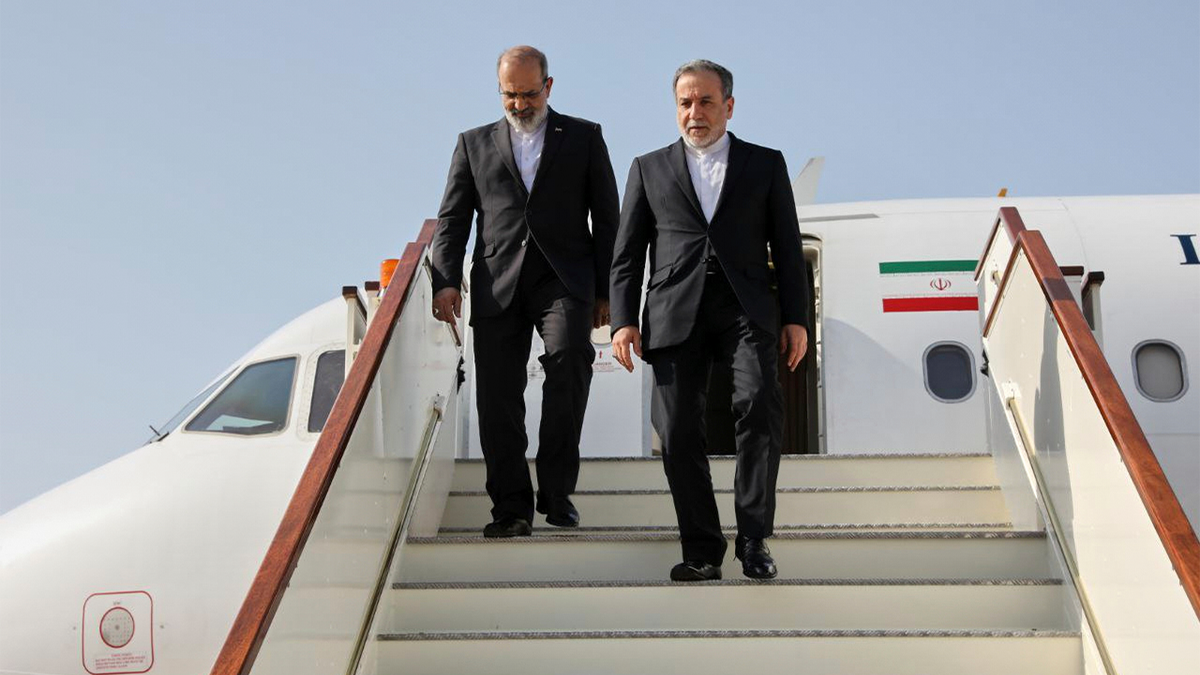
Tehran, however, views such a lengthy restriction as an infringement on its sovereign right to peaceful nuclear energy and a strategic vulnerability. The reported counter-offer of a five-year freeze reflects Iran’s desire to maintain leverage and ensure that any concessions are met with immediate and tangible relief from economic sanctions. This tug-of-war over timelines is not merely about numbers; it is about who holds the strategic advantage in a volatile region.
Regional Anxiety and the ‘Phase Two’ Threat
The ongoing US-Iran nuclear talks are being watched with intense scrutiny by Israel, which remains deeply skeptical of any deal that does not permanently dismantle Iran’s enrichment infrastructure. Israeli officials have expressed ongoing worry that a temporary freeze may simply provide Tehran with the cover to refine its capabilities in secret.
Adding to the volatility is the rhetoric coming from the U.S. Administration. President Trump has reportedly threatened a “Phase Two” approach if diplomatic efforts fail to produce a sufficiently restrictive agreement. As noted by Kompas.id, these threats of escalation serve as a “maximum pressure” tactic designed to force Tehran into accepting the more stringent 20-year terms.
The intersection of nuclear diplomacy and regional conflict is further complicated by the situation in Gaza. President Trump is scheduled to meet with Prime Minister Benjamin Netanyahu next week to discuss a comprehensive strategy that encompasses both the Gaza ceasefire and the Iranian nuclear threat, according to VOI.id. This high-level coordination suggests that the U.S. Is attempting to link various Middle Eastern security files into a single, overarching strategic framework.
What This Means for Global Stability
The stakes of these negotiations extend far beyond the borders of Iran. A failure to reach an agreement could trigger a new cycle of sanctions and potential military escalations, which would inevitably impact global energy markets and the stability of the Strait of Hormuz. Conversely, a successful deal—even one with a compromised timeline—could provide a much-needed cooling-off period in a region currently plagued by proxy conflicts and diplomatic fragility.
For the international community, the focus remains on nuclear non-proliferation. The challenge for the current round of diplomacy is to create a mechanism that is verifiable and durable. A five-year agreement, as proposed by Tehran, would require frequent renewals and constant monitoring, increasing the risk of collapse. A 20-year agreement, while more stable, is currently viewed by Iran as a diplomatic non-starter.
| Stakeholder | Proposed Freeze Duration | Primary Objective |
|---|---|---|
| United States | 20 Years (Reported) | Long-term security guarantee and non-proliferation |
| Iran | 5 Years (Reported) | Sovereign rights and immediate sanctions relief |
As the world awaits the results of the next round of talks, the primary question remains whether the “Phase Two” threats will compel Tehran to bend, or if the deadlock will lead to a more confrontational era of U.S.-Iran relations. The upcoming meeting between President Trump and Prime Minister Netanyahu will likely provide further clues as to whether the U.S. Is preparing for a diplomatic breakthrough or a strategic pivot toward harder measures.
The next confirmed checkpoint in this diplomatic process is the second round of talks in Oman, which is expected to take place in the coming days. We will continue to monitor these developments as they unfold.
Do you believe a short-term freeze is a viable step toward long-term peace, or is a generational commitment necessary? Share your thoughts in the comments below.