/https://i.s3.glbimg.com/v1/AUTH_da025474c0c44edd99332dddb09cabe8/internal_photos/bs/2022/5/R/0pufbBREO8hOBvFlaj9w/taxis-2-guilherme-pinto.jpg)
The Brazilian government is moving to address a systemic financial barrier facing millions of urban transport workers by planning a specialized credit program designed to facilitate vehicle acquisition for app-based drivers and taxi operators. This initiative seeks to bridge the gap between the high demand for ride-sharing services and the precarious financial position of the workers who power them, who often struggle to secure traditional bank loans due to the irregular nature of gig-economy income.
For many ride-share drivers, the vehicle is not merely a tool but the primary capital asset of their business. However, the “uberization” of labor has created a paradox: while the workforce has expanded rapidly, the financial infrastructure to support these independent contractors has lagged. By introducing financing for app drivers in Brazil with preferential conditions, the federal administration aims to reduce the reliance on high-interest private loans and predatory lending practices that often erode the thin profit margins of platform workers.
As a financial journalist who has spent nearly two decades analyzing global markets and economic policy, I view this move as more than just a social subsidy. We see a strategic intervention in the labor market. When workers are burdened by unsustainable debt, their productivity drops and the overall stability of the urban transport ecosystem is compromised. By lowering the barrier to entry and ownership, the government is effectively attempting to formalize the financial life of the gig worker.
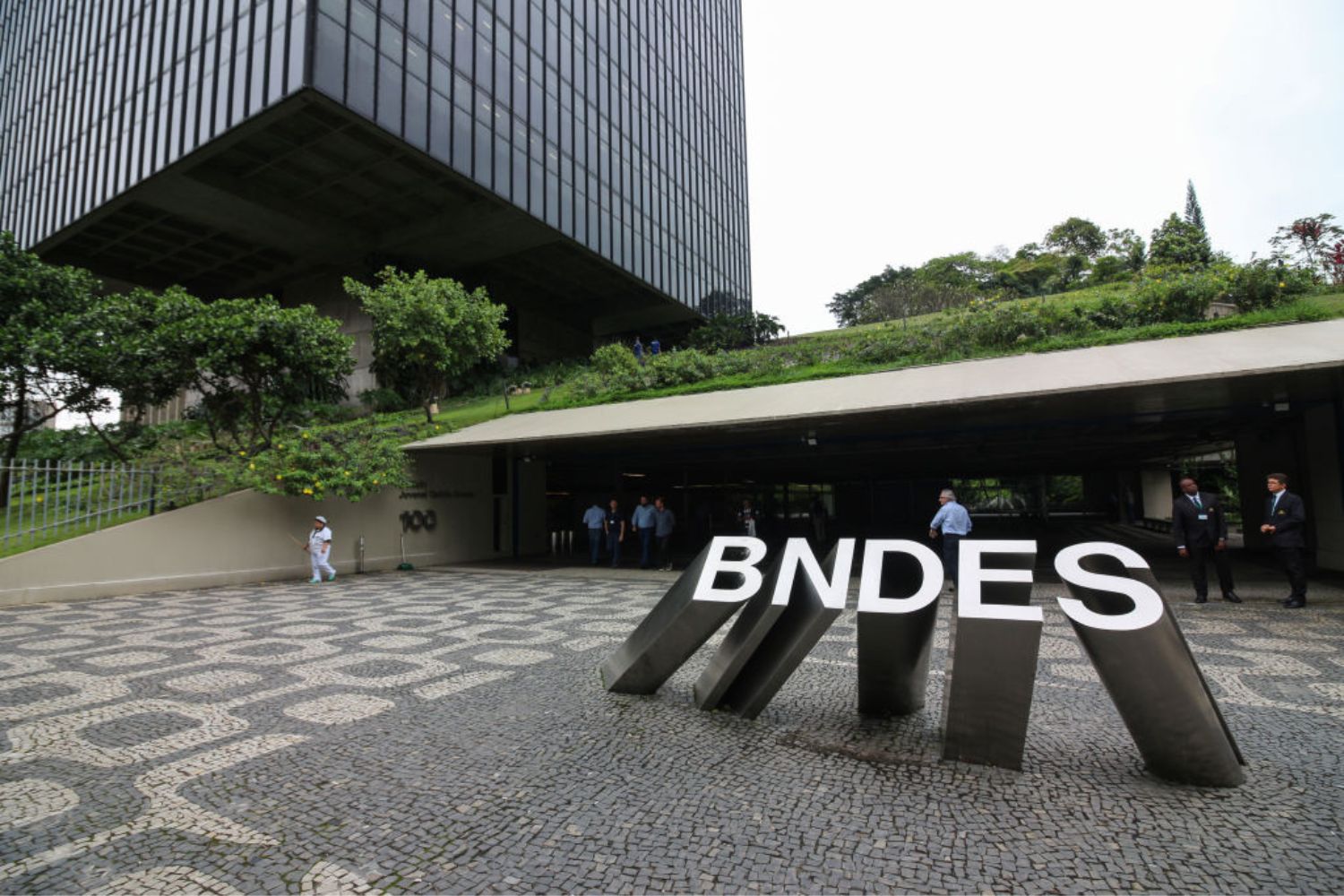
The proposed program is expected to leverage the capacity of public financial institutions, potentially including the National Bank for Economic and Social Development (BNDES) and other state-owned banks, to offer rates that are significantly lower than those currently available in the commercial retail market. This shift could allow drivers to upgrade to newer, more fuel-efficient, or even electric vehicles, aligning economic relief with environmental goals.
Addressing the Credit Gap in the Gig Economy
The fundamental challenge for app drivers is the lack of a traditional pay stub. Most commercial banks utilize rigid credit-scoring models based on fixed monthly salaries—a metric that does not align with the fluctuating daily earnings of a driver. This often pushes workers toward “fintech” solutions or private lenders that charge exorbitant interest rates, creating a cycle of debt that is difficult to break.
This planned government intervention recognizes the app driver as a micro-entrepreneur rather than a traditional employee. By creating specific criteria for creditworthiness that account for platform earnings history rather than traditional employment contracts, the government is attempting to modernize the definition of “solvency” for the 21st-century worker. This is a critical step toward financial inclusion for a sector that has grown faster than the regulations governing it.
The economic logic is straightforward: lower interest payments translate directly into higher take-home pay for the driver. In a market where fuel costs and platform commissions already consume a significant portion of gross revenue, a reduction in the monthly cost of vehicle financing can be the difference between a sustainable living and working in a state of permanent financial fragility.
Sustainability and the Push for Fleet Modernization
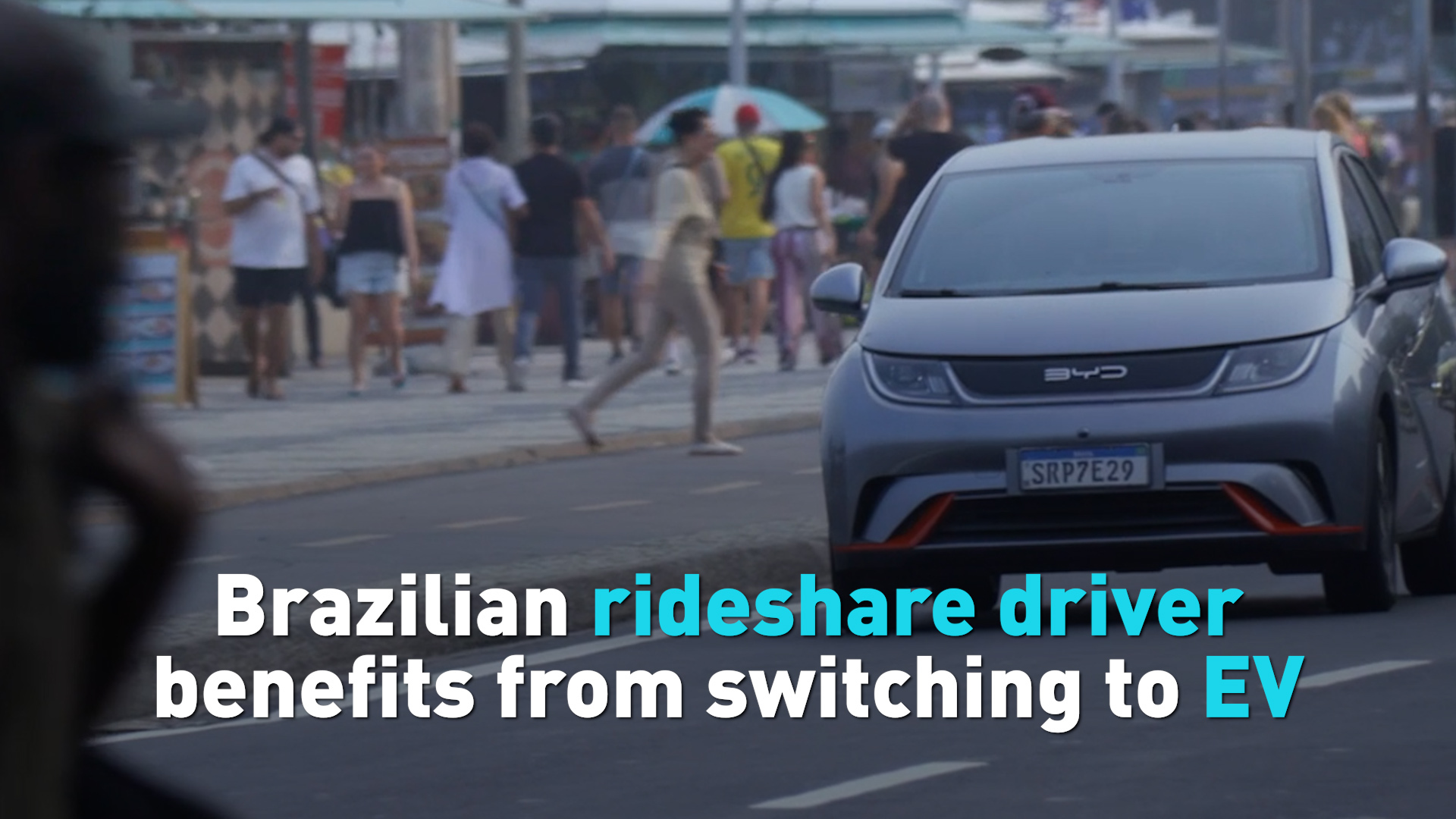
Beyond immediate financial relief, the government’s plan is closely tied to the broader goal of urban sustainability. Brazil has been steadily increasing its focus on reducing carbon emissions in metropolitan areas and the ride-sharing fleet represents a significant portion of urban traffic. There is a strong expectation that the new credit lines will include incentives for the purchase of electric (EV) or hybrid vehicles.
Modernizing the fleet is not only an environmental imperative but an economic one. Electric vehicles, while having a higher upfront cost, offer significantly lower operational expenses per kilometer compared to internal combustion engines. For a driver covering 200 to 300 kilometers a day, the transition to an EV could drastically increase their net monthly income once the initial financing is secured through government-backed, low-interest loans.
This alignment of social policy and environmental strategy is a hallmark of current Brazilian economic planning. By directing credit toward “green” transport, the administration can meet international climate commitments while simultaneously providing a tangible economic benefit to a politically influential segment of the working class.
Political Drivers and Social Impact
The push for this financing program has not happened in a vacuum. It is the result of intense advocacy from labor representatives and political figures who argue that platform workers are currently exploited by a system that demands professional-grade equipment (a reliable, modern car) without providing the professional-grade financial tools to acquire it. Federal deputies and labor organizers have highlighted that the current lack of credit forces many drivers to rent vehicles at high daily rates, which further diminishes their earnings.
By shifting the model from rental to ownership, the government is encouraging asset accumulation among the working class. Ownership provides a level of security and equity that renting cannot; a paid-off vehicle becomes an asset that the worker owns outright, providing a safety net that is currently absent for the majority of app-based operators.
this initiative serves as a litmus test for how the state intends to handle the “platformization” of work. If successful, this model of targeted, sector-specific credit could be expanded to other gig-economy roles, such as delivery couriers, who face similar hurdles in accessing affordable financing for their motorcycles or bicycles.
Implementation Challenges and the Role of Public Banks
Despite the promise of the program, the transition from a “plan” to a “functional loan” is fraught with operational challenges. The primary hurdle is risk management. Public banks, such as BNDES, must balance the social goal of providing cheap credit with the fiscal necessity of ensuring loan repayment. Because app drivers lack traditional guarantees, the government may need to implement a guarantee fund or a specialized insurance mechanism to mitigate the risk of default.
Another challenge is the verification of income. To prevent fraud and ensure the credit reaches genuine workers, the government will likely need to establish data-sharing agreements with platforms like Uber, and 99. This raises important questions about data privacy and the role of private corporations in determining who qualifies for public credit. The success of the program will depend on creating a seamless, digital verification process that does not alienate the drivers it intends to help.
the timing of the rollout is critical. With inflation and interest rates remaining volatile, the government must ensure that the “preferential” rates offered are truly lower than the market average and are protected from sudden spikes that could make the loans unaffordable for the target demographic.
Key Takeaways for Prospective Applicants
- Target Audience: The program is specifically designed for professional taxi drivers and ride-share (app) drivers.
- Primary Goal: To provide lower-interest loans for the purchase of new or used vehicles, reducing the cost of operation.
- Sustainability Focus: Expect preferential terms for those opting for electric or hybrid vehicles to align with environmental goals.
- Financial Inclusion: The initiative seeks to replace rigid traditional credit scoring with models that recognize platform-based earnings.
- Ownership vs. Rental: The shift is intended to move drivers away from expensive daily rentals toward long-term asset ownership.
What Happens Next?
The program is currently in the planning and coordination phase between the federal government and public financial institutions. The next critical checkpoint will be the official publication of the operational guidelines, which will detail the exact interest rates, maximum loan amounts, and the specific documentation required for application.
Drivers are encouraged to maintain updated records of their platform earnings and ensure their registration with the relevant municipal transport authorities is current, as these will likely be the primary documents used to verify eligibility. Once the regulatory framework is finalized and the credit lines are opened at public banks, a formal application window is expected to open.
We will continue to monitor the developments of this policy and provide updates as the official terms are released. Do you believe government-backed credit is the best way to support gig workers, or should the focus be on platform regulation? Share your thoughts in the comments below.