Brazil’s Supreme Court Convicts Alleged Masterminds in Marielle Franco Murder
In a landmark ruling delivered on Wednesday, Brazil’s Supreme Federal Court convicted two former lawmakers, Chiquinho and Domingos Brazão, as the masterminds behind the 2018 assassination of Rio de Janeiro City Councilwoman Marielle Franco and her driver, Anderson Gomes. The brothers were found guilty of double homicide, attempted homicide, and belonging to an armed criminal organization. Sentencing will be determined at a later date, marking a significant step towards justice in a case that sparked national and international outrage. The conviction follows years of investigation and political maneuvering, highlighting the deep-seated corruption and powerful interests implicated in the crime.
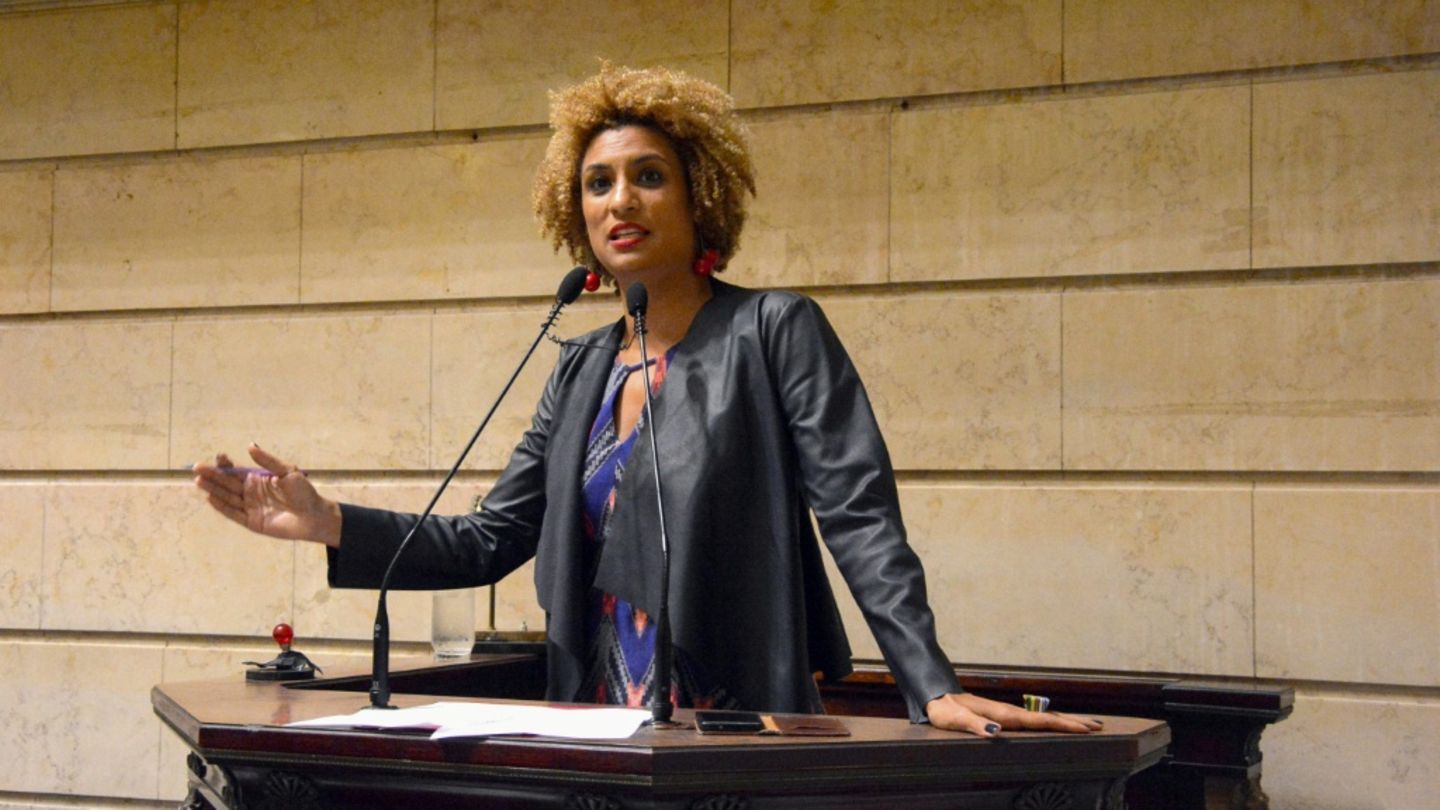
The brutal murder of Franco, a prominent Black, queer, and feminist activist, and Gomes on March 14, 2018, sent shockwaves through Brazil and beyond. Franco, a vocal critic of police brutality and corruption, was shot at close range while traveling in her car near the Centro neighborhood of Rio de Janeiro. Her aide, Fernanda Chaves, survived the attack. The brazen nature of the assassination, and the subsequent sluggish pace of the investigation, fueled accusations of a cover-up and underscored the vulnerability of human rights defenders in Brazil. According to Amnesty International, Brazil remains one of the most dangerous countries in the world for human rights activists.
A Case Rooted in Land Grabbing and Political Power
The Supreme Court’s unanimous verdict established that the Brazão brothers orchestrated the murder due to Franco’s opposition to plans to legalize illegally seized land by powerful militias. These militias, originating as self-defense groups in the 1980s composed of former police officers and security personnel, have evolved into criminal organizations that control vast territories in Rio de Janeiro, extorting residents and competing with drug gangs. As Justice Alexandre de Moraes, the presiding judge, stated, the Brazão brothers were not merely connected to the militia; “they *were* the militia.” This connection to organized crime and illicit land control proved central to the court’s findings.
Domingos Brazão previously served as a member of the Rio de Janeiro state legislature and held a position on the state’s audit court. His brother, Chiquinho Brazão, was a federal deputy at the time of the murder. Their political influence and alleged ties to criminal networks raised immediate questions about potential obstruction of justice and the challenges of securing a fair trial. The conviction of both men represents a rare instance of high-profile political figures being held accountable for involvement in organized crime in Brazil.
Previous Convictions and the Ongoing Pursuit of Justice
The conviction of the Brazão brothers builds upon earlier progress in the case. In October 2024, a Rio de Janeiro court convicted Ronnie Lessa, the former police officer who carried out the shooting, to 78 years and nine months in prison. His accomplice, Elcio Queiroz, who drove the getaway car, received a sentence of 59 years and eight months. Both men confessed to the crime, detailing their roles in the assassination. According to reports from the Brazilian Public Security Forum, Lessa and Queiroz were hired by the Brazão brothers to carry out the hit.
The investigation revealed a complex web of connections between the perpetrators, the alleged masterminds, and powerful figures within the Brazilian political and security apparatus. Investigators faced significant obstacles, including intimidation of witnesses and attempts to derail the inquiry. The persistence of investigators and the unwavering advocacy of Franco’s supporters were crucial in overcoming these challenges and bringing the case to a successful conclusion.
Franco’s Legacy and the Fight Against Systemic Violence
Marielle Franco’s life and work were dedicated to fighting for the rights of marginalized communities, particularly Black women and residents of Rio de Janeiro’s favelas. She was a tireless advocate for police reform, social justice, and an complete to systemic racism and violence. Her assassination became a symbol of the dangers faced by human rights defenders in Brazil and the urgent need to address the root causes of violence and inequality.
The Supreme Court’s ruling acknowledged the racial and gender-based motivations behind the murder. Justice Moraes described Franco as a “poor Black woman who dared to challenge the interests of the militias, of men, and of white people.” This recognition of the intersectional nature of the crime underscores the importance of addressing systemic discrimination and promoting inclusivity in Brazilian society. The case also highlights the disproportionate impact of violence on women and Black individuals in Brazil, where, according to a 2019 report by the Brazilian Human Rights Council, four women are killed every day.
The Role of Militias in Rio de Janeiro
The illegal militias operating in Rio de Janeiro have become a significant threat to public safety and democratic governance. Initially formed to provide security in underserved communities, these groups have evolved into powerful criminal organizations that control vast territories, engage in extortion, and exert influence over local politics. They often operate with impunity, exploiting vulnerabilities in the state’s security apparatus and benefiting from corruption within the political system.
These militias often fill the void left by the absence of effective state presence in marginalized communities, providing basic services such as transportation and security in exchange for loyalty and financial support. Still, their activities are often accompanied by violence, intimidation, and human rights abuses. The case of Marielle Franco’s murder exposed the extent to which these militias have infiltrated the political system and the challenges of dismantling their networks of power.
The conviction of the Brazão brothers represents a crucial victory in the fight against impunity and organized crime in Brazil. However, It’s only one step in a long and complex process of addressing the systemic issues that contribute to violence and inequality. Continued efforts are needed to strengthen law enforcement, promote judicial independence, and protect human rights defenders. The legacy of Marielle Franco will continue to inspire activists and advocates working to build a more just and equitable Brazil.
The next stage in the legal process will involve the determination of the Brazão brothers’ sentences. Brazilian legal experts anticipate lengthy prison terms given the severity of the crimes and the evidence presented during the trial. The case remains open as authorities continue to investigate potential additional accomplices and uncover the full extent of the conspiracy behind Franco’s murder.
We encourage readers to share their thoughts on this essential case and to continue following developments as they unfold. Your engagement helps us to amplify critical stories and promote informed discussion.
Keep reading