Brazil’s Environmental Law Rollback: A Threat to the Planet and Human Rights
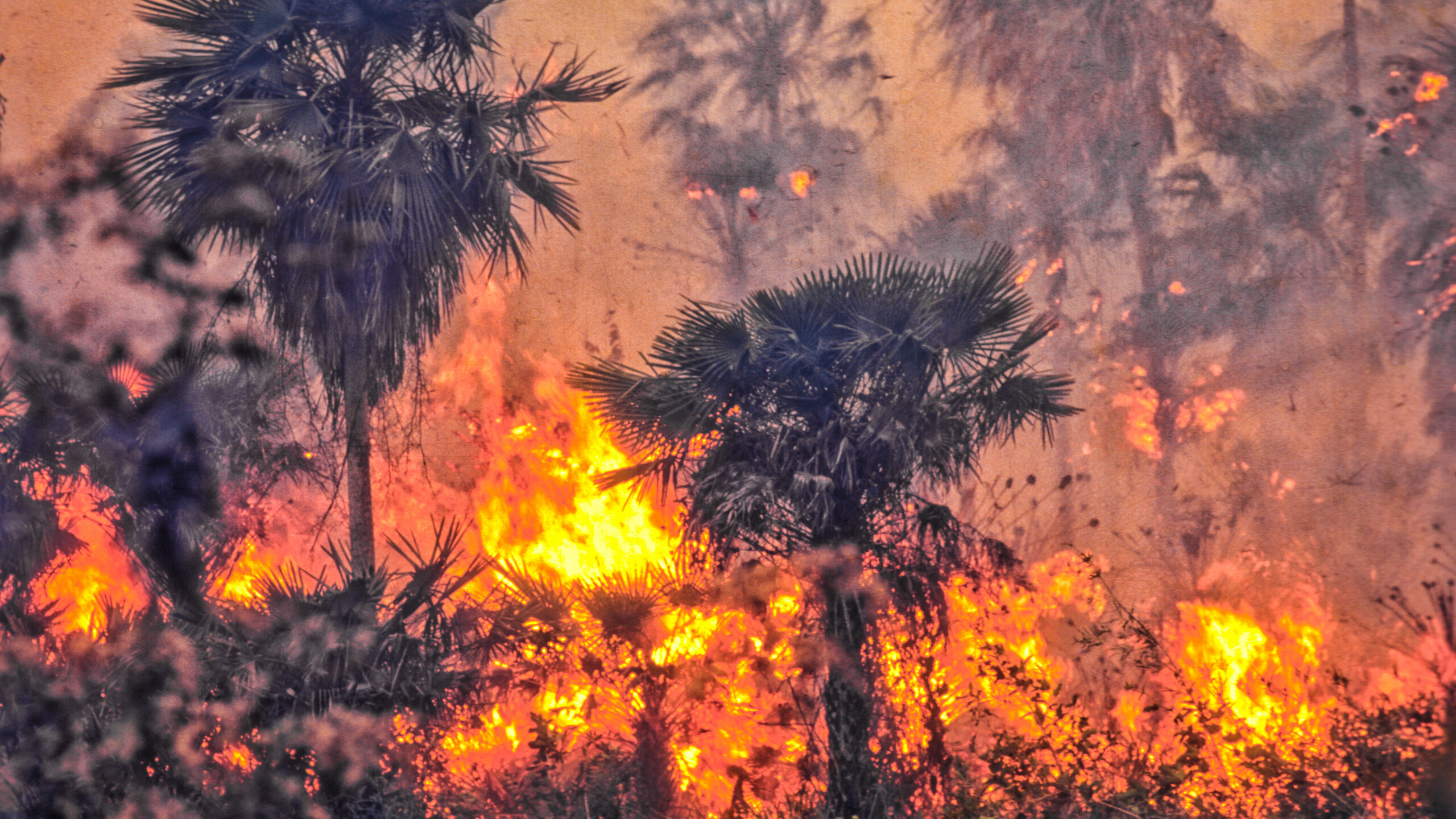
(Image: A striking photograph depicting deforestation in the Amazon rainforest. Consider a drone shot showing the scale of the damage.)
Are we witnessing a global retreat from environmental protection? Recent actions in Brazil, specifically the override of presidential vetoes concerning its environmental licensing law, raise serious concerns – not just for the Amazon rainforest, but for the future of global sustainability and the essential rights of communities who depend on it. This isn’t simply a policy debate; it’s a pivotal moment that could unravel decades of progress. But what exactly is happening,why should you care,and what does it mean for the future of our planet?
This article dives deep into the implications of Brazil’s new law,exploring its potential consequences for deforestation,biodiversity,human rights,and the global climate. we’ll unpack the concerns raised by leading experts, including the United Nations Special Rapporteur on the human right to a healthy environment, and examine how this situation reflects a worrying trend of prioritizing short-term economic gains over long-term environmental well-being.
The New Law: Rewarding Illegal Deforestation and Weakening Protections
The recently approved legislation fundamentally alters Brazil’s environmental regulations, and the changes are deeply troubling. Here’s a breakdown of the key provisions and their potential impact:
* Retroactive Amnesty for Illegal Deforestation: Perhaps the most controversial aspect of the law allows for the retroactive legalization of properties deforested without a license. This effectively rewards those who engaged in illegal logging and land clearing, removing any incentive for ecological restoration. Imagine a system where breaking the law is not only tolerated but financially beneficial - that’s the reality this law creates.
* Streamlined Approvals for Large-Scale Projects: The new rules significantly reduce environmental scrutiny for major infrastructure projects – including dams,roads,irrigation systems,and energy facilities. This means less rigorous assessment of potential environmental damage, increasing the risk of habitat fragmentation and biodiversity loss. Are we willing to sacrifice vital ecosystems for the sake of expedited development?
* Reduced Consultation with Affected Communities: The law narrows the scope of who must be consulted during environmental reviews,possibly excluding communities – notably Indigenous groups - without formal land titles. this undermines the rights of those most directly impacted by environmental changes and silences crucial voices in the decision-making process.
These changes aren’t isolated incidents; they represent a systemic weakening of environmental safeguards.
A human rights Crisis in the Making
The implications extend far beyond environmental concerns. Astrid puentes Riaño, the United Nations Special Rapporteur on the human right to a healthy environment, has unequivocally stated that the law may violate Brazil’s international environmental commitments.she argues that the core issue at stake is Brazil’s ability to effectively protect its environment and its fundamental resources.
“What is at stake is [whether] Brazil,as a country,is able to effectively protect the environment,including all their fundamental resources,” Puentes Riaño emphasized.
She points to a disturbing global trend: a rollback of environmental impact assessments, often justified as obstacles to development and investment. However, she powerfully asserts that these assessments are not mere bureaucratic hurdles.
“Environmental impact assessments are not a checklist in a supermarket,” she stated. “They are an essential element for states to prevent environmental, climate, human rights, and social impacts.”
Weakening these reviews isn’t a technical adjustment; it’s a direct assault on public health, Indigenous rights, and climate security. This isn’t about political maneuvering; it’s about survival. The damage inflicted on water sources,air quality,biodiversity,and human health can be irreversible.
The False Dichotomy: Development vs. Environmental Protection
The debate surrounding Brazil’s environmental licensing law highlights a dangerous tension in global climate policy. Governments often present a facade of climate ambition on the international stage – at events like COP30 – while together prioritizing economic nationalism and claiming a lack of resources for climate action domestically. This hypocrisy is fueling a race to the bottom, where environmental protections are sacrificed in the name of short-term economic growth.
But is this truly a necessary trade-off? The science is clear: we are facing a “triple crisis” of climate change, biodiversity loss, and toxic contamination. Cutting corners on environmental reviews in the face of this reality is not just irresponsible; it’s demonstrably counterproductive. Lasting development isn’t about choosing between economic progress and environmental protection; it’s about finding solutions that achieve both.
What can you do? Support organizations working to protect the amazon rainforest and advocate for stronger
Worth a look