
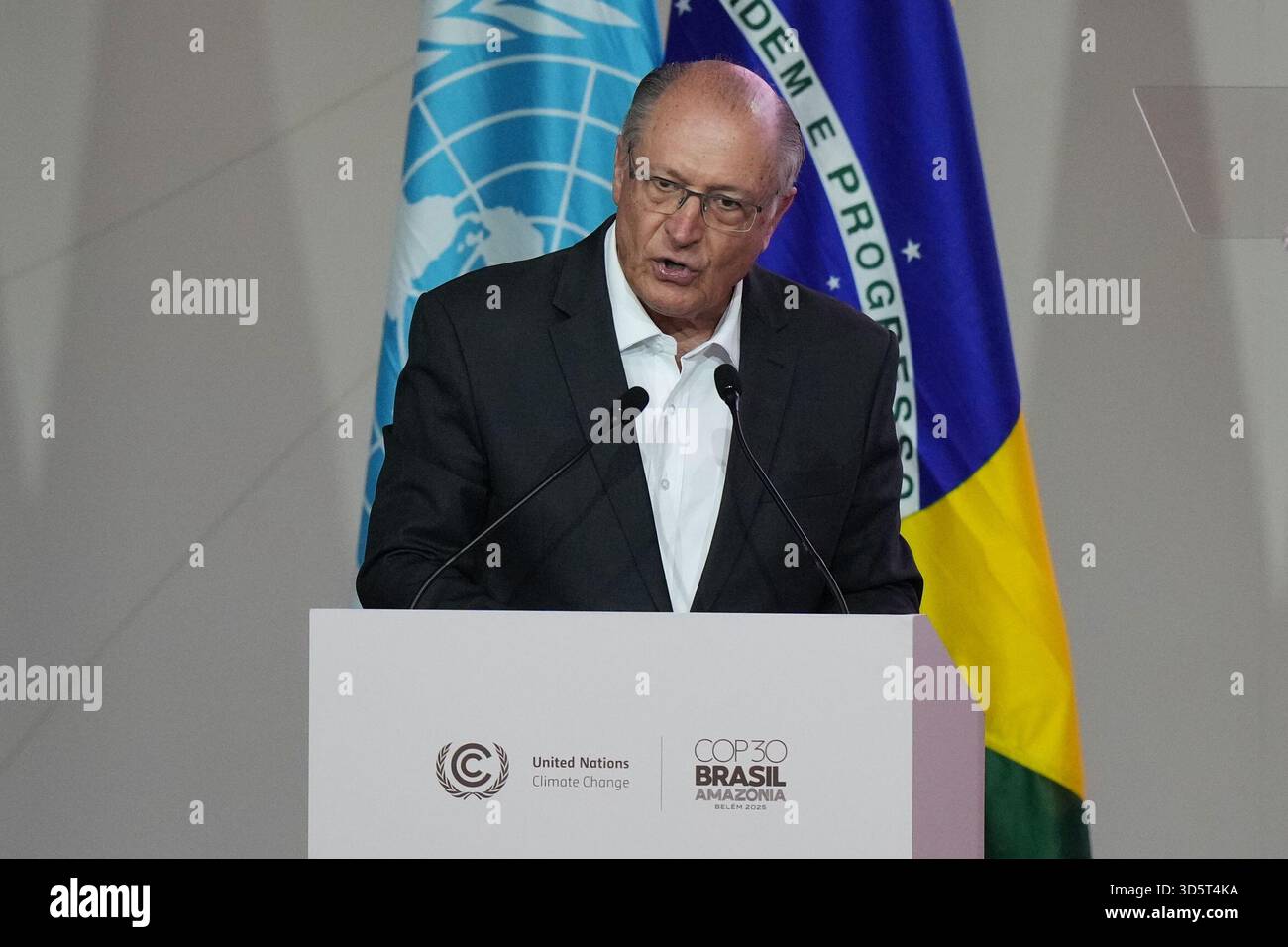
The Brazilian government is preparing to increase the mandatory ethanol blend in gasoline to 32%, a move intended to influence fuel pricing and support the domestic biofuels industry. Vice President Geraldo Alckmin confirmed the administration’s intent to adjust the current 30% mixture, with the National Energy Policy Council (CNPE) expected to formalize the decision during its upcoming session.
This policy adjustment follows a period of debate regarding the feasibility of higher anhydrous ethanol concentrations in the national fuel supply. According to the Ministry of Mines and Energy, the CNPE holds the regulatory authority to set these percentage mandates, balancing consumer price interests with the capacity of the agricultural sector to meet increased demand. The move is framed as a strategic effort to decarbonize the transport sector while potentially alleviating pressure on retail gasoline prices by reducing the volume of fossil fuel imports required for the domestic market.
Regulatory Path and Implementation Timeline
The transition to a 32% ethanol blend—often referred to in industry circles as E32—requires regulatory approval from the CNPE, the interministerial body responsible for formulating national energy policies. While the administration has signaled its support, the formalization of the mandate involves technical assessments regarding engine compatibility and supply chain logistics. The council, chaired by the Minister of Mines and Energy, is the primary venue where this policy change is being finalized, as reported by official government regulatory agendas.

Industry stakeholders, particularly those within the sugarcane and ethanol production sectors, have maintained consistent support for the increase. Proponents argue that a higher blend ratio encourages investment in production capacity and aligns with broader environmental goals. The shift from the current 30% level to 32% represents a incremental change that officials suggest is manageable for the current automotive fleet in Brazil, where flex-fuel vehicles have long been the standard for new car sales.
Economic and Environmental Rationale
The economic logic presented by the government centers on the cost-competitiveness of ethanol relative to gasoline. By increasing the mandatory blend, the government aims to stimulate demand for domestically produced biofuels, which are largely derived from sugarcane and corn. As noted by the International Energy Agency, Brazil remains a global leader in biofuel integration, utilizing these mandates to manage the volatility of imported fossil fuel prices that are tied to international crude benchmarks.
From an environmental perspective, the increase is consistent with Brazil’s commitments under the Paris Agreement. Higher ethanol content reduces the carbon intensity of the fuel consumed in internal combustion engines. This policy is part of a broader “RenovaBio” framework, which seeks to provide market incentives for low-carbon fuels and reduce the overall greenhouse gas emissions footprint of the national energy matrix.
Impact on Consumers and Automotive Logistics
For the average consumer, the shift to E32 raises questions regarding fuel efficiency and vehicle performance. Ethanol has a lower energy density than pure gasoline, meaning that higher blends can theoretically lead to slightly lower mileage per liter. However, the government’s stated intent is that the price differential between ethanol and gasoline will offset these efficiency variations, providing a net benefit at the pump.
Automotive manufacturers and fuel distributors are currently reviewing the technical specifications required to accommodate the higher blend. Historically, the Brazilian automotive industry has worked in coordination with the government to ensure that new vehicles are engineered to handle varying percentages of ethanol, a process that has been refined over decades of fuel policy evolution. The transition is expected to be implemented through standard regulatory channels, with public updates provided via the National Agency of Petroleum, Natural Gas and Biofuels (ANP), which oversees the quality and distribution standards for all fuels sold in the country.
Next Steps for Policy Finalization
The next critical checkpoint for this policy is the upcoming CNPE meeting, where the administrative resolution to move to 32% is expected to be deliberated and potentially approved. Following a formal decision by the council, the ANP will be tasked with establishing the timeline for the transition at service stations across the country. Readers interested in the specific technical requirements or the implementation schedule should monitor the official journals and the regulatory portals maintained by the Ministry of Mines and Energy for the final text of the resolution.
We invite our readers to follow these developments and share their perspectives on the impact of biofuel policies on the global energy market in the comments section below.
Keep reading