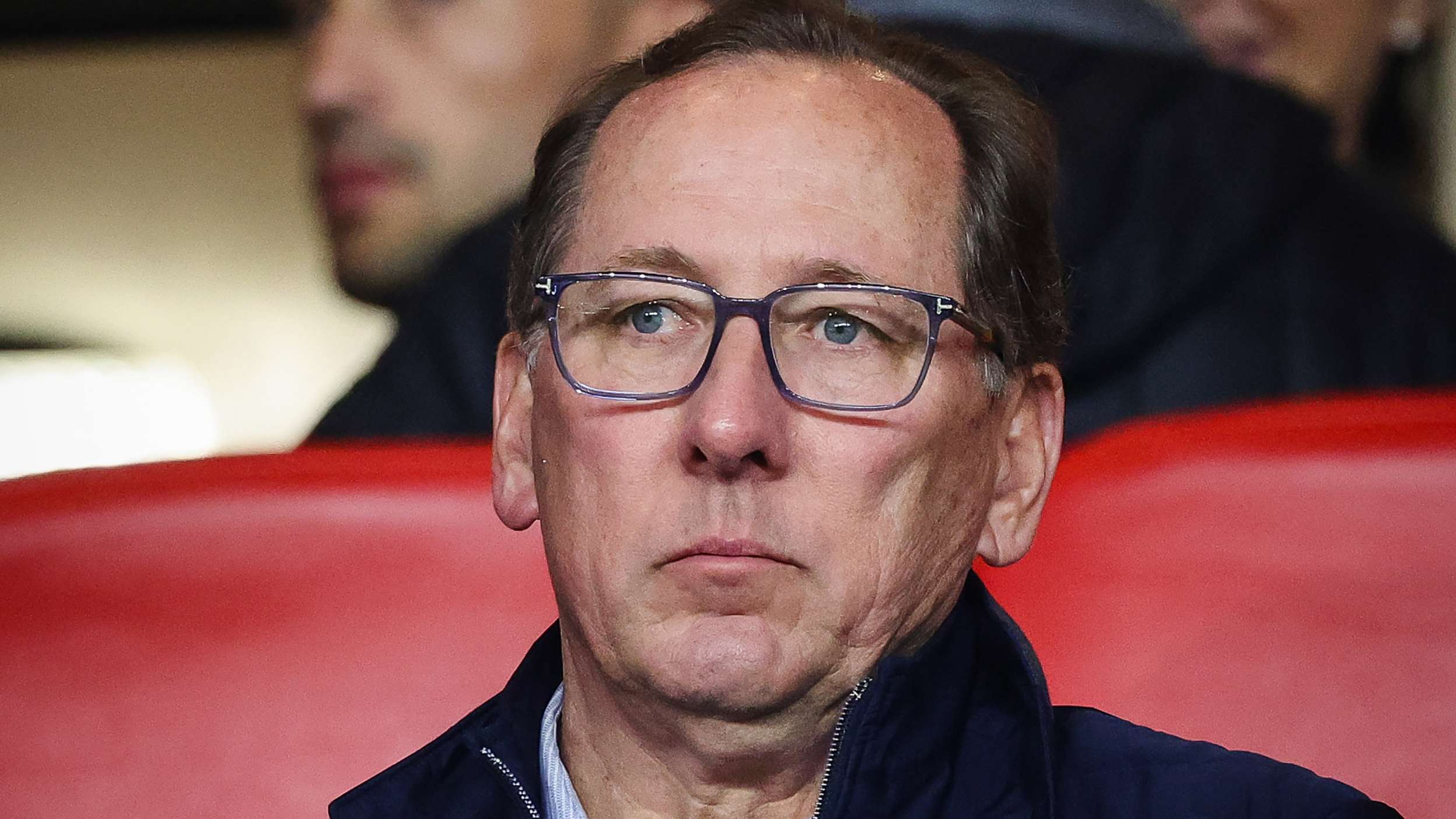
Brazilian arbitration court has temporarily removed American businessman John Textor from his position as president of Botafogo, citing financial conflicts that risk irreparable harm to the club’s stakeholders. The decision, announced on Friday, April 24, 2026, follows Textor’s earlier removal from the presidency of Olympique Lyonnais in June 2025, marking another setback in his involvement with Eagle Bidco-owned football clubs.
The ruling stems from a dispute over Botafogo’s financial restructuring, which included a request to suspend Eagle Bidco’s voting rights as the majority shareholder. According to reports from Brazilian media cited by French sports outlet L’Équipe, the arbitration panel determined that Textor’s actions “risk causing irreparable prejudice to the shareholders and all supporters of Botafogo.” The club has stated it will take all necessary steps to seek a reevaluation of the decision, with a review scheduled for April 29, 2026.
Textor, who acquired control of Botafogo in 2022 through his investment vehicle Eagle Bidco, has faced mounting pressure amid allegations of obstructing recent capital inflow into the club. Botafogo had initiated judicial reorganization proceedings earlier in the week to address its financial challenges, a move that directly challenged Eagle Bidco’s influence over club governance.
The arbitration court’s decision does not permanently remove Textor but suspends his managerial authority pending further review. Botafogo’s official statement emphasized its commitment to resolving the governance dispute through proper legal channels while ensuring the club’s operational stability during the interim period.
Background on John Textor’s Involvement with Botafogo and Olympique Lyonnais
John Textor, an American entrepreneur known for his investments in sports and technology, gained control of Botafogo in 2022 as part of Eagle Bidco’s broader strategy to acquire football clubs across Europe and South America. His tenure coincided with a period of sporting ambition for the Rio de Janeiro-based club, which competes in Brazil’s Série A.
Prior to his role at Botafogo, Textor served as president of Olympique Lyonnais (OL) in France, a position he held until June 2025 when he was replaced by Michele Kang following growing tensions with OL’s board and fans over financial management and sporting performance. His departure from Lyon was similarly linked to disagreements over investment strategies and club direction.
Eagle Bidco, the entity through which Textor holds his stakes in both clubs, has approach under scrutiny in multiple jurisdictions for its leveraged acquisition model and alleged difficulties in meeting financial obligations post-acquisition. Regulatory filings and creditor negotiations in both France and Brazil have highlighted concerns about transparency and repayment timelines tied to Eagle Bidco’s debt structure.
Financial Pressures and Judicial Restructuring at Botafogo
Botafogo’s initiation of judicial reorganization proceedings reflects a growing trend among football clubs facing liquidity pressures in volatile economic climates. Such proceedings, governed by Brazilian bankruptcy law, allow distressed entities to renegotiate debts while maintaining operations under court supervision.
The club’s specific request to limit Eagle Bidco’s voting rights suggests an effort to decouple decision-making from shareholders perceived as impediments to refinancing. Similar mechanisms have been used in other jurisdictions to facilitate creditor-led restructurings when majority owners are seen as blocking essential reforms.
While the exact financial figures underpinning Botafogo’s distress remain undisclosed in publicly available sources, the club’s public filings indicate ongoing efforts to secure new investment to address operational shortfalls and comply with league licensing requirements. No official valuation or debt total has been released by Botafogo or Eagle Bidco as of April 2026.
Implications for Club Governance and Fan Relations
The arbitration ruling underscores the increasing scrutiny faced by foreign-owned football clubs in Brazil, where concerns about asset stripping, inadequate reinvestment and misalignment with local sporting culture have grown in recent years. Botafogo’s fanbase, known for its passionate support and historical significance in Brazilian football, has expressed skepticism toward Textor’s leadership through protests and social media campaigns.
Sports governance experts note that temporary removals of club officials via arbitration are uncommon but not unprecedented, particularly when interim measures are deemed necessary to prevent alleged harm during ongoing disputes. The April 29 review date provides a short-term window for both parties to present additional evidence before a final determination is made on Textor’s eligibility to resume duties.
Botafogo has affirmed its intention to pursue all available legal avenues to contest the suspension, signaling that the conflict between club management and its majority shareholder is unlikely to be resolved quickly. The outcome could influence how future disputes between international investors and Brazilian clubs are mediated under sports and commercial law frameworks.
For supporters and stakeholders seeking updates, Botafogo’s official website and social media channels remain the primary sources for verified information regarding match schedules, team announcements, and institutional statements. The club has not yet announced changes to its matchday operations or training routines as a result of the leadership suspension.
As the April 29 review approaches, attention will focus on whether the arbitration panel upholds, modifies, or reverses its initial decision based on new submissions from both Textor’s representatives and Botafogo’s governing bodies. Any extension of the suspension beyond April would likely trigger further legal appeals and deepen uncertainties about the club’s short-term governance stability.
Readers are encouraged to share their perspectives on the evolving situation at Botafogo and engage in discussions about the role of foreign investment in global football. Comments and insights can be submitted through the article’s comment section below, helping foster a well-informed dialogue on one of the sport’s most pressing off-field challenges.
Keep reading