
A Brazilian couple has been sentenced to 50 days in jail following a protracted legal dispute over their decision to educate their children at home. The ruling, which centers on the tension between parental rights and the state’s mandate for compulsory schooling, has sparked renewed debate across Brazil regarding the legal status of homeschooling, an activity that remains technically unregulated at the federal level.
According to court documents, the parents were found guilty of failing to provide a state-approved education for their daughters. The judiciary cited concerns over “intellectual neglect,” arguing that the parents had not fulfilled their constitutional duty to ensure their children were exposed to a curriculum that includes social interaction and exposure to diverse viewpoints. This case highlights a significant legal friction point: while the Brazilian Constitution mandates that education is a right of all and a duty of the state and family, the lack of a specific federal law governing home education has left families vulnerable to individual judicial interpretations of what constitutes an “adequate” upbringing.
The Legal Context of Homeschooling in Brazil
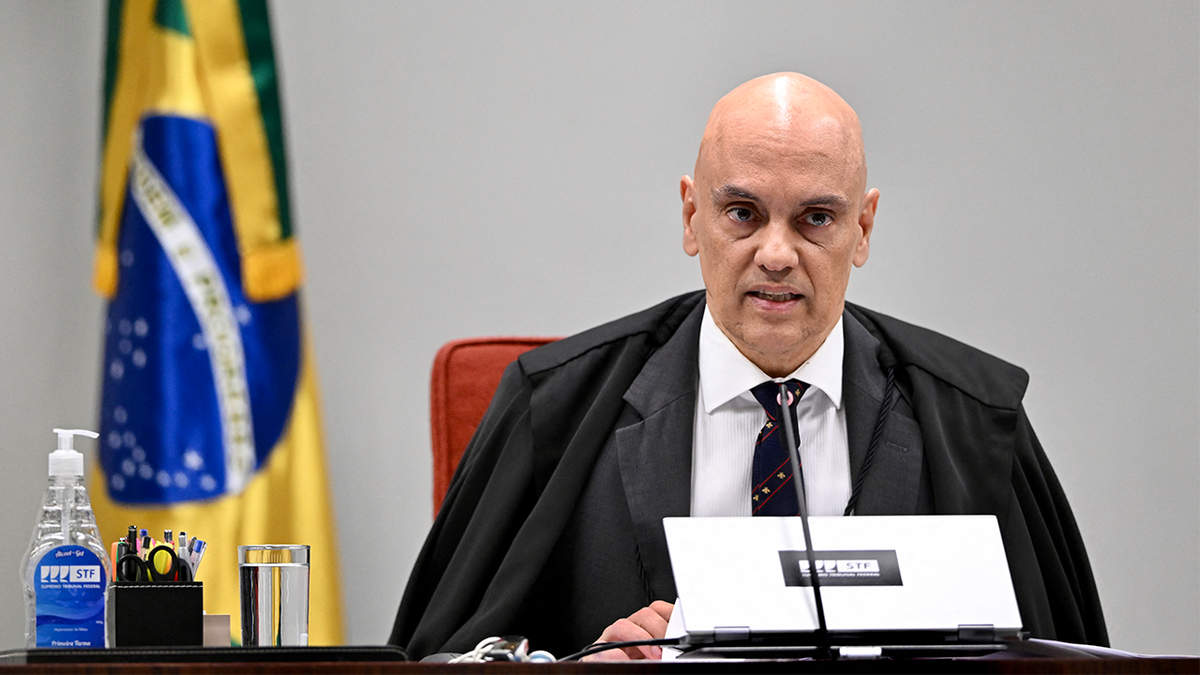
In Brazil, the legal standing of homeschooling remains a subject of intense scrutiny. The Supreme Federal Court (STF) ruled in 2018 that while the Constitution does not explicitly prohibit homeschooling, the practice cannot be implemented without specific legislation enacted by Congress to regulate it. Because such legislation has not yet been finalized at the federal level, local courts often rely on the Child and Adolescent Statute (ECA) to intervene in cases where they determine a child’s development may be compromised.

Legal analysts note that the term “intellectual neglect” is frequently utilized in cases where authorities conclude that a child’s social and academic isolation prevents them from meeting the benchmarks established by the Ministry of Education. According to the Brazilian Ministry of Education, public and private schools are required to follow the National Common Curricular Base (BNCC), which is designed to ensure a uniform standard of learning across the country. Parents who choose to teach their children at home often argue that they are providing a superior, personalized education; however, the courts have consistently maintained that the state’s interest in social integration and secular, standardized learning takes precedence in the absence of a formal regulatory framework.
Judicial Rulings and Parental Rights
The sentencing of these parents reflects a broader trend of local courts acting as arbiters in the absence of national policy. In previous instances, judges have ordered parents to enroll their children in traditional schools under threat of fines or, as seen in this case, custodial sentences. The argument of “tolerance and diversity” cited in the ruling underscores the judiciary’s focus on the socialization aspect of the school environment, which the state views as essential for preparing minors to function in a pluralistic society.
Critics of these rulings, including various homeschooling advocacy groups, contend that the state is overstepping its authority by criminalizing parents who are actively engaged in their children’s intellectual development. They argue that the lack of clear federal law creates a “legal limbo” where families are subject to the personal values of individual judges rather than a consistent national standard. For families currently practicing or considering homeschooling, the primary concern remains the lack of a clear path to compliance that avoids the risk of criminal charges or custody disputes.
What Happens Next
The parents involved in this case have the right to appeal the decision to higher courts, a process that could potentially reach the Superior Court of Justice (STJ). Such an appeal would likely focus on whether the 50-day prison sentence is proportional to the alleged failure to provide formal schooling, and whether the parents’ actions truly constitute the criminal definition of neglect under existing statutes.
As of this report, there is no immediate indication that the Brazilian Congress is close to passing a comprehensive homeschooling bill that would resolve these tensions. For many, the case serves as a stark reminder of the risks associated with non-traditional schooling in a country where the state maintains a strong, centralized role in education. Observers suggest that until a definitive federal law is signed, parents who opt out of the public or private school system remain in a precarious legal position, susceptible to intervention from child protection services and the judiciary.
We will continue to monitor the appellate filings and any subsequent statements from the legal teams involved. We encourage our readers to share their perspectives on the balance between parental autonomy and state oversight in the comments section below.