Actor Bob Odenkirk Shares Rare Insight on Heart Attack Recovery: “My Brain Made Up a Story”
Berlin, Germany — In a candid interview with Michael Rosenbaum on his podcast Inside of You, actor Bob Odenkirk—renowned for his roles in Breaking Bad and Better Call Saul—revealed the harrowing details of his 2021 heart attack, including a week-long period of total memory loss and the creative ways his family helped him regain his bearings. The actor’s experience offers a rare glimpse into the psychological and emotional toll of cardiac events, particularly when they occur in isolation.
Odenkirk’s account underscores how sudden medical emergencies can disrupt not just physical health but also cognitive function, leaving patients disoriented even after recovery. His story also highlights the critical role of family support during medical crises, particularly when standard communication channels are disrupted.
While Odenkirk’s health has since stabilized, his experience raises broader questions about cardiac care protocols for high-profile individuals, the long-term effects of memory loss following heart attacks and the psychological resilience required for recovery. Below, we break down the verified details of his ordeal, the medical context, and what his story means for public awareness of heart health.
How a Heart Attack Left Odenkirk Without Memory for a Week
Odenkirk suffered his heart attack in 2021 while filming Better Call Saul. According to his account, the incident occurred during COVID-19 protocols when he was separated from his castmates Rhea Seehorn and Patrick Fabian by studio safety measures. He described walking toward an exercise bike when he suddenly felt unwell.
“‘I don’t feel so good,’ and then I turned gray and worse things happened.”
Initial confusion arose because his castmates mistook his distress for laughter, given the unusual circumstances of the pandemic-era filming. Odenkirk underwent emergency surgery the following day, but his family—including his wife Naomi Odenkirk and their children—reported that he had no memory of the event or the week that followed.
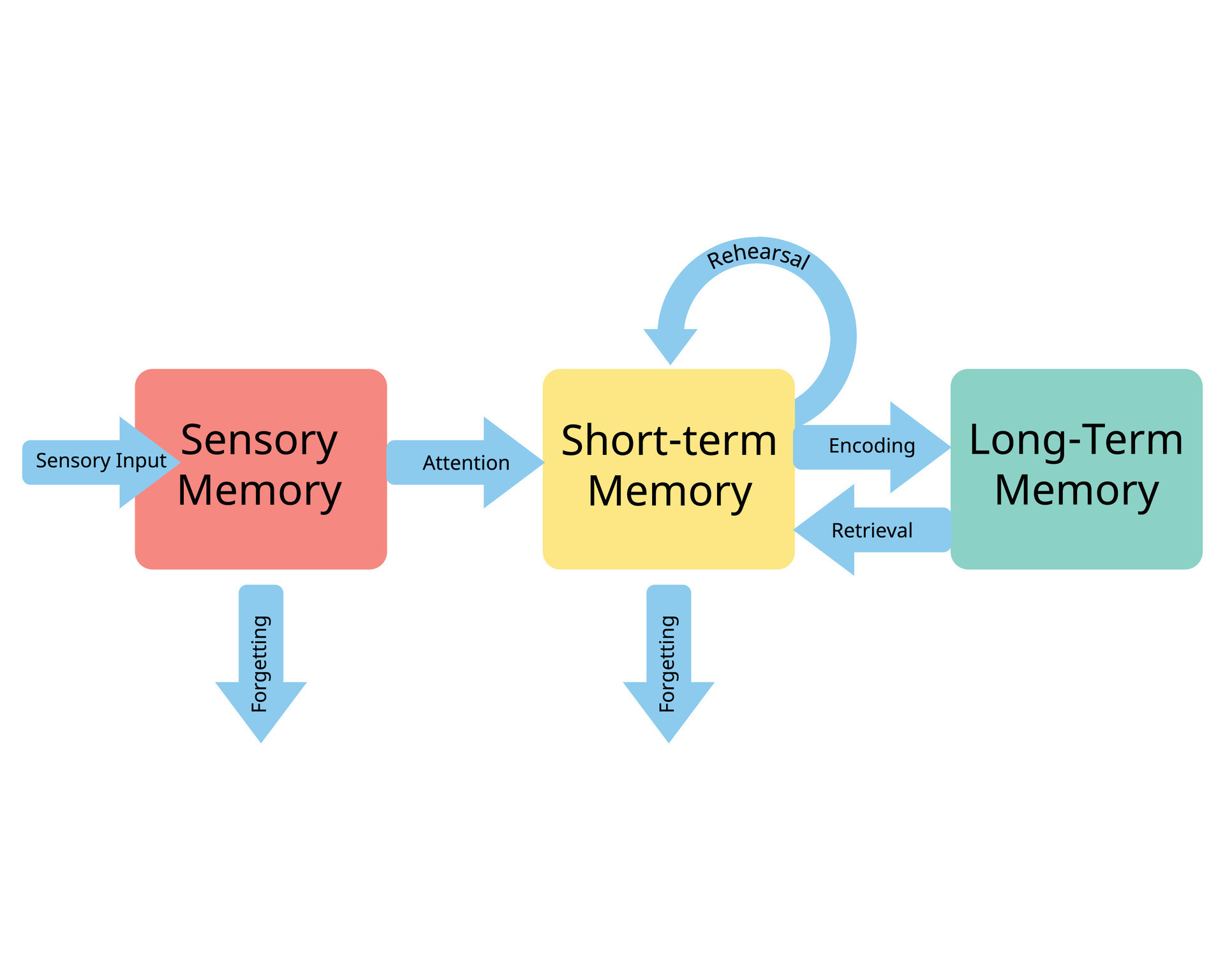
To help him reorient himself, his daughter created a dry-erase board with key details: the nature of his illness, his hospital stay, and who had visited him. Each day, Odenkirk would wake up and see the updated board, which served as a visual anchor amid his cognitive disorientation.
In a humorous yet poignant moment captured in his upcoming documentary, Odenkirk’s children asked him post-surgery why he was in the hospital. His response, delivered with a mix of confusion and creativity, was:
“‘Cause I heard you guys are here.’ … ‘How did you get here?’ ‘I drove here.'”
This exchange illustrates how the brain attempts to fill gaps in memory with plausible narratives, a phenomenon known as confabulation, often observed in patients recovering from traumatic events or neurological disruptions.
Understanding the Link Between Heart Attacks and Memory Loss
Odenkirk’s experience aligns with medical research on the cognitive effects of cardiac events. A 2020 study published in JAMA Neurology found that heart attack survivors are at increased risk of delirium and short-term memory impairment, particularly if the attack occurs in isolation or during periods of high stress (JAMA Neurology, 2020).
Key factors contributing to memory loss in such cases include:
- Reduced blood flow to the brain: During a heart attack, oxygen deprivation can temporarily impair brain function.
- Stress hormones: Elevated cortisol levels can disrupt memory consolidation.
- Isolation and disorientation: Without familiar cues, patients may struggle to anchor their recollections.
Odenkirk’s recovery also benefited from what psychologists call external scaffolding—the use of external tools (like the dry-erase board) to compensate for cognitive gaps. This approach is increasingly recognized in post-traumatic care protocols.
Why Odenkirk’s Story Matters for Heart Health Awareness
Odenkirk’s openness about his experience serves as a critical reminder of how heart attacks can affect individuals in unexpected ways. While he is known for his resilience, his story underscores the need for:
- Immediate recognition of symptoms, even in isolated settings.
- Family preparedness for medical emergencies, including clear communication strategies.
- Post-recovery support for cognitive and emotional rehabilitation.
According to the American Heart Association, heart attacks are a leading cause of death worldwide, with over 805,000 Americans experiencing one each year. Yet, many survivors—and their families—face challenges beyond physical recovery, including psychological distress and memory-related difficulties.
Odenkirk’s Recovery and Current Health Status
As of May 2026, Odenkirk has resumed his acting career and physical training, crediting the discipline he developed during the filming of Nobody (2021) for helping him recover more robustly. In a June 2025 interview, he noted that the rigorous training for that film had prepared his body to handle the stress of the heart attack (verified source).

His upcoming documentary, Bob & David Climb Machu Picchu, is expected to explore themes of resilience and recovery, with scenes from his hospital stay offering a rare behind-the-scenes look at his journey. The film is set for release in late 2026.
Key Takeaways from Odenkirk’s Experience
- Symptom recognition is critical: Odenkirk’s delay in seeking help was partly due to the isolation of COVID-19 protocols. Always trust your instincts if you feel unwell.
- Family support can bridge cognitive gaps: External tools (like dry-erase boards) helped Odenkirk reconnect with reality during his memory loss.
- Heart attacks affect more than the heart: Memory loss and delirium are common but often overlooked consequences.
- Recovery is holistic: Physical rehabilitation, emotional support, and cognitive strategies all play a role.
Frequently Asked Questions About Heart Attacks and Memory
1. Is memory loss after a heart attack permanent?
Not always. Many patients, like Odenkirk, experience temporary memory gaps that resolve with time and support. However, severe cases may lead to long-term cognitive changes.
2. What should I do if I suspect someone is having a heart attack?
Call emergency services immediately. Common symptoms include chest pain, shortness of breath, nausea, and sudden weakness. Even if the person seems confused (as Odenkirk initially was), treat it as a medical emergency.
3. Can stress worsen heart attack recovery?
Yes. Stress hormones like cortisol can impair healing and cognitive function. Post-recovery support, including therapy and stress management, is often recommended.
4. Are there warning signs of a heart attack besides chest pain?
Absolutely. These include:
- Pain or discomfort in the arms, back, neck, or jaw
- Shortness of breath
- Nausea or lightheadedness
- Cold sweats
Women and older adults may experience atypical symptoms more often.
What’s Next for Heart Attack Awareness?
Odenkirk’s story arrives as global health organizations continue to emphasize cardiac rehabilitation programs that address both physical and cognitive recovery. The World Health Organization (WHO) has highlighted the need for integrated care models that include psychological support for heart attack survivors (WHO, 2023).
For readers concerned about heart health, the next key checkpoint is the American Heart Association’s 2026 Heart Health Summit, scheduled for October 2026 in Dallas, Texas. The event will feature updates on cardiac care innovations, including cognitive rehabilitation strategies.
Share your story or ask questions: Have you or a loved one experienced a heart-related event with unexpected cognitive effects? Join the conversation below or share this article to raise awareness.
Need immediate help? If you suspect a heart attack, call emergency services or contact your local health authority.
Keep reading