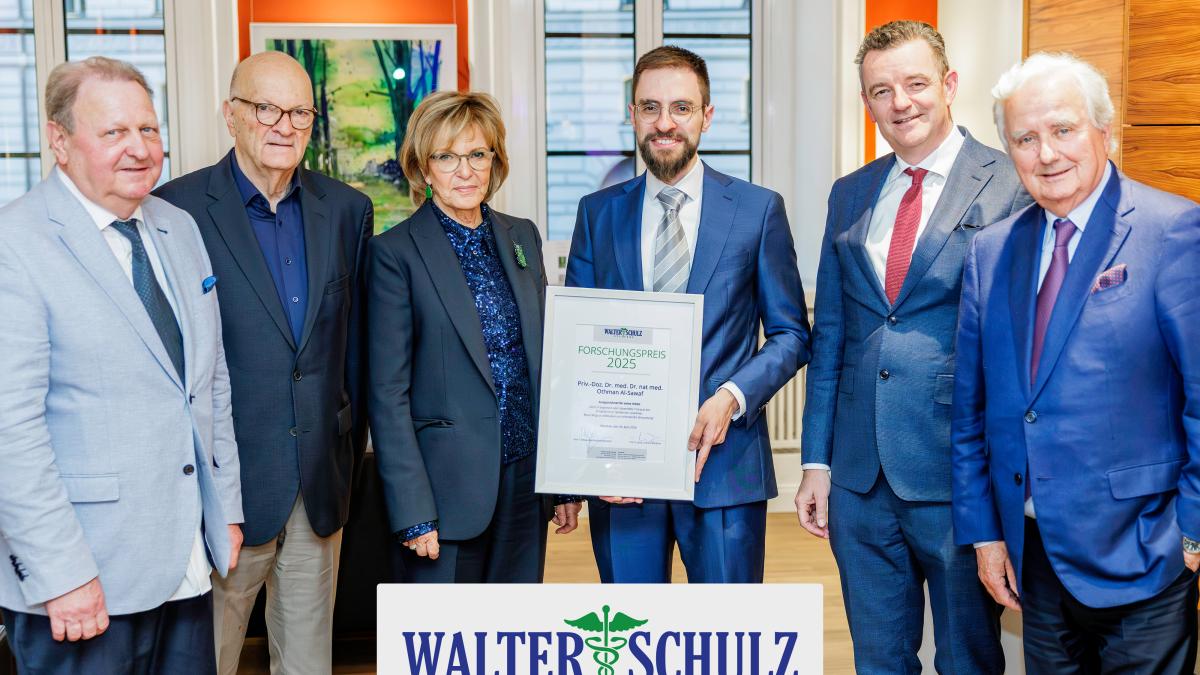
Breakthrough in Immunotherapy: Walter Schulz Foundation Honors Research into CAR-T Cell Complications
In a significant recognition of medical innovation, the Walter Schulz Foundation in Bad Wörishofen has awarded its 2024 Research Prize to a scientist uncovering critical nuances in the field of cancer immunotherapy. The award highlights a pivotal discovery regarding the long-term complications associated with one of the most advanced treatments in modern oncology: CAR-T cell therapy.
The recipient, Dr. Med. Till Braun, an assistant physician and researcher at the University Hospital Cologne (Uniklinik Köln) within the Department I for Internal Medicine, was honored for his molecular investigation into a rare but serious phenomenon. His research focuses on the emergence of T-cell lymphomas following the administration of CAR-T cell therapies, providing much-needed clarity on how these treatments can, in certain instances, lead to new forms of malignancy.
The Frontier of Cancer Treatment: Understanding CAR-T Cell Therapy
To understand the weight of Dr. Braun’s findings, one must first grasp the revolutionary nature of Chimeric Antigen Receptor (CAR) T-cell therapy. Unlike traditional chemotherapy, which uses chemical agents to kill rapidly dividing cells, CAR-T therapy is a form of immunotherapy that leverages the body’s own immune system to fight cancer.
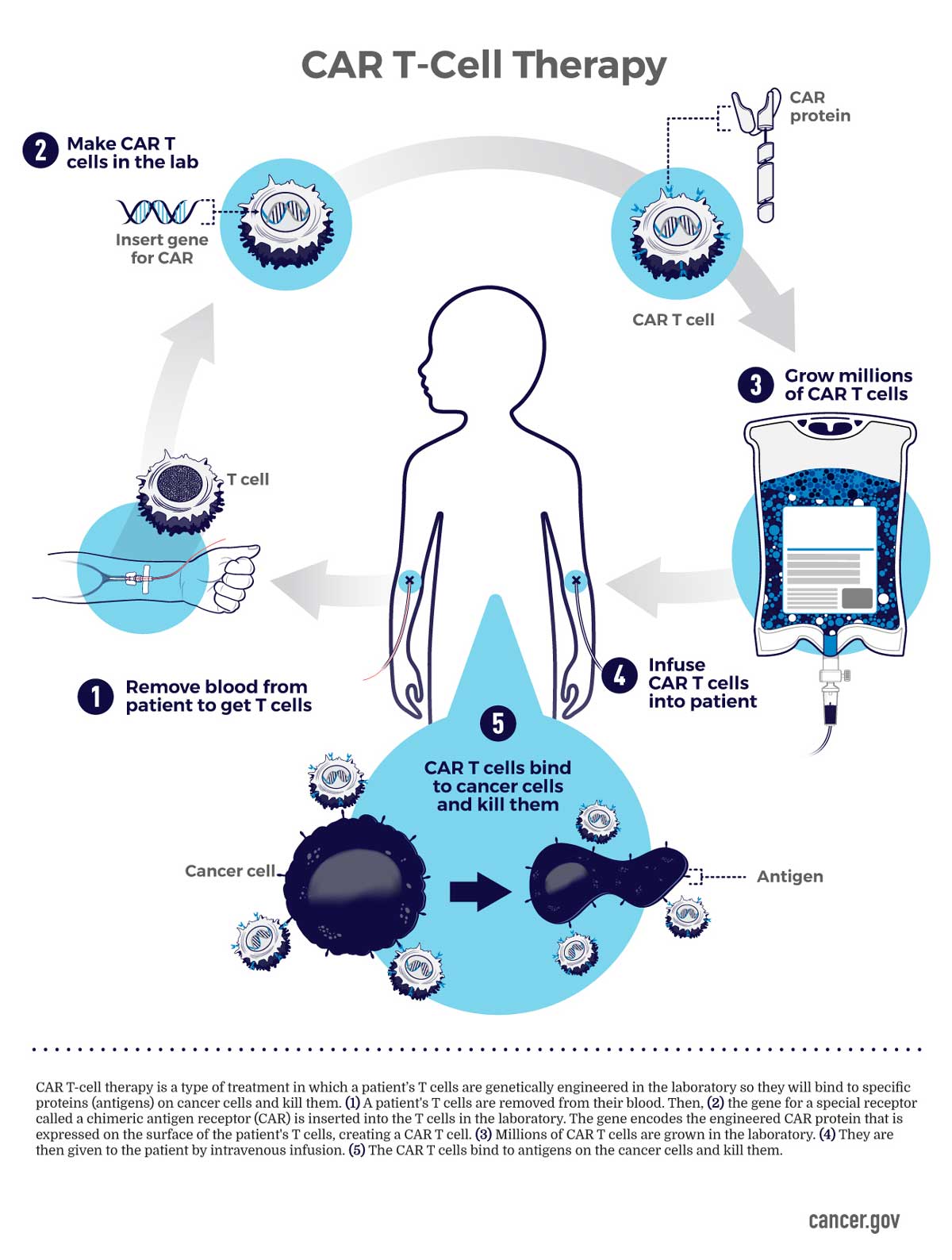
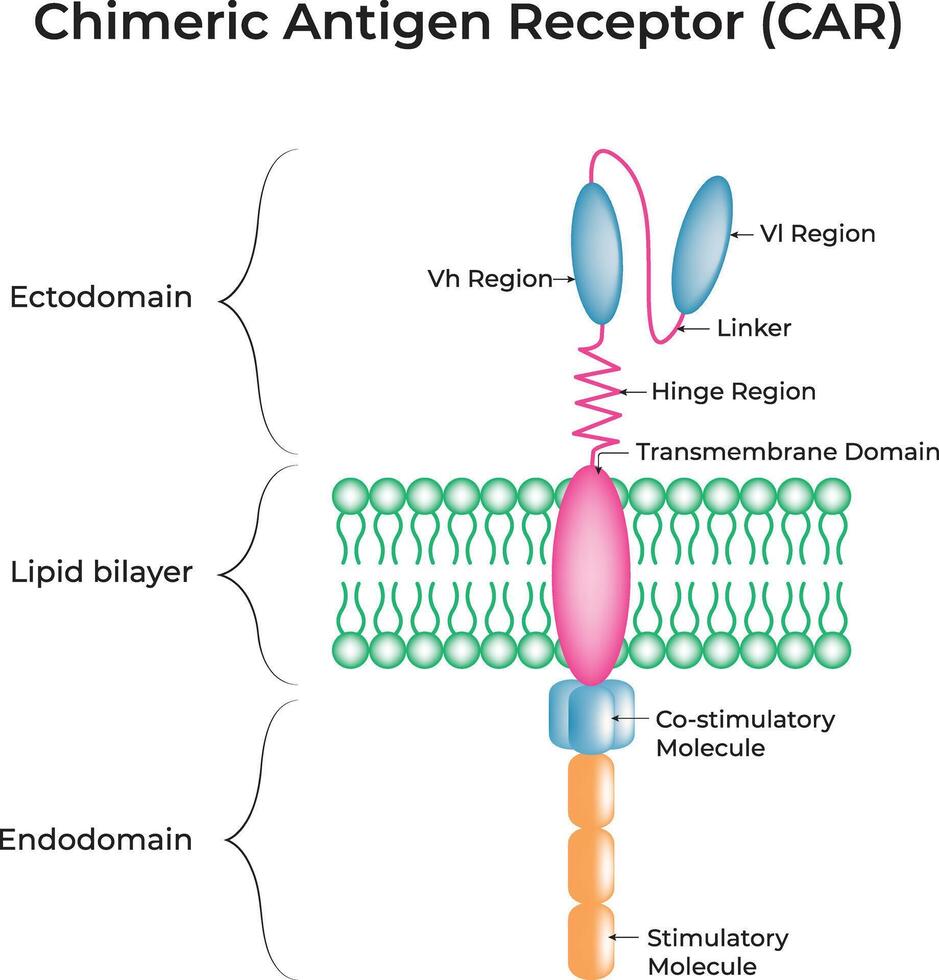
In this process, a patient’s own T-cells—the “soldiers” of the immune system—are extracted and genetically engineered in a laboratory. These cells are modified to express a Chimeric Antigen Receptor (CAR) on their surface. This receptor acts as a highly specific biological “sensor,” allowing the T-cells to recognize and latch onto specific proteins (antigens) found on the surface of cancer cells. Once re-infused into the patient, these “supercharged” cells are designed to seek out and destroy the tumor with precision.
While CAR-T therapy has shown unprecedented success in treating certain blood cancers, the complexity of re-engineering living cells introduces unique biological risks. Dr. Braun’s work addresses one of the most sophisticated challenges in this domain: the potential for the therapy itself to trigger a secondary, unintended cellular proliferation.
A New Clinical Challenge: The Emergence of T-Cell Lymphomas
Dr. Braun’s research details a specific and complex clinical complication. In his study of a patient, he observed the development of a new type of malignancy following CAR-T cell treatment: an uncontrolled multiplication of degenerate T-cells. Most notably, these malignant cells continued to carry the extremely feature designed to fight cancer—the Chimeric Antigen Receptor (CAR).
This discovery is significant because it identifies a specific pathway where the engineered cells, rather than simply performing their duty and expiring, undergo a transformation that leads to T-cell lymphoma. This “new disease” represents a critical intersection between successful immunotherapy and the unintended consequences of genetic modification in living biological systems.
The molecular investigation conducted by the University Hospital Cologne team provides a roadmap for understanding how these cells transition from therapeutic agents to malignant actors. This understanding is essential for clinicians who must balance the life-saving potential of immunotherapy against the risk of secondary hematological malignancies.
The Genetic Connection: Predicting Risks Before Treatment
Perhaps the most profound implication of Dr. Braun’s research lies in the identification of genetic precursors. His work revealed that the patient in question possessed a genetic predisposition that was detectable in their genome even before the commencement of the CAR-T cell therapy.
This finding shifts the conversation from reactive management to proactive prevention. If specific genetic markers can be identified as indicators for an increased risk of T-cell lymphoma following immunotherapy, medical professionals may be able to implement more rigorous screening protocols. Such a shift would allow for:
- Enhanced Patient Selection: Identifying which patients are most likely to benefit from CAR-T therapy versus those who may face a higher risk of complications.
- Tailored Monitoring: Developing specialized surveillance protocols for patients with identified genetic predispositions.
- Personalized Immunotherapy: Refining the engineering process to mitigate risks in genetically vulnerable populations.
The ability to detect these predispositions before therapy begins represents a major step toward the goal of truly personalized oncology.
Recognition of Excellence in Medical Research
The award ceremony, held by the Walter Schulz Foundation, served as a platform to celebrate these scientific advancements. The laudatory speech for Dr. Braun was delivered by the actress and foundation ambassador, Ulrike Kriener, highlighting the intersection of scientific rigor and the human impact of medical breakthroughs.
The event was attended by several key figures in the foundation and the medical community, including:
- Prof. Dr. Med. Heinz Höfler, Member of the Board
- Prof. Dr. Med. Clemens Wendtner, Chairman of the Scientific Advisory Board
- Prof. Dr. Med. Wolfgang Eiermann, Member of the Board
- Otto F. Schwarz, Chairman of the Board
The foundation’s commitment to funding such high-level research underscores the growing importance of molecular biology in solving the most pressing challenges in public health and cancer care.
Key Takeaways from the 2024 Research Prize
- Focus Area: The research addresses complications in CAR-T cell immunotherapy, specifically the development of T-cell lymphomas.
- Core Discovery: Malignant T-cells can emerge that still carry the engineered Chimeric Antigen Receptor (CAR).
- Preventative Potential: Genetic predispositions to these complications can be identified prior to treatment.
- Clinical Impact: Findings support the need for advanced genetic screening and personalized monitoring in immunotherapy patients.
As the medical community continues to refine the use of engineered immune cells, the work of Dr. Braun and the University Hospital Cologne will remain a cornerstone in the effort to make cancer immunotherapy both more effective and more predictable.
Next Steps in Research: Clinical researchers are expected to continue investigating the molecular triggers of T-cell proliferation and the long-term efficacy of genetic screening in immunotherapy protocols.
What are your thoughts on the balance between cutting-edge immunotherapy and the risks of genetic modification? Share your views in the comments below and share this article with your professional network.
Keep reading
- COVID-19 Drug Shows Promise for Kidney Transplant Patients
- Guía completa sobre fertilización incorporada al suelo: Técnicas y beneficios
- University of Iowa International Writing Program Secures Funding After Losing Federal Support (news-usa.today)
- Extremadura Health Service Expands Early Breast Cancer Screening Program (world-today-news.com)