
The world is on high alert after the World Health Organization (WHO) declared a Public Health Emergency of International Concern (PHEIC) on Monday, May 18, 2026, citing the rapid spread of Ebola virus disease across multiple African nations. The decision marks the first global health emergency declaration for Ebola since the 2014–2016 West African outbreak, which killed over 11,000 people. While health officials emphasize that the current situation does not yet pose the same level of threat as previous epidemics, the declaration signals growing concerns over transmission risks, healthcare system strain and cross-border movement in a region already grappling with conflict, displacement, and weak infrastructure.
According to the WHO’s latest situation report, confirmed cases have been reported in Democratic Republic of the Congo (DRC), Uganda, South Sudan, and Rwanda, with suspected cases under investigation in neighboring countries. The virus’s resurgence has been linked to delayed responses, community resistance to containment measures, and movement along porous borders. Experts warn that the Sudan ebolavirus strain, responsible for this outbreak, has a higher fatality rate than previous variants, though vaccination campaigns and improved medical protocols offer critical tools for containment.
This development comes just months after the WHO’s February 2026 declaration over a separate respiratory virus outbreak in Asia, highlighting how global health security remains fragile. The dual emergencies have prompted calls for increased international funding, coordinated vaccine distribution, and strengthened surveillance systems in high-risk regions. Meanwhile, African leaders and humanitarian organizations are urging the global community to avoid stigmatization of affected populations and ensure equitable access to medical countermeasures.
Why the WHO Declared an International Emergency: Key Factors
The WHO’s decision to elevate Ebola to a PHEIC was based on a convergence of alarming trends, including:
- Geographic expansion: The virus has crossed national borders for the first time since 2014, with confirmed cases in four countries and suspected cases in at least two more. The WHO’s technical guidance notes that transmission along trade routes and refugee movements poses significant risks.
- Strain virulence: Genetic sequencing confirms the outbreak is caused by the Sudan ebolavirus strain, which has historically been associated with fatality rates exceeding 50% in untreated patients. While experimental vaccines (e.g., Ervebo) are available, stockpiles remain limited in affected regions.
- Healthcare collapse: In South Sudan’s Equatoria region, where cases have surged, only 3 of 10 Ebola treatment centers are operational due to funding shortages and staff shortages. The WHO reports that over 1,200 healthcare workers have been infected or killed in past outbreaks, creating a “second-line effect” that exacerbates system failures.
- Community distrust: In DRC’s North Kivu province, armed groups have attacked Ebola response teams, forcing temporary suspensions of vaccination campaigns. The WHO cites misinformation and cultural barriers as major obstacles to containment.
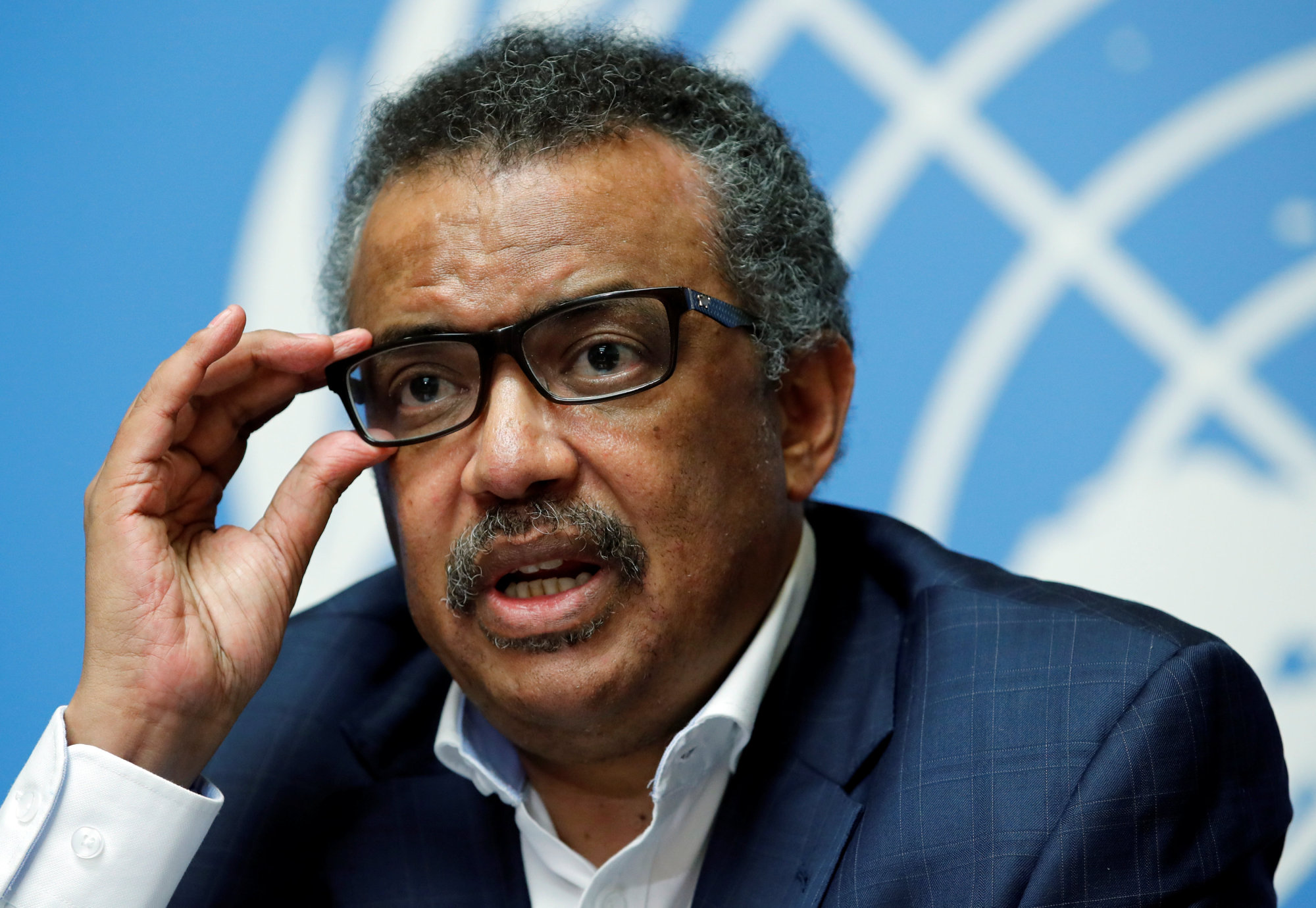
Dr. Tedros Adhanom Ghebreyesus, WHO Director-General, stated in a press briefing that “the window to contain this outbreak is narrowing, but it is not yet closed.” His remarks echoed earlier warnings from the WHO African Regional Office, which described the situation as a “perfect storm” of conflict, displacement, and weak health systems.
How the Outbreak Unfolded: A Timeline of Critical Events
| Date | Event | Source |
|---|---|---|
| March 12, 2026 | First confirmed case in DRC’s Ituri province; patient dies before treatment begins. | WHO DRC update |
| April 5, 2026 | Cross-border transmission confirmed in Uganda (Mbarara district); WHO activates emergency response team. | Uganda Ministry of Health |
| May 3, 2026 | South Sudan reports first case in Yambio County; WHO warns of “imminent regional spread”. | ReliefWeb |
| May 15, 2026 | Rwanda detects first case in Rubavu district; government imposes 30-day travel restrictions on high-risk zones. | Rwandan Ministry of Health |
| May 18, 2026 | WHO declares Public Health Emergency of International Concern (PHEIC); urges global mobilization. | WHO Press Release |
Who Is Affected—and How?
The immediate impact of the outbreak is concentrated in four high-risk countries, each facing distinct challenges:
1. Democratic Republic of the Congo (DRC)
DRC, which has experienced 12 Ebola outbreaks since 1976, is battling the virus amid ongoing conflict in North Kivu and Ituri provinces. The WHO reports that armed groups have blocked access to 15% of affected areas, hindering vaccination efforts. In Beni town, where cases surged in April, healthcare workers are being paid in rice and fuel due to budget shortages, according to Médecins Sans Frontières (MSF).

2. Uganda
Uganda’s outbreak is notable for its rapid urban spread, with cases confirmed in Kampala’s slums. The country’s limited ICU capacity (only 120 beds nationwide) is being overwhelmed, forcing officials to repurpose schools and military barracks as treatment centers. The Ugandan Red Cross reports that over 50,000 people have been quarantined in affected districts, straining food supplies.
3. South Sudan
South Sudan’s outbreak is compounded by flooding and displacement from the Sudan conflict. The UN estimates that 1.2 million refugees from Sudan are living in overcrowded camps along the border, creating ideal conditions for virus transmission. The WHO warns that only 20% of health facilities in Equatoria state have functioning water treatment systems.
4. Rwanda
Rwanda’s swift response—including mandatory temperature checks at border crossings and a national vaccination campaign targeting 2 million people—has slowed spread, but experts caution that community transmission in rural areas remains undetected. The country’s preparedness plan relies heavily on traditional healers to counter misinformation.
Global Response: What’s Being Done—and What’s Needed
The WHO’s PHEIC declaration triggers international legal obligations under the International Health Regulations (2005), requiring affected countries to:
- Report cases within 24 hours.
- Implement screening at ports of entry.
- Share virus samples and genomic data with global labs.
Key actions already underway include:
- Vaccine deployment: The WHO’s Strategic Advisory Group on Experts (SAGE) has approved the use of Ervebo (rVSV-ZEBOV) and Mvabea (Ad26.ZEBOV/MVA-BN-Filo) vaccines, with 100,000 doses already shipped to DRC and Uganda. However, logistical hurdles—including roadblocks by armed groups—have delayed distribution in some areas.
- Funding appeals: The WHO has launched a $150 million emergency fund to cover vaccines, treatment centers, and surveillance. As of May 18, only $42 million has been pledged, leaving a 72% funding gap.
- Travel advisories: The U.S. CDC has issued Level 3 warnings for DRC, Uganda, and South Sudan, advising against non-essential travel. The EU has temporarily suspended visa-free entry for nationals from high-risk districts.
- Laboratory support: The Africa CDC is coordinating with 17 reference labs across the continent to accelerate genomic sequencing and track mutations.
What Happens Next? The Road Ahead
The WHO’s emergency committee will reconvene on May 25, 2026 to assess whether the PHEIC should be extended, lifted, or upgraded to a higher alert level. In the meantime, critical next steps include:
- Scaling up vaccination: The goal is to immunize 90% of high-risk populations within 90 days, according to the WHO’s 90-90-90 strategy.
- Securing funding: The WHO and partners are targeting an additional $100 million to cover June–December 2026 operations.
- Addressing misinformation: The UNICEF is launching a community radio campaign in local languages to counter rumors.
- Monitoring mutations: Scientists are tracking whether the virus has developed resistance to vaccines or treatments.
Key Takeaways
- The WHO’s PHEIC declaration is the first for Ebola since 2014, reflecting concerns over cross-border spread and healthcare collapse.
- Four countries (DRC, Uganda, South Sudan, Rwanda) are currently affected, with confirmed cases rising by 30% in the past week.
- Vaccines exist but distribution is hindered by conflict and logistics; funding shortages threaten response efforts.
- Travel restrictions and border screenings are in place, but experts warn of undetected transmission in rural areas.
- The next critical checkpoint is the WHO emergency committee meeting on May 25, 2026.
How You Can Stay Informed and Help
For real-time updates and ways to contribute:
- Official sources:
- Donate:
- Travel advice:
As the global community mobilizes, the most critical factor in containing this outbreak remains time. While the WHO’s declaration underscores the urgency, experts stress that local leadership, community engagement, and sustained funding will determine whether this Ebola resurgence can be brought under control—or if it spirals into a larger crisis.
What do you think? Share your thoughts on how the international community should respond to this outbreak. Comment below or share this article to help raise awareness.
Related reading