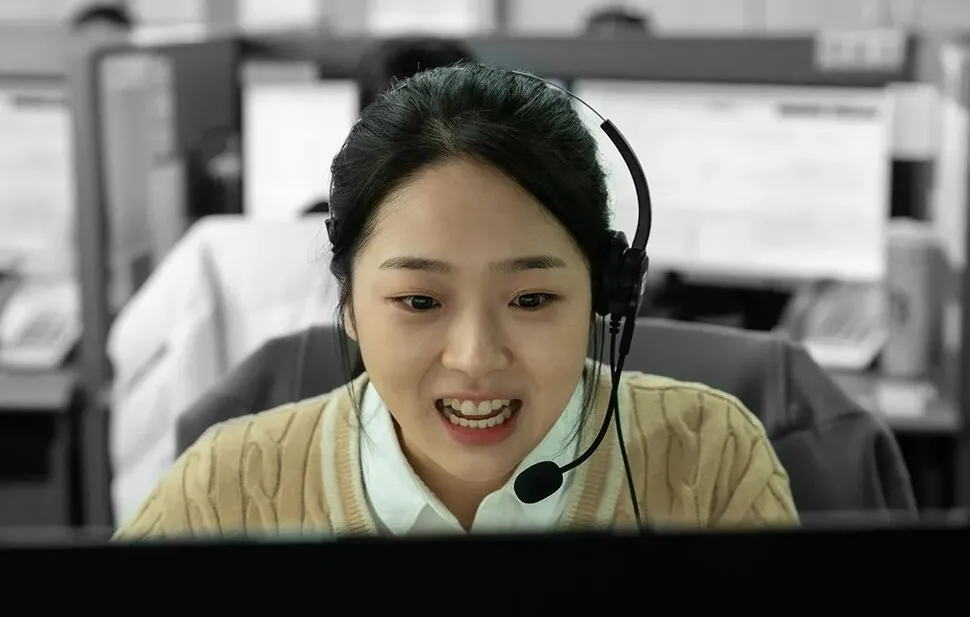
Young women in modern society are increasingly facing a compounded health crisis driven by the intersection of economic instability, chronic overwork, and systemic social inequality. Medical research and public health data indicate that this phenomenon—often described as the accumulation of “five stressors”—includes poverty, chronic illness, patriarchal social structures, age-based hierarchies, and gender discrimination. These factors do not act in isolation; rather, they function as a cumulative burden that disproportionately impacts the physical and mental well-being of young women, particularly those engaged in precarious labor.
As a physician, I have observed that when these structural barriers converge, the result is often premature physical decline, colloquially referred to in some cultures as “bone sickness” or chronic exhaustion. This is not merely a matter of individual lifestyle choices but a reflection of broader societal conditions that leave young women with little agency over their own health outcomes. Understanding this requires moving beyond the clinical symptoms to examine the socio-economic determinants of health that dictate how young women live, work, and recover.
The Intersection of Economic Precarity and Physical Health
The relationship between low income and poor health outcomes is well-documented by global health organizations. According to the World Health Organization, the social determinants of health—the conditions in which people are born, grow, live, work, and age—are primarily responsible for health inequities. For young women, the necessity of engaging in demanding manual labor or irregular shift work often leads to chronic sleep deprivation, which is a known catalyst for metabolic and cardiovascular dysfunction.
Economic instability forces individuals into a cycle where health maintenance becomes a luxury. When a person must prioritize immediate financial survival over restorative sleep or preventative medical care, the body eventually reaches a breaking point. This is particularly prevalent in sectors where labor protections are weak or where the informal economy dominates, leaving young workers without access to paid sick leave or adequate health insurance, as noted in reports by the International Labour Organization regarding the global state of decent work.
Patriarchy, Hierarchy, and Workplace Inequality
Beyond the physical toll of labor, the influence of patriarchal structures and rigid age-based hierarchies creates a “double burden” for young women. In many corporate and social environments, young women are expected to perform emotional and physical labor while navigating discriminatory practices that limit their professional advancement and bodily autonomy. Gender-based discrimination in the workplace has been shown to increase psychological stress, which in turn elevates cortisol levels and contributes to long-term health issues like hypertension and immune system suppression.
The OECD has consistently highlighted that gender inequality remains a significant barrier to health and economic prosperity. When women are subjected to age-based hierarchies—where their contributions are undervalued specifically because of their youth or gender—it reinforces a sense of powerlessness. This lack of control is a recognized stressor that exacerbates existing health conditions, making it increasingly difficult for young women to escape the cycle of illness and poverty.
Addressing the Cumulative Health Burden
Addressing this “five-fold” crisis requires a multifaceted approach that moves beyond the doctor’s office. Public health initiatives must integrate social support systems with clinical care to be truly effective. For example, policies that enforce living wages, protect workers from excessive overtime, and dismantle gender-based discrimination are as essential to public health as vaccinations or medical screenings. As highlighted by the UN Women organization, economic empowerment is a critical component of ensuring that women can lead healthy, sustainable lives.
Moving forward, the focus must shift from individual blame to systemic reform. The next milestone in this discourse involves the upcoming review of labor and health policies in major economies, scheduled for discussion at various international health summits later this year. These meetings will be critical for determining how governments can better protect young workers from the structural stressors that lead to premature physical decline. We must continue to monitor how these policy changes are implemented at the municipal and national levels to ensure they reach those most in need.
If you have thoughts on how your local community or workplace is addressing these systemic health challenges, please feel free to share your experiences or questions in the comments section below. Engaging in this dialogue is a vital step toward creating a more equitable, and ultimately healthier, future for all.
Worth a look