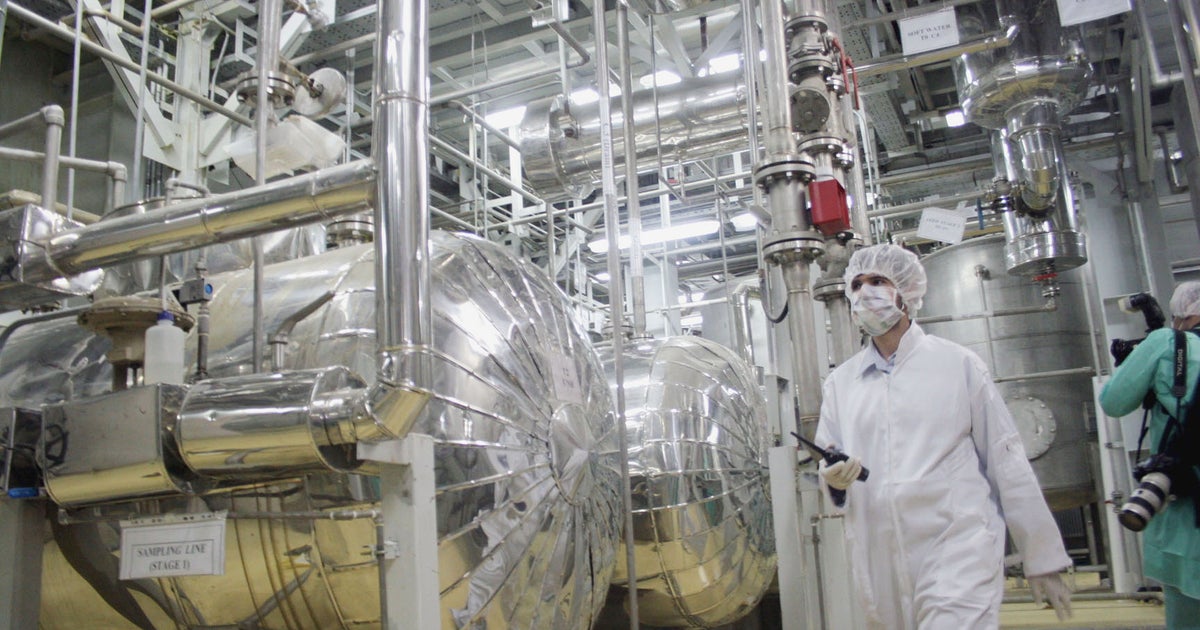
Iran and the United States are presenting starkly different accounts of nuclear inspections negotiations, with former President Donald Trump claiming Tehran has agreed to “complete” inspections while Iranian officials insist no new commitments have been made. The conflicting statements come amid heightened tensions over the International Atomic Energy Agency’s (IAEA) access to Iranian nuclear sites, raising questions about the prospects for reviving the 2015 nuclear deal and broader regional stability.
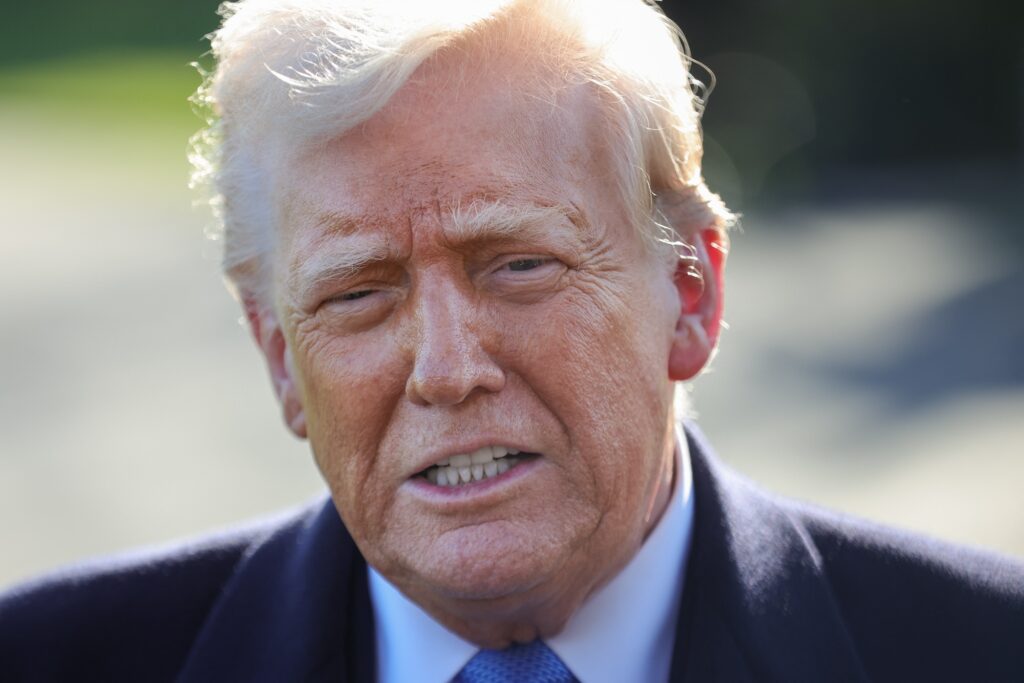
Trump, speaking at a campaign event in New Hampshire on Tuesday, stated that Iran had “completely agreed” to nuclear inspections as part of discussions for a “war-ending deal.” His remarks contrasted sharply with Iran’s Foreign Ministry spokesperson, Nasser Kanaani, who told state media that Tehran had made “no new commitments” regarding IAEA inspections. The U.S. State Department, through a spokesperson, declined to confirm Trump’s claims directly but acknowledged ongoing diplomatic efforts.
The dispute underscores the fragile state of nuclear diplomacy, with both sides accusing each other of misrepresenting progress. The IAEA, which monitors Iran’s compliance with the 2015 Joint Comprehensive Plan of Action (JCPOA), has been denied access to key sites since 2021, complicating efforts to verify Iran’s nuclear activities. Meanwhile, U.S. officials, including Secretary of State Antony Blinken, have repeatedly called for Iran’s cooperation with inspections as a prerequisite for any revival of the deal.
What Are the Key Claims—and How Do They Contradict?
Trump’s assertion that Iran has agreed to inspections stems from his involvement in private discussions with Iranian officials, a role he has emphasized in recent weeks. According to a report from CBS News, Trump suggested that his direct engagement with Iranian leaders had yielded tangible results. However, Iranian state media, including Tasnim News, quoted Kanaani as denying any such agreement.

Kanaani stated that Iran’s position on IAEA access remains unchanged: “We have not made any new commitments regarding the IAEA’s access to our nuclear facilities.” This aligns with Iran’s long-standing stance that inspections must be reciprocal and include sites in countries that have historically supported terrorism, a demand the U.S. has rejected. The IAEA, in a recent statement, reiterated its inability to verify key aspects of Iran’s nuclear program due to restricted access.
Adding to the confusion, U.S. National Security Advisor Jake Sullivan told reporters on Tuesday that while discussions were ongoing, “there is no agreement yet” on inspections. His remarks came after Iranian state media reported that Sullivan had suggested inspectors would be invited back to Iranian sites—a claim Sullivan did not confirm. The New York Times noted that the back-and-forth reflects a pattern of miscommunication that has plagued nuclear negotiations for years.
Why Does This Matter for the Future of the Iran Nuclear Deal?
The JCPOA, formally known as the Iran nuclear deal, was abandoned by the Trump administration in 2018, leading to a series of escalations, including U.S. sanctions and Iranian countermeasures such as enriching uranium beyond deal limits. Since then, both sides have accused the other of bad-faith negotiations, with inspections becoming a key sticking point. The IAEA’s inability to monitor Iran’s nuclear activities has raised alarms among Western powers, who fear Tehran could be developing a nuclear weapon.
Recent developments suggest a potential thaw in relations. In January, Iran and the U.S. held indirect talks in Vienna, mediated by the European Union, to discuss the possibility of reviving the JCPOA. While no breakthrough was announced, both sides agreed to continue negotiations. The latest claims from Trump and Iranian officials indicate that inspections remain a critical hurdle. Without verified access, the U.S. and its allies argue, there can be no credible assurance that Iran is complying with the deal’s restrictions.
Iran, however, frames inspections as a tool for coercion rather than verification. In a Reuters report, Iranian officials emphasized that any inspections must be part of a broader agreement that addresses U.S. sanctions and regional security concerns. The deadlock highlights the complex web of trust issues that must be resolved before a deal can be reached.
What Happens Next in Nuclear Diplomacy?
The next critical checkpoint will likely be the IAEA’s next report on Iran’s nuclear activities, expected in the coming weeks. The agency’s findings could influence whether the U.S. and its allies are willing to engage further with Tehran. Meanwhile, Trump’s involvement in the discussions has added a layer of uncertainty. His claims of progress contrast with the cautious language from U.S. officials, raising questions about whether his private diplomacy could either accelerate or derail negotiations.
Iran’s Foreign Ministry has not ruled out further talks but has made clear that its red lines remain in place. Kanaani reiterated that Iran expects the U.S. to lift sanctions and recognize Tehran’s regional role as a prerequisite for any concessions. The BBC reported that Iranian officials have also signaled that they are open to discussing confidence-building measures, such as limited inspections, but only as part of a comprehensive package.
For now, the focus remains on whether the IAEA can regain access to Iranian sites. Without it, any agreement on inspections—and by extension, the JCPOA—will remain out of reach. The next official update from the IAEA is anticipated in late March, according to agency officials.
Key Takeaways: What Readers Need to Know
- Contrasting Claims: Trump says Iran has agreed to inspections; Iranian officials deny any new commitments.
- IAEA Access: The agency has been denied entry to key Iranian nuclear sites since 2021, complicating verification efforts.
- Diplomatic Deadlock: Both sides accuse each other of misrepresenting progress, with inspections and sanctions relief as major sticking points.
- Next Steps: The IAEA’s next report and potential U.S.-Iran talks in March will be critical in determining whether negotiations can advance.
- Regional Implications: A failure to resolve the nuclear issue could further destabilize the Middle East, with risks of escalation between Iran and its adversaries, including Israel and Saudi Arabia.
Where to Find Official Updates
For the latest developments on Iran’s nuclear program and diplomatic efforts, readers can monitor the following sources:
- International Atomic Energy Agency (IAEA) – Official statements and inspection reports.
- U.S. State Department – Updates on U.S. policy and negotiations.
- Iranian Foreign Ministry – Official Iranian responses to diplomatic developments.
- United Nations – Statements from the Security Council and Secretary-General on nuclear non-proliferation.
The path forward in Iran nuclear diplomacy will depend on whether both sides can bridge their differences on inspections and sanctions. With the IAEA’s next report looming, the coming weeks will be decisive in determining whether the door to a revived nuclear deal remains open—or if the standoff deepens.
What do you think about the latest developments in U.S.-Iran nuclear talks? Share your thoughts in the comments below or join the discussion on our social media channels.
Related reading