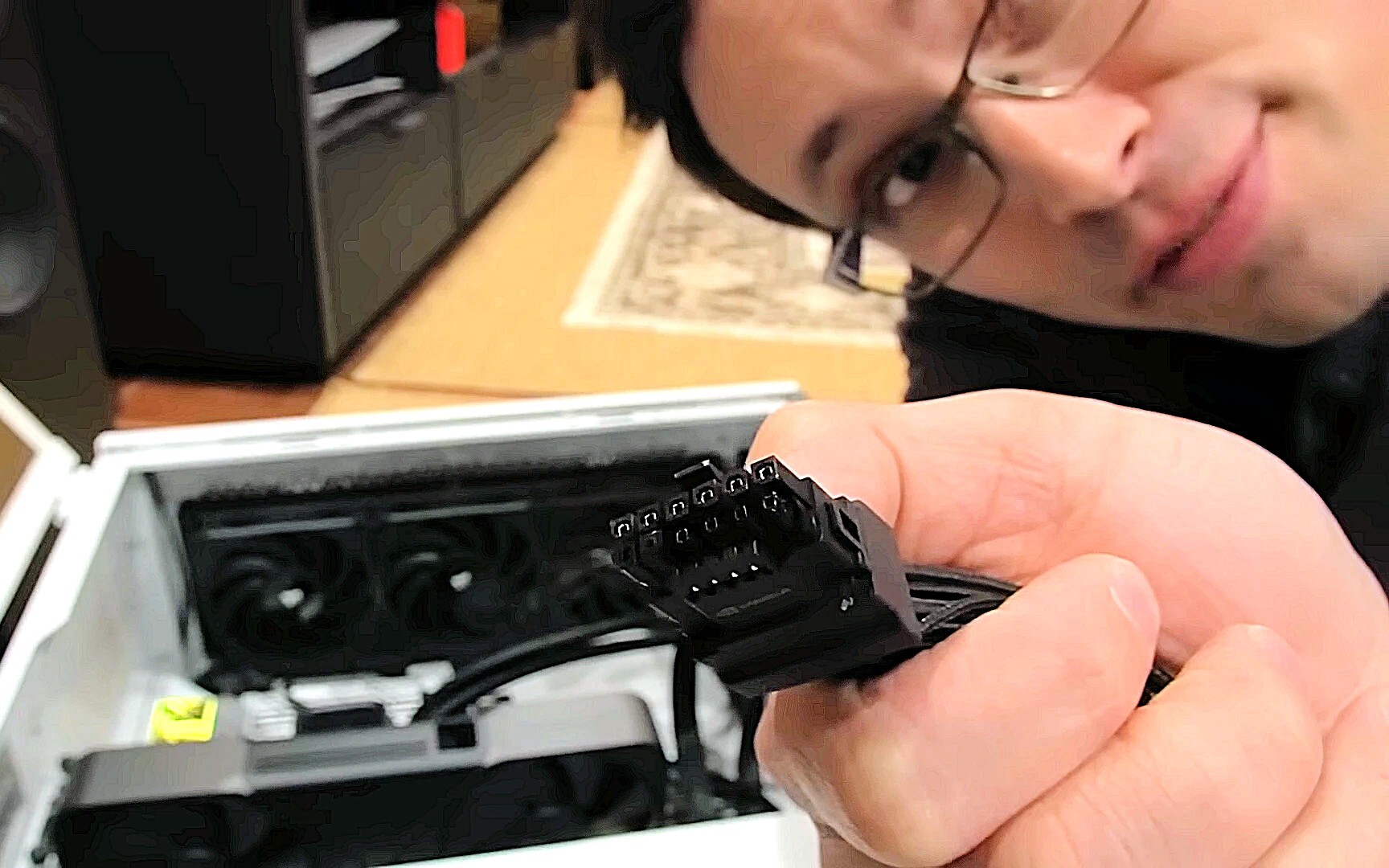
Reports of hardware failures involving the NVIDIA GeForce RTX 5090 graphics card, specifically concerning the 12V-2×6 power connector, have prompted increased scrutiny from hardware reviewers and the enthusiast community. Users and technical outlets have documented instances where the high-power interface exhibited signs of thermal damage, including melting at the connection point, raising questions regarding power delivery standards for next-generation hardware.
The 12V-2×6 connector is the successor to the 12VHPWR standard, designed to provide up to 600 watts of power to high-end GPUs. While the updated physical design includes longer sense pins to ensure a more secure connection, recent reports suggest that improper seating or cable tension may still pose risks to the hardware. According to technical analysis by NVIDIA, the integrity of the connection remains dependent on users ensuring the cable is fully inserted until a click is felt, as partial connections can lead to increased electrical resistance and subsequent heat buildup.
Understanding the 12V-2×6 Power Connector Standard
The 12V-2×6 connector is an evolution of the PCIe Base 6 specification, aimed at mitigating the thermal issues observed with the earlier 12VHPWR connector. The primary technical improvement involves the placement of the sense pins, which are recessed deeper into the connector housing. This physical change ensures that if the connector is not fully seated, the GPU will not draw full power, theoretically preventing the “arcing” and melting incidents that affected some earlier RTX 40-series cards.
Despite these engineering safeguards, reports have surfaced indicating that the connector remains sensitive to mechanical stress. When a cable is bent too sharply near the connector or is not perfectly aligned during installation, the contact points may not achieve optimal surface area. As noted in industry documentation from the PCI-SIG, which governs the specification, the standard requires specific clearance and bending radii to maintain safe operating temperatures under sustained high-load conditions.
Reported Incidents and Hardware Damage
Recent documentation from hardware reviewers suggests that even with the updated connector, failures can occur during intensive testing scenarios. These reports often describe the plastic housing of the connector showing signs of deformation or melting. In some instances, this thermal event has extended to the PCB (Printed Circuit Board) of the graphics card itself, potentially causing permanent damage to the power delivery circuitry.

The complexity of these failures often makes it difficult to determine the root cause, as factors such as third-party cable quality, power supply unit (PSU) compatibility, and user installation habits all play a role. Retailers and manufacturers generally assess these cases on an individual basis under standard warranty terms. Users who encounter such issues are typically advised to contact the manufacturer’s support department directly, as unauthorized repair attempts or physical damage caused by improper installation may void the limited hardware warranty provided by companies like ASUS.
Preventative Measures for GPU Safety
To minimize the risk of thermal damage to high-performance GPUs, industry experts emphasize the importance of proper cable management. A common recommendation is to avoid bending the power cable within 35mm of the connector housing. Excessive pressure on the connector can shift the internal pins, leading to the high-resistance connections that cause heat generation.
Furthermore, users should ensure they are using cables provided by their PSU manufacturer or high-quality, certified extensions that meet the ATX 3.1 power supply standards. Regularly inspecting the connector for any signs of discoloration or loose fit before powering on the system can help identify potential issues before they escalate into hardware failure. If a user notices a loose connection, it is recommended to power down the system immediately and verify the seating of the cable.
Status of Industry Response
As of late 2024, there has been no widespread recall or official statement from NVIDIA indicating a systemic flaw in the RTX 5090’s design. The incidents reported appear to be isolated cases, consistent with the typical failure rates seen in high-end consumer electronics. The company continues to monitor user feedback through its official support channels and community forums.

The next checkpoint for this issue will likely be the release of updated technical white papers or, if necessary, an advisory from the PCI-SIG regarding refined installation guidelines. Consumers are encouraged to monitor the official NVIDIA Support portal for any updates regarding hardware maintenance or safety advisories. Readers are invited to share their experiences with power delivery in the comments section below to contribute to the ongoing discussion on hardware stability.