
In the field of neurodegenerative research, recent reports have highlighted a case involving a patient with advanced Alzheimer’s disease who exhibited a return of speech and cognitive function following an experimental intervention. While sensationalized media reports have occasionally linked these outcomes to substances like psilocybin—often referred to as “magic mushrooms”—it is critical to distinguish between clinical reality and speculative narratives. As an internal medicine physician, I have closely monitored the progression of neuropharmacology, and it is essential to clarify what the current scientific literature actually indicates regarding these developments.
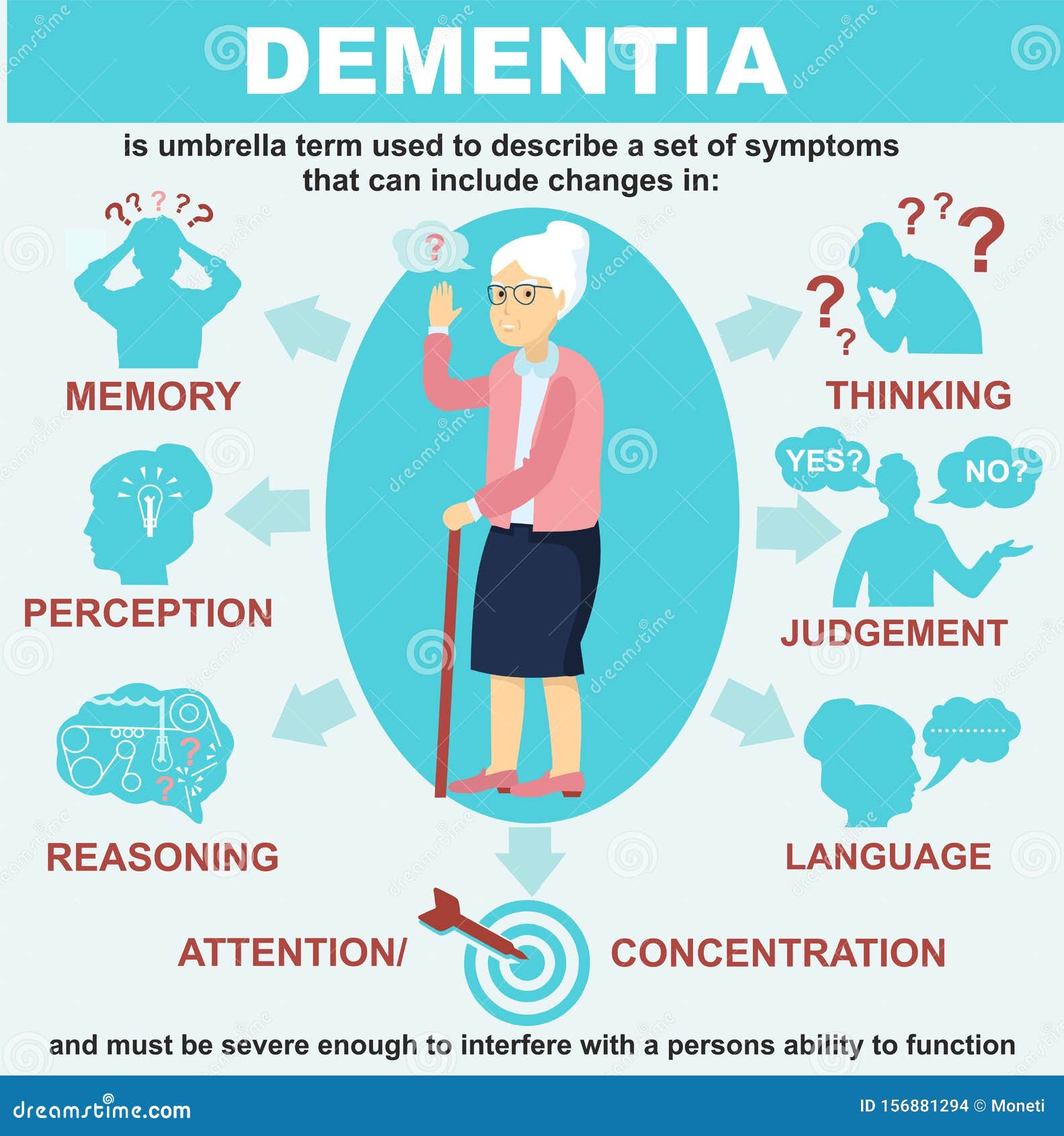
The core of this discussion centers on the urgent search for effective Alzheimer’s treatments. According to the Alzheimer’s Association, this progressive disease remains the most common cause of dementia, characterized by the accumulation of amyloid-beta plaques and tau tangles in the brain. When patients experience sudden improvements in cognitive clarity—a phenomenon sometimes described in clinical settings as “terminal lucidity” or transient recovery—it rarely signals a cure. Instead, it prompts researchers to investigate the underlying mechanisms of neuroplasticity and the potential for pharmacological modulation of existing pathways.
The Science of Neuroplasticity and Cognitive Recovery
The concept that specific compounds might “reverse” Alzheimer’s symptoms is a subject of intense scrutiny. Currently, there is no verified clinical trial confirming that psilocybin or similar substances can reverse the structural damage caused by Alzheimer’s disease. Scientific discourse, such as that published by the National Institutes of Health (NIH), focuses on the potential of psychedelics to influence neuroplasticity and inflammation rather than providing a restorative “reset” for lost memories. The anecdotal cases often cited in the media lack the longitudinal data and peer-reviewed rigor required to establish a causal link between a specific intervention and the reversal of a terminal diagnosis.
In medicine, we must differentiate between symptomatic management and disease modification. While current FDA-approved therapies like lecanemab aim to slow cognitive decline by targeting amyloid plaques, they do not restore lost linguistic or memory faculties in the way that some recent headlines have suggested. The U.S. Food and Drug Administration (FDA) maintains a strict framework for evaluating these treatments, requiring double-blind, placebo-controlled trials to ensure patient safety and efficacy.
Understanding the Limitations of Current Research
When reports emerge about patients who have not spoken for years suddenly regaining speech, the medical community looks for physiological explanations. In many cases, these instances are not the result of a “magic” chemical reaction but rather fluctuations in the patient’s neurological state or the influence of environmental stimuli. According to the National Institute on Aging (NIA), the unpredictability of dementia symptoms means that a temporary improvement should not be misconstrued as a breakthrough in treating the underlying pathology.
Furthermore, the ethical implications of promoting unverified treatments are significant. Patients and their families, often in desperate search for relief, are particularly vulnerable to claims that promise a reversal of Alzheimer’s. As medical professionals, our duty is to provide evidence-based guidance. The current standard of care emphasizes early diagnosis, supportive care, and participation in legitimate clinical trials. Relying on unverified sources for medical decisions can delay access to proven care and expose patients to unknown risks.
How to Evaluate Medical Breakthrough Claims
For patients and caregivers navigating the complex world of Alzheimer’s research, it is vital to approach headlines with a critical lens. If a report claims a “cure” or a “reversal” of a terminal disease, check for the following:
- Peer-Reviewed Publication: Is the research published in a reputable journal like The Lancet or The New England Journal of Medicine?
- Clinical Trial Status: Is the treatment currently in a Phase 2 or Phase 3 trial? You can verify this on ClinicalTrials.gov.
- Institutional Affiliation: Are the researchers affiliated with recognized medical universities or research hospitals?
- Regulatory Approval: Has the medication or therapy been reviewed by the European Medicines Agency (EMA) or the FDA?
The pursuit of a cure for Alzheimer’s is one of the most active and important areas of medical science today. While we have yet to find a way to fully reverse the damage once it has occurred, the ongoing research into neuro-inflammation and protein misfolding is paving the way for better symptom management and, hopefully, future prevention. For those interested in tracking legitimate progress, the World Health Organization (WHO) provides global guidelines on risk reduction and dementia care that remain the gold standard for public health policy.
As we look toward the next update from the major Alzheimer’s research consortiums, scheduled for late 2024, I encourage our readers to stay informed through official channels. The path to a breakthrough is rarely linear, but it is built on the foundation of rigorous, transparent, and reproducible science. If you have questions about how a specific clinical trial might impact your family, consult with a neurologist who specializes in memory disorders rather than relying on social media trends. I invite you to share your thoughts or questions in the comments below, and I will do my best to address them in our next health briefing.
Worth a look